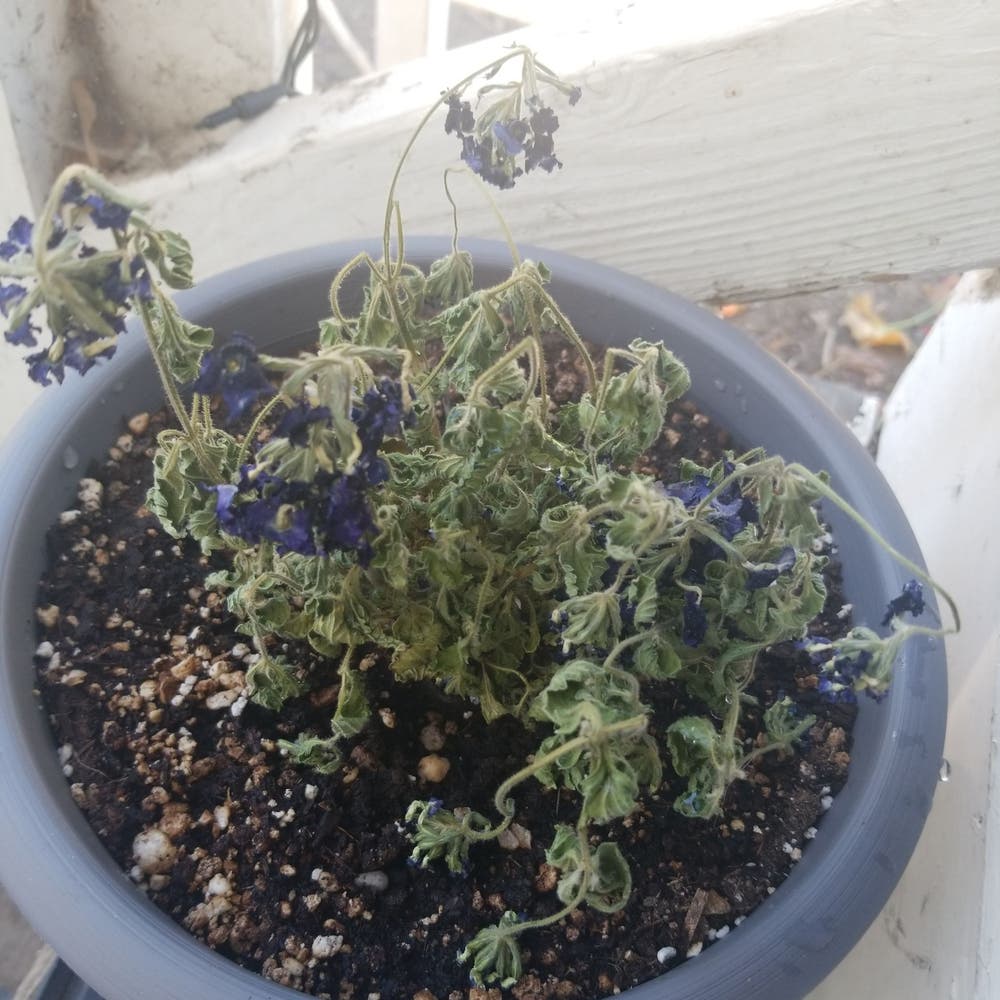
How to Cure Curling Leaves on Your Homestead Purple Verbena 🐞
Verbena 'Homestead Purple'
By the Greg Editorial Team
Aug 27, 2024•7 min read
This article was created with the help of AI so we can cover more plants for you. May contain errors. See one? Report it here.
Revive your Homestead Purple Verbena from curling leaves 🌿 and unlock its full blooming potential with these essential tips!
- 🌱 Curling leaves result from pests, stress, or nutrient deficiencies. Identify the cause!
- 💧 Overwatering and underwatering both lead to leaf curl. Maintain a consistent watering schedule.
- 🌞 Optimal sunlight (6-8 hours) is essential for healthy Homestead Purple Verbena growth.
Causes of Curling Leaves
🌪️ Environmental Stress Factors
Curling leaves on your Homestead Purple Verbena can often be traced back to environmental stress. Temperature extremes, whether high heat or unexpected cold snaps, can shock the plant and lead to curling.
Low humidity levels also contribute to stress, making it harder for the plant to thrive. Additionally, strong winds can cause physical damage, further exacerbating the issue.
🐜 Pest Infestations
Common Pests
Pests are another major culprit behind curling leaves. Aphids are notorious for leaving a sticky residue and distorting leaves as they feed on the plant's sap.
Spider mites can also wreak havoc, leaving fine webbing and stippled leaves in their wake. Both pests weaken the plant, resulting in noticeable leaf curl.
🍄 Fungal Infections
Common Fungal Diseases
Fungal infections can significantly impact your Verbena's health. Powdery mildew is a common issue, characterized by white powdery spots on leaves.
This fungal disease reduces photosynthesis, ultimately leading to leaf curl and a decline in plant vigor.
🥦 Nutrient Deficiencies
Key Nutrients
Nutrient deficiencies can also cause curling leaves. Nitrogen deficiency often presents as yellowing leaves and stunted growth, which are signs that the plant is lacking this essential nutrient for leaf development.
Potassium is another critical nutrient; its deficiency can lead to marginal leaf burn and curling, affecting the plant's overall health and stress resistance.
💧 Watering Issues
Overwatering vs. Underwatering
Watering practices play a crucial role in leaf health. Overwatering can lead to symptoms like wilting, yellowing leaves, and even root rot, which ultimately causes leaf curl due to poor drainage.
On the other hand, underwatering results in dry, crispy leaves, indicating insufficient moisture. This stress can also lead to curling, making proper watering essential for plant health.
Understanding these causes is the first step toward remedying the curling leaves on your Homestead Purple Verbena. Next, we’ll explore how to diagnose these issues effectively.
Diagnosing Curling Leaves
Identifying Symptoms of Leaf Curl 🌿
Curling leaves can be a distress signal from your Homestead Purple Verbena. Look for visual signs like curling edges, discoloration, and wilting to identify the issue early.
Timing is also crucial. Observe these changes during different growth stages to pinpoint when the problem arises.
Differentiating Between Pest Damage and Environmental Stress 🐛
To determine the cause of leaf curl, start by checking for pests. Look for visible insects or webbing that indicate a pest infestation.
If no pests are found, assess recent weather changes or care practices. Environmental stress can often mimic pest damage, so a careful evaluation is essential.
Assessing Soil Conditions and Moisture Levels 💧
Soil conditions play a significant role in plant health. Check the soil texture for compaction or poor drainage, which can lead to curling leaves.
Moisture levels are equally important. Use a moisture meter or perform a finger test to determine if the soil is too dry or overly saturated. This will guide your watering practices effectively.
Understanding these diagnostic steps will empower you to take action and restore your Verbena's health. Next, let’s explore treatment options to address the issues you've identified.
Treatment Options
🌱 Organic Pest Control Methods
Organic pest control is a vital step in maintaining the health of your Homestead Purple Verbena.
Insecticidal Soap
Insecticidal soap is effective against soft-bodied pests like aphids. Apply it directly to affected areas every 7-10 days until the problem resolves.
Neem Oil
Neem oil acts as a natural pesticide and fungicide. Mix it with water and spray on the leaves, focusing on the undersides, every two weeks for best results.
Beneficial Insects
Introducing beneficial insects like ladybugs or lacewings can help control pest populations naturally. They feed on aphids and other harmful pests, providing a sustainable solution.
🍄 Fungal Treatment Options
Fungal infections can also lead to curling leaves, so addressing them promptly is crucial.
Fungicides
Choose fungicides that target specific fungal diseases affecting your plants. Follow the manufacturer's instructions for application frequency and method to ensure effectiveness.
Cultural Practices
Improving air circulation around your plants can significantly reduce humidity levels. Trim back dense foliage and space plants appropriately to promote airflow.
💧 Adjusting Watering Practices
Proper watering is essential for healthy plants and can prevent leaf curl.
Watering Schedule
Water your Homestead Purple Verbena deeply but infrequently. Aim for early morning watering to reduce evaporation and fungal growth.
Signs of Proper Watering
Check soil moisture by inserting your finger about an inch deep. If it feels dry, it’s time to water; if it’s still moist, hold off.
🌿 Fertilization Techniques
Fertilizing your plants correctly can boost their resilience against stressors.
Types of Fertilizers
Use balanced NPK fertilizers to provide essential nutrients. Look for options with equal parts nitrogen, phosphorus, and potassium for optimal growth.
Application Methods
Apply fertilizers during the growing season, ideally every 4-6 weeks. Follow package instructions for the right amounts to avoid over-fertilization.
By implementing these treatment options, you can effectively address the curling leaves on your Homestead Purple Verbena. Next, let’s explore preventive measures to keep your plants thriving year-round.
Preventive Measures
🌊 Best Practices for Watering
Watering your Homestead Purple Verbena requires a keen understanding of weather and soil conditions. Aim for a consistent schedule, adjusting frequency based on rainfall and temperature.
Deep watering is essential for healthy root development. This technique encourages roots to grow deeper, making your plants more resilient to stress.
☀️ Optimal Sunlight Exposure and Placement
Homestead Purple Verbena thrives in full sun, needing 6-8 hours of direct sunlight daily. Ensure your plants are placed in areas that receive ample light throughout the day.
Avoid shaded spots to prevent stunted growth. Good air circulation is also crucial to keep your plants healthy and free from diseases.
🕵️♂️ Regular Monitoring for Pests and Diseases
Conduct weekly inspections to catch any issues early. Look for changes in leaf color, texture, and growth patterns that may indicate pest infestations or diseases.
Being proactive can save your plants from significant damage. Early detection is key to maintaining a thriving garden.
🌱 Soil Health and Amendments
Regular soil testing is vital to understand pH and nutrient levels. This knowledge helps you make informed decisions about necessary amendments.
Adding compost or organic matter can significantly improve soil structure. Healthy soil leads to healthier plants, making it a foundational aspect of your gardening efforts.
By implementing these preventive measures, you can create a thriving environment for your Homestead Purple Verbena. This proactive approach not only enhances plant health but also minimizes the risk of curling leaves, setting the stage for vibrant blooms.
Seasonal Considerations
🌱 Seasonal Changes Affecting Leaf Curl
As the seasons shift, your Homestead Purple Verbena faces unique challenges. In spring, the plant experiences a growth spurt, making it more susceptible to pest outbreaks.
During summer, heat stress becomes a significant concern. Ensure you adjust your watering practices to meet the increased demands of the plant.
In fall, it's time to prepare for dormancy. This season can also bring about fungal issues, so keep an eye on moisture levels and airflow.
❄️ Preparing for Winter and Protecting Plants
Winter protection is crucial for the health of your Verbena. Mulching is a fantastic way to shield roots from freezing temperatures while retaining moisture.
Additionally, consider covering your plants with frost cloths or other protective materials. This simple step can make a big difference in their survival through harsh winter conditions.
🌼 Spring Care Tips to Prevent Leaf Curl
Spring is the perfect time to set your Verbena up for success. Start with early fertilization; choose balanced fertilizers to give your plants the nutrients they need as they wake from dormancy.
Don’t forget about pruning! Removing dead or damaged growth encourages new, healthy shoots, helping to prevent leaf curl as the season progresses.
With these seasonal strategies, you can keep your Homestead Purple Verbena thriving all year round. Next, let’s explore preventive measures to ensure your plants stay healthy and vibrant.
⚠️ Safety First
This content is for general information and may contain errors, omissions, or outdated details. It is not medical, veterinary advice, or an endorsement of therapeutic claims.
Always consult a qualified healthcare professional before using any plant as food, medicine, or supplement.
Never eat any plant (or feed one to pets) without confirming its identity with at least two trusted sources.
If you suspect poisoning, call Poison Control (800) 222-1222, the Pet Poison Helpline (800) 213-6680, or your local emergency service immediately.
Spotted an error? Please report it here.
Transform curling leaves into vibrant growth 🌿 by using Greg's tailored watering schedules and pest alerts to keep your Homestead Purple Verbena thriving!