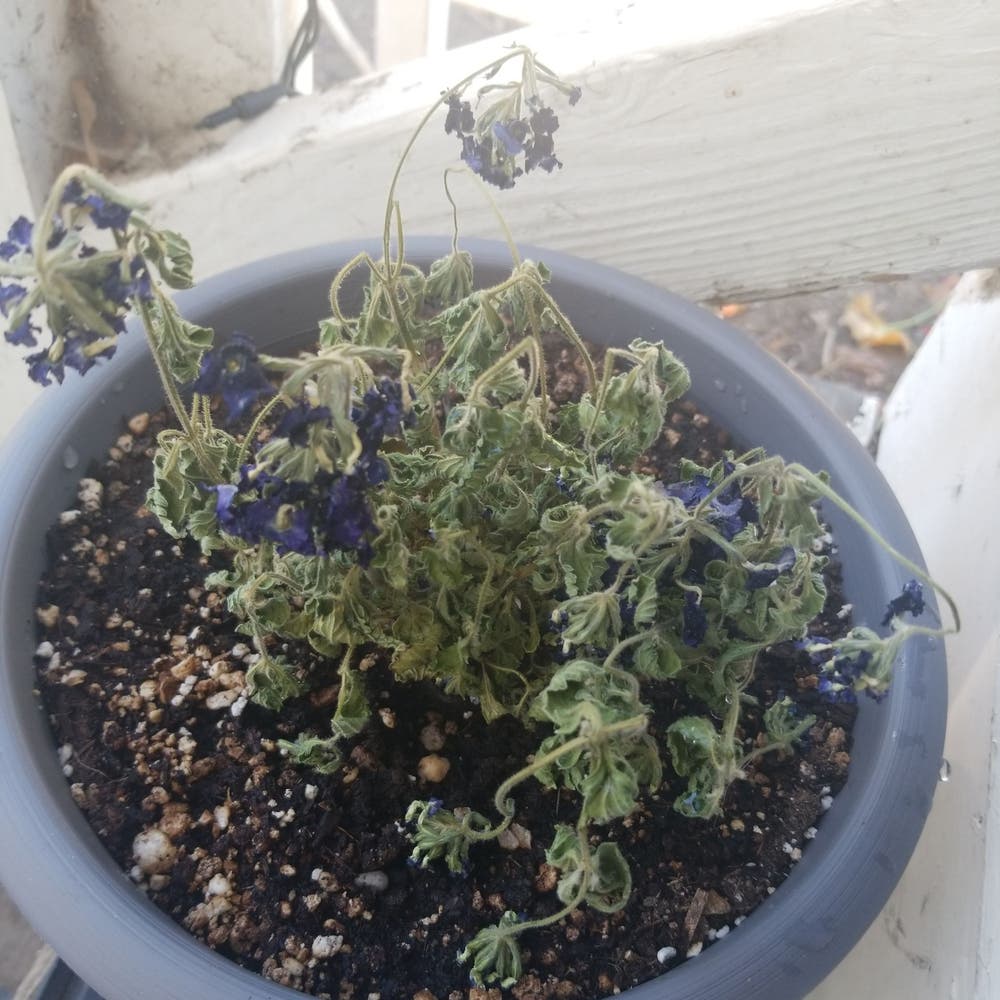
How to Cure Black Spots on Your Homestead Purple Verbena 🩹
Verbena 'Homestead Purple'
By the Greg Editorial Team
Aug 27, 2024•5 min read
This article was created with the help of AI so we can cover more plants for you. May contain errors. See one? Report it here.
Revive your Homestead Purple Verbena 🌱 by quickly diagnosing and treating pesky black spots for vibrant growth!
- 🌱 Identify causes of black spots, like fungi or pests, for effective treatment.
- 🧴 Use neem oil or baking soda to combat fungal infections on your Verbena.
- 🌬️ Ensure good air circulation and proper watering to prevent black spots.
Diagnosing the Problem
🦠 Differentiating Between Fungal and Pest-Related Issues
Identifying the root cause of black spots on your Homestead Purple Verbena is crucial. Start by looking for signs of fungal infections, such as powdery mildew or webbing on leaves.
Additionally, pay attention to changes in leaf texture. If you notice wilting or curling, it could indicate a fungal issue.
On the other hand, pest infestations can also lead to similar symptoms. Look for visible pests like aphids or spider mites on the leaves.
Another telltale sign of pests is honeydew secretion. This sticky residue often indicates the presence of aphids, which can wreak havoc on your plants.
🔍 Importance of Leaf Inspection and Plant Health Assessment
Regular leaf inspections are essential for maintaining plant health. Aim to check your Verbena weekly during the growing season to catch any issues early.
Focus your attention on the undersides of leaves and stem junctions, as these areas are often overlooked.
Assessing overall plant health is equally important. Indicators of stress include wilting, discoloration, and stunted growth, all of which signal that your plant needs immediate attention.
By being proactive in your inspections, you can ensure your Homestead Purple Verbena thrives and remains free from black spots.
Next, let’s explore effective treatment options to tackle these issues head-on.
Treatment Options
🌱 Organic Fungicides and Their Application
When it comes to treating black spots on your Homestead Purple Verbena, organic fungicides are a great choice. Two popular options are neem oil and sulfur-based fungicides.
Neem Oil
Neem oil is a natural pesticide that disrupts the life cycle of fungal pathogens. To apply, mix it with water according to the product instructions and spray it directly onto the affected areas every 7-14 days for best results.
Sulfur-Based Fungicides
Sulfur-based fungicides are effective against a variety of fungal infections. Apply them according to the label directions, ensuring even coverage on the leaves to maximize their effectiveness.
Timing of Application
Timing is crucial for successful treatment. The best times to apply these fungicides are early morning or late afternoon, as this helps prevent leaf burn from the sun.
🏡 Homemade Remedies
If you prefer a DIY approach, several homemade remedies can also combat fungal issues effectively.
Baking Soda Solution
A simple baking soda solution can work wonders. Mix 1 tablespoon of baking soda, 1 teaspoon of liquid soap, and 1 gallon of water. Spray this mixture on the affected leaves every 7-14 days to help control fungal growth.
Other Effective Remedies
Another effective remedy is milk spray. This solution works by creating an environment that inhibits fungal growth, making it a great addition to your treatment arsenal.
✂️ Pruning Affected Leaves and Proper Disposal
Pruning is an essential step in managing black spots on your plants. It not only removes infected leaves but also promotes overall plant health.
Pruning Techniques
To prune effectively, use clean, sharp pruning shears. Cut the affected leaves at the base, being careful not to damage the healthy tissue surrounding them.
Disposal Methods
Proper disposal of infected plant material is crucial to prevent the spread of disease. You can either compost the material if it’s not heavily infected or trash it to ensure it doesn’t reintroduce pathogens into your garden.
By implementing these treatment options, you can effectively manage black spots on your Homestead Purple Verbena. Next, let’s explore preventive measures to keep your plants healthy and thriving.
Preventive Measures
Best Practices for Watering and Humidity Control 🌧️
Watering your Homestead Purple Verbena correctly is crucial for preventing black spots. Aim for deep watering once a week rather than shallow daily watering to encourage strong root development.
Watering in the morning is ideal, as it reduces humidity levels and allows leaves to dry out quickly. This simple timing can help prevent fungal infections that thrive in damp conditions.
Managing humidity is equally important. The ideal humidity level for your plants is between 40-60%, which promotes healthy growth without inviting disease.
Using mulch can help retain soil moisture without over-saturating the roots. It not only conserves water but also regulates soil temperature, creating a more stable environment for your plants.
Importance of Air Circulation Around Plants 🌬️
Good air circulation is essential for preventing fungal growth and ensuring plant health. Space your Homestead Purple Verbena 12-18 inches apart to allow for adequate airflow.
Proper spacing reduces humidity around the plants, making it harder for fungal spores to settle. This simple adjustment can significantly enhance your plants' resilience.
Pruning is another effective way to improve air circulation. Thinning out dense foliage allows air to flow freely, reducing the risk of disease and promoting overall plant vigor.
Soil Health and Nutrient Management 🌱
Healthy soil is the foundation of thriving plants. Conduct soil testing to check pH and nutrient levels; the ideal pH for Homestead Purple Verbena is between 6.0 and 7.0.
Amend your soil with compost and organic fertilizers to boost nutrient content. These amendments not only enrich the soil but also improve its structure, promoting better drainage and root growth.
Establish a fertilization schedule, applying nutrients in early spring and mid-summer. Use balanced NPK fertilizers to ensure your plants receive the essential nutrients they need for optimal growth.
By focusing on these preventive measures, you can create a thriving environment for your Homestead Purple Verbena, reducing the likelihood of black spots and other issues. Next, we’ll explore effective treatment options if problems do arise.
⚠️ Safety First
This content is for general information and may contain errors, omissions, or outdated details. It is not medical, veterinary advice, or an endorsement of therapeutic claims.
Always consult a qualified healthcare professional before using any plant as food, medicine, or supplement.
Never eat any plant (or feed one to pets) without confirming its identity with at least two trusted sources.
If you suspect poisoning, call Poison Control (800) 222-1222, the Pet Poison Helpline (800) 213-6680, or your local emergency service immediately.
Spotted an error? Please report it here.
Keep your Homestead Purple Verbena thriving 🌿 by using Greg's tailored care reminders and treatment tips to tackle black spots before they spread!