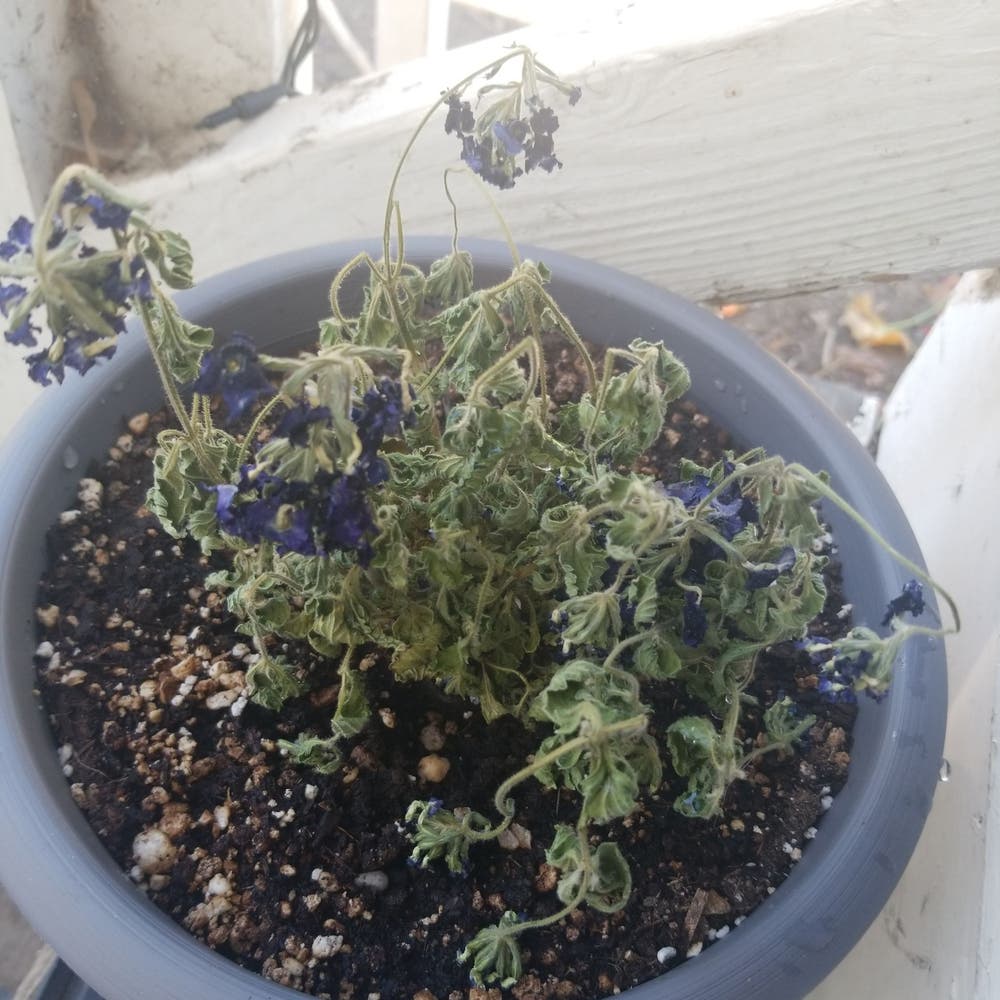
Best Climate for Homestead Purple Verbena: Zones 7a-11b ☀️
Verbena 'Homestead Purple'
By the Greg Editorial Team
Aug 27, 2024•5 min read
This article was created with the help of AI so we can cover more plants for you. May contain errors. See one? Report it here.
Master the ideal conditions for Homestead Purple Verbena 🌱 to ensure vibrant blooms and thriving growth in your garden!
- 🌞 Homestead Purple Verbena thrives in zones 7a-11b, ideal for warm climates.
- ❄️ Light frost tolerance exists, but avoid prolonged freezing for plant health.
- 🌱 Full sun and well-drained soil are essential for vibrant blooms and growth.
Temperature Tolerance
Cold Tolerance Specifics ❄️
Homestead Purple Verbena can tolerate light frost, with a temperature range down to 28°F (-2°C). However, prolonged freezing temperatures can severely impact its health, leading to stunted growth or even death.
Heat Tolerance Specifics ☀️
This resilient plant thrives in an ideal temperature range of 70°F to 90°F (21°C to 32°C). It can withstand high temperatures and drought conditions, making it a great choice for warmer climates.
Ideal Temperature Ranges for Growth 🌱
For optimal growth, maintaining stable temperatures is crucial. Fluctuations can affect flowering and overall plant health, so consistency is key to a thriving Homestead Purple Verbena.
Understanding these temperature tolerances will help you create the best environment for your plants, ensuring they flourish in your garden. Next, let’s explore the ideal growing regions for this vibrant flower.
Ideal Growing Regions
🌍 Examples of US States in Suitable Zones
If you're looking to cultivate Homestead Purple Verbena, you're in luck! States like Texas, Florida, California, Louisiana, and parts of North Carolina fall within the ideal zones 7a-11b.
In Texas, the southern regions, particularly around San Antonio and Houston, provide a warm climate perfect for this vibrant plant. Florida's coastal areas also offer the right conditions, while California's Central Valley is another hotspot for successful growth. Louisiana's humid climate supports robust growth, and North Carolina's coastal plains can be ideal as well.
🌱 Factors Contributing to Ideal Growing Conditions
To thrive, Homestead Purple Verbena needs well-drained, fertile soil. This ensures that the roots can access nutrients without sitting in water, which can lead to rot.
Sunlight is equally crucial. Aim for full sun exposure, ideally 6-8 hours daily, to encourage lush blooms and healthy foliage. Without enough sunlight, the plant may struggle to reach its full potential, so choose your planting spot wisely!
Understanding these factors can make all the difference in your gardening success. With the right conditions, your Homestead Purple Verbena will flourish, adding vibrant color to your landscape.
As we explore further, let’s dive into how microclimates can impact your growing experience.
Microclimates and Their Impact
🌦️ Definition and Formation of Microclimates
Microclimates are localized areas where the climate differs from the surrounding region. They can form due to various factors, including elevation changes, proximity to water bodies, and urban structures.
For instance, a garden located near a pond may experience slightly warmer temperatures due to the water's heat retention. Similarly, areas shaded by trees can create cooler spots, affecting plant growth and health.
🌱 Extending Growing Zones with Microclimates
Microclimates can significantly extend the growing zones for plants like Homestead Purple Verbena. By providing a more favorable environment, these localized conditions allow for successful cultivation even outside typical hardiness zones.
The benefits of microclimates include enhanced flowering and overall plant health. They can create a more stable environment, protecting plants from extreme weather fluctuations and promoting robust growth.
Understanding and utilizing microclimates can be a game-changer for gardeners looking to maximize their Verbena yield. By recognizing these unique conditions, you can cultivate a thriving garden that flourishes in unexpected places.
As we explore the state-level suitability for Homestead Purple Verbena, keep in mind how local microclimates can influence your gardening success.
State-Level Suitability Analysis
🌱 List of States Within Zones 7a-11b
Homestead Purple Verbena thrives in a variety of states within USDA hardiness zones 7a to 11b. Here’s a quick rundown of some of the best states for growing this vibrant plant:
Texas: With its warm climate and long growing season, Texas offers ideal conditions for Homestead Purple Verbena. The southern regions, in particular, provide ample sunlight and warmth.
Florida: Known for its subtropical climate, Florida is a haven for this plant. The consistent warmth and humidity create a perfect environment for thriving growth.
California: The diverse climates in California, especially in the southern parts, are excellent for Homestead Purple Verbena. The combination of sunshine and well-drained soil makes it a top choice.
Louisiana: With its warm, humid climate, Louisiana supports robust growth. The long growing season allows for continuous blooming.
North Carolina: Parts of North Carolina, particularly the southern regions, fall within the ideal zones. The mild winters and warm summers create a favorable environment.
🚫 States Not Suitable and Reasons Why
Not every state can support the growth of Homestead Purple Verbena. Here are some states that fall outside the suitable zones:
North Dakota: The extreme cold and harsh winters make it nearly impossible for this plant to survive.
Montana: Similar to North Dakota, Montana experiences long, cold winters that hinder growth.
Maine: The short growing season and cold temperatures pose significant challenges for cultivating Homestead Purple Verbena.
These states face climate challenges such as extreme cold and limited sunlight, which are detrimental to the plant's health and blooming potential.
🌦️ Local Climate Variations
Even within suitable states, local climate variations can significantly impact growth potential. Factors like elevation, proximity to water, and urban heat islands can create microclimates that either enhance or hinder plant health.
Understanding these local variations is crucial. Knowledge of your specific area can help you assess whether Homestead Purple Verbena will thrive in your garden.
By considering these factors, you can maximize your chances of success with this beautiful plant. As you plan your garden, keep in mind the unique characteristics of your local climate to ensure a flourishing display of color.
⚠️ Safety First
This content is for general information and may contain errors, omissions, or outdated details. It is not medical, veterinary advice, or an endorsement of therapeutic claims.
Always consult a qualified healthcare professional before using any plant as food, medicine, or supplement.
Never eat any plant (or feed one to pets) without confirming its identity with at least two trusted sources.
If you suspect poisoning, call Poison Control (800) 222-1222, the Pet Poison Helpline (800) 213-6680, or your local emergency service immediately.
Spotted an error? Please report it here.
Grow vibrant Homestead Purple Verbena 🌸 by using Greg's tailored care tips and reminders to master your local climate and ensure your plants flourish!