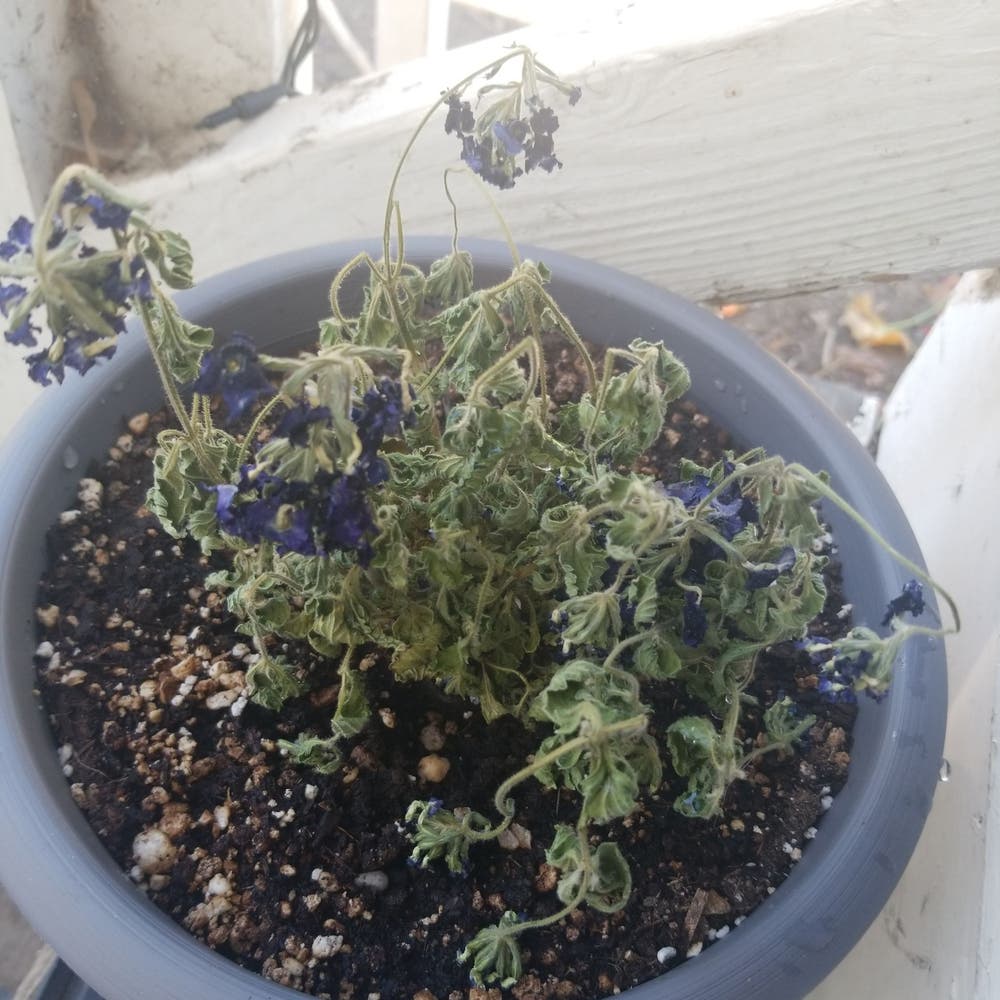
🌸 Homestead Purple Verbena Width: What to Expect
Verbena 'Homestead Purple'
By the Greg Editorial Team
Aug 27, 2024•5 min read
This article was created with the help of AI so we can cover more plants for you. May contain errors. See one? Report it here.
Master the art of growing vibrant Homestead Purple Verbena 🌱 with essential tips for size and care!
- 🌱 Homestead Purple Verbena grows 24-36 inches tall and 18-24 inches wide under optimal conditions.
- ☀️ Full sun and well-draining soil are crucial for maximizing growth and size.
- ✂️ Regular pruning and deadheading promote bushier growth and control plant dimensions.
Mature Height and Spread
Typical Dimensions 🌱
Homestead Purple Verbena typically reaches a mature height of 24 to 36 inches (60 to 90 cm). Its spread usually ranges from 18 to 24 inches (45 to 60 cm), making it a robust addition to any garden.
Factors Influencing Size 📏
Several factors can influence the size of your Verbena. Environmental conditions, such as sunlight, soil quality, and moisture levels, play a crucial role in determining overall dimensions.
Planting density is another key factor. When plants are spaced closely together, competition for resources can stunt their growth, resulting in smaller plants.
Understanding these elements can help you cultivate a thriving garden filled with vibrant Homestead Purple Verbena. As you plan your planting strategy, consider how these factors will impact your plants' ultimate size and health.
Growth Rate and Time to Maturity
Growth Rate 🌱
Homestead Purple Verbena has a moderate growth rate. Typically, it reaches its mature size within 1 to 2 growing seasons.
Time to Maturity ⏳
Under optimal conditions, you can expect full size in about 12 to 24 months.
Seasonal Growth Patterns 🌦️
During warm months, the plant experiences rapid growth, while cooler temperatures slow its development. This seasonal rhythm is crucial for gardeners to understand, as it influences care routines.
By keeping an eye on these growth dynamics, you can better plan your garden layout and care strategies. Next, let’s explore how various growing conditions can impact the size of your Homestead Purple Verbena.
Size Variability Based on Growing Conditions
🌍 Impact of Environmental Factors
Sunlight exposure plays a crucial role in the growth of Homestead Purple Verbena. Ideally, these plants thrive in full sun, soaking up 6 to 8 hours of sunlight daily, which promotes maximum growth. In contrast, partial shade can hinder their size, leading to less vigorous development.
Soil quality is another key factor. Well-draining, fertile soil supports larger dimensions, allowing the roots to establish effectively. Poor soil conditions can limit growth, resulting in smaller plants that don’t reach their full potential.
Water availability is equally important. Regular watering encourages robust growth, helping the plant flourish. Conversely, drought conditions can stunt size, leaving you with a less impressive display.
📏 Examples of Size Variability
In optimal conditions, Homestead Purple Verbena can exceed typical dimensions, reaching heights of up to 48 inches (120 cm). This impressive growth showcases the plant's potential when given the right environment.
On the flip side, in suboptimal conditions, these plants may struggle to thrive. Under such circumstances, they might remain under 18 inches (45 cm) in height, illustrating how critical proper care is for achieving desired results.
Understanding these factors can help you create the ideal environment for your Verbena, ensuring a vibrant and lush garden. Next, let’s explore the different varieties of Homestead Purple Verbena and how they can fit into your landscape.
Dwarf and Giant Varieties
Dwarf Varieties 🌱
Dwarf varieties of Homestead Purple Verbena are compact cultivars, typically reaching heights of 12 to 18 inches (30 to 45 cm). These smaller plants are perfect for container growth and fit beautifully in smaller garden spaces, allowing you to enjoy their vibrant blooms without overwhelming your landscape.
Giant Varieties 🌳
On the other end of the spectrum, giant varieties can exceed 48 inches (120 cm) in height. These impressive plants serve as stunning focal points in landscapes or mixed borders, making a bold statement that draws the eye and enhances your garden's visual appeal.
Dwarf and giant varieties offer unique advantages, catering to different gardening needs. Whether you're looking to fill a small pot or create a dramatic landscape feature, there's a Homestead Purple Verbena that fits the bill.
As you explore these options, consider how each variety can complement your garden's design and your personal style. The right choice can elevate your outdoor space, making it a true reflection of your gardening passion.
Next, let’s dive into the pruning techniques that can help you manage the size of your Verbena plants effectively.
Pruning Techniques for Size Control
🌱 Importance of Pruning
Pruning is essential for encouraging bushier growth in Homestead Purple Verbena. It also plays a crucial role in managing the plant's size, ensuring it fits well within your garden space.
✂️ Pruning Methods
⏰ Timing
The best time to prune is early spring, just before new growth begins. This timing helps the plant focus its energy on fresh, vibrant growth.
🛠️ Techniques
- Deadheading: Regularly remove spent flowers. This not only promotes new blooms but also helps control the plant's height.
- Shearing: Trim back the plant by one-third. This method maintains the desired size and shape, keeping your Verbena looking tidy.
📅 Frequency
Aim to prune every 4-6 weeks during the growing season. This consistent care will ensure optimal size control and encourage healthy growth.
By implementing these pruning techniques, you can enjoy a well-maintained Homestead Purple Verbena that enhances your garden's beauty. Next, let’s explore how environmental factors can influence the size of your plants.
⚠️ Safety First
This content is for general information and may contain errors, omissions, or outdated details. It is not medical, veterinary advice, or an endorsement of therapeutic claims.
Always consult a qualified healthcare professional before using any plant as food, medicine, or supplement.
Never eat any plant (or feed one to pets) without confirming its identity with at least two trusted sources.
If you suspect poisoning, call Poison Control (800) 222-1222, the Pet Poison Helpline (800) 213-6680, or your local emergency service immediately.
Spotted an error? Please report it here.
Unlock the full potential of your Homestead Purple Verbena 🌸 with Greg's tailored care tips and watering reminders, ensuring your garden flourishes beautifully!