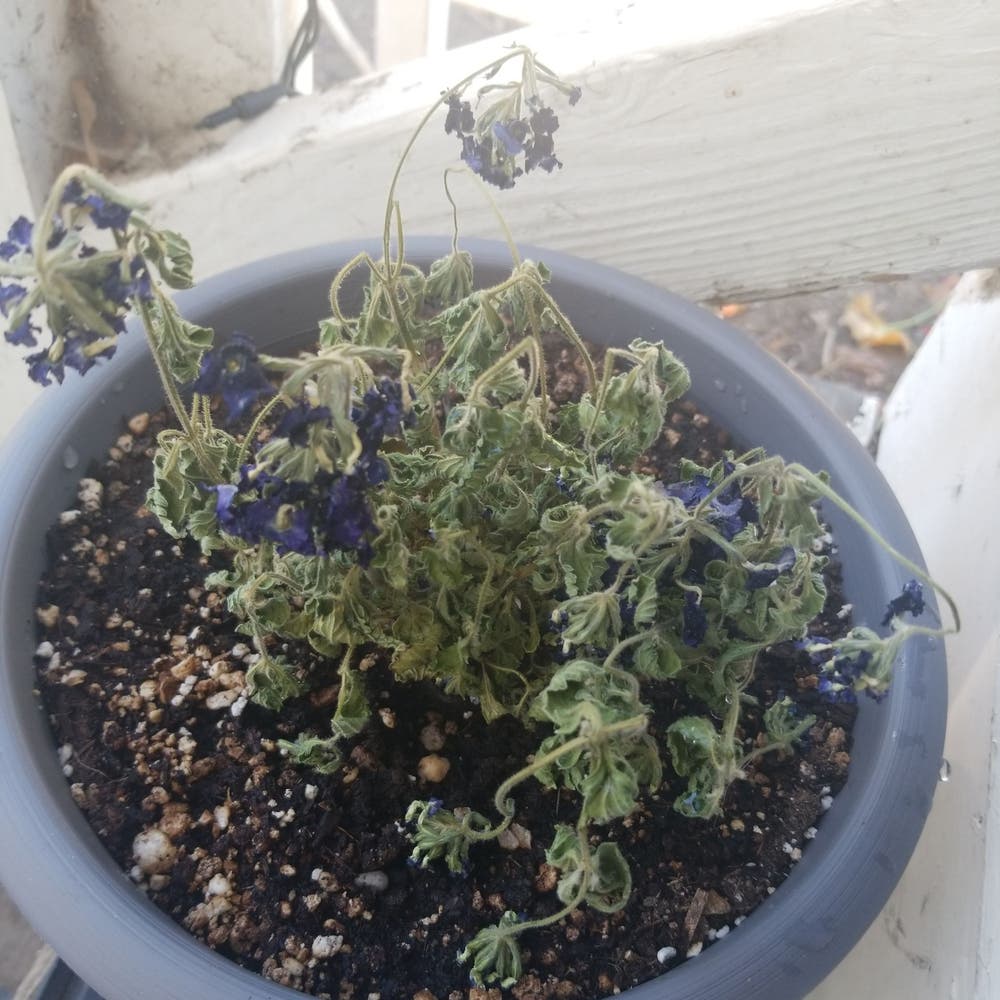
🌸 Homestead Purple Verbena - Fertilizing 101
Verbena 'Homestead Purple'
By the Greg Editorial Team
Aug 27, 2024•5 min read
This article was created with the help of AI so we can cover more plants for you. May contain errors. See one? Report it here.
Transform your Homestead Purple Verbena into a blooming masterpiece with expert fertilization tips! 🌱
- 🌱 Fertilize Homestead Purple Verbena with organic or synthetic options for optimal growth.
- 💧 Liquid fertilizers provide quick nutrient boosts, while slow-release options ensure steady feeding.
- 🌼 Signs of nutrient deficiencies include yellowing leaves; act promptly to restore health.
Types of Fertilizers Suitable for Homestead Purple Verbena
🌱 Organic vs. Synthetic Fertilizers
When it comes to fertilizing Homestead Purple Verbena, you have two main options: organic and synthetic fertilizers.
Organic options include compost, well-rotted manure, and organic granular fertilizers. These choices enrich the soil naturally, promoting healthy microbial activity.
On the other hand, synthetic fertilizers are chemical formulations with specific NPK ratios. They provide targeted nutrients quickly, making them a popular choice for immediate results.
💧 Slow-release vs. Liquid Fertilizers
Understanding the difference between slow-release and liquid fertilizers can significantly impact your Verbena's growth.
Slow-release fertilizers gradually release nutrients over time, ensuring a steady supply. This method reduces the risk of nutrient leaching and promotes sustained growth.
Conversely, liquid fertilizers offer quick nutrient availability, ideal for plants needing an immediate boost. They can be applied directly to the soil or as a foliar spray, making them versatile for various gardening situations.
Choosing the right fertilizer type is crucial for the health and vibrancy of your Homestead Purple Verbena. With the right approach, you’ll see your plants thrive beautifully.
Next, let’s dive into the specific nutrient requirements for your Verbena to ensure it gets exactly what it needs.
Nutrient Requirements Specific to Homestead Purple Verbena
🌱 Nitrogen, Phosphorus, and Potassium Ratios
To thrive, Homestead Purple Verbena requires a specific balance of nutrients. The ideal NPK ratio for this vibrant plant is 5-10-10, emphasizing the importance of phosphorus and potassium.
Phosphorus supports robust flowering, while potassium enhances overall plant health and resilience. Nitrogen, though necessary, should be kept in moderation to prevent excessive foliage growth at the expense of blooms.
🧪 Micronutrients and Their Importance
In addition to the primary nutrients, micronutrients play a crucial role in the health of Homestead Purple Verbena. Essential micronutrients include iron, magnesium, and calcium, each contributing to the plant's vitality.
Signs of deficiencies can manifest as yellowing leaves or stunted growth. Addressing these deficiencies promptly is vital to maintaining a lush, blooming display.
Understanding these nutrient requirements will set you on the right path to nurturing your Homestead Purple Verbena. Next, let’s explore when to fertilize for optimal growth.
When to Fertilize Homestead Purple Verbena
🌱 Seasonal Fertilization Schedule
Understanding when to fertilize your Homestead Purple Verbena is crucial for its health and blooming potential. Timing your fertilization can make all the difference in achieving vibrant flowers and lush foliage.
🌸 Spring Fertilization
Early spring is the perfect time to start fertilizing as new growth begins. A balanced slow-release fertilizer is recommended to provide steady nutrients throughout the growing season.
☀️ Summer Feeding
Mid-summer is another key period for feeding your Verbena. Using a liquid fertilizer at this stage ensures quick nutrient uptake, promoting sustained blooming during the hottest months.
🍂 Fall Considerations
As the season winds down, late fall fertilization prepares your plants for dormancy. Opt for low-nitrogen options to prevent new growth that could be damaged by winter conditions.
👀 Signs Indicating Fertilization Needs
Keep an eye out for signs that your Verbena may need fertilization. Yellowing leaves and reduced blooming are clear indicators, as well as stunted growth or poor overall vigor.
By monitoring these signs and adhering to a seasonal schedule, you can ensure your Homestead Purple Verbena thrives throughout the year. Next, let’s explore how to effectively fertilize your plants for optimal results.
How to Fertilize Homestead Purple Verbena
🌱 Step-by-Step Fertilization Process
Preparing the Soil
- Start by clearing any debris and weeds from around your Homestead Purple Verbena. This ensures that your plant can access nutrients without competition.
- Loosen the top 2-3 inches of soil to improve aeration and nutrient absorption. This simple step can make a big difference in plant health.
- Test the soil pH to ensure it falls within the ideal range of 6.0-7.0. A balanced pH promotes optimal nutrient uptake.
Application Techniques
- For granular fertilizers, sprinkle them evenly around the base of the plant. This method allows for gradual nutrient release as the fertilizer breaks down.
- When using liquid fertilizers, dilute them according to the instructions on the label. Apply the mixture directly to the soil for quick nutrient availability.
Watering After Fertilization
Watering is crucial after fertilization to activate the nutrients. Aim for about 1-2 inches of water post-application to help the fertilizer penetrate the soil effectively.
📏 Recommended Fertilizer Amounts
General Guidelines for Application Rates
- For granular fertilizers, use about 1 tablespoon per square foot. This amount provides a balanced nutrient boost without overwhelming the plant.
- For liquid fertilizers, always follow the label instructions for dilution. This ensures you’re providing the right concentration for your Verbena.
Adjusting for Container vs. Ground Planting
- If your Homestead Purple Verbena is in a container, opt for more frequent, smaller doses of fertilizer. Container plants can deplete nutrients faster due to limited soil volume.
- For ground-planted Verbena, larger, less frequent applications work best. This approach allows the nutrients to remain in the soil longer, supporting sustained growth.
With these steps, your Homestead Purple Verbena will thrive, showcasing its vibrant blooms. Next, let’s explore how to avoid over-fertilization, ensuring your plants remain healthy and beautiful.
Avoiding Over-Fertilization
Symptoms of Over-Fertilization 🌱
Over-fertilization can lead to noticeable problems in your Homestead Purple Verbena. Common signs include leaf burn, where the tips turn brown, and an abundance of foliage with few flowers.
How to Correct Over-Fertilization Issues 🔧
If you suspect over-fertilization, take immediate action.
- Flush the Soil: Water the plant thoroughly to dilute excess nutrients.
- Monitor Recovery: Keep an eye on your plant's health and adjust your fertilization schedule accordingly.
Best Practices to Prevent Over-Fertilization 🚫
Preventing over-fertilization is easier than fixing it.
- Regular Soil Testing: Assess nutrient levels to ensure you're not overdoing it.
- Adhere to Recommended Rates: Stick to the suggested application amounts for your fertilizers.
By following these guidelines, you can keep your Homestead Purple Verbena thriving without the risk of over-fertilization. Next, let’s explore the step-by-step fertilization process to ensure your plants get the nutrients they need effectively.
⚠️ Safety First
This content is for general information and may contain errors, omissions, or outdated details. It is not medical, veterinary advice, or an endorsement of therapeutic claims.
Always consult a qualified healthcare professional before using any plant as food, medicine, or supplement.
Never eat any plant (or feed one to pets) without confirming its identity with at least two trusted sources.
If you suspect poisoning, call Poison Control (800) 222-1222, the Pet Poison Helpline (800) 213-6680, or your local emergency service immediately.
Spotted an error? Please report it here.
Boost your Homestead Purple Verbena's blooms with smart fertilization tips 🌼 from Greg, who can remind you when to feed and help you track nutrient needs for thriving plants!