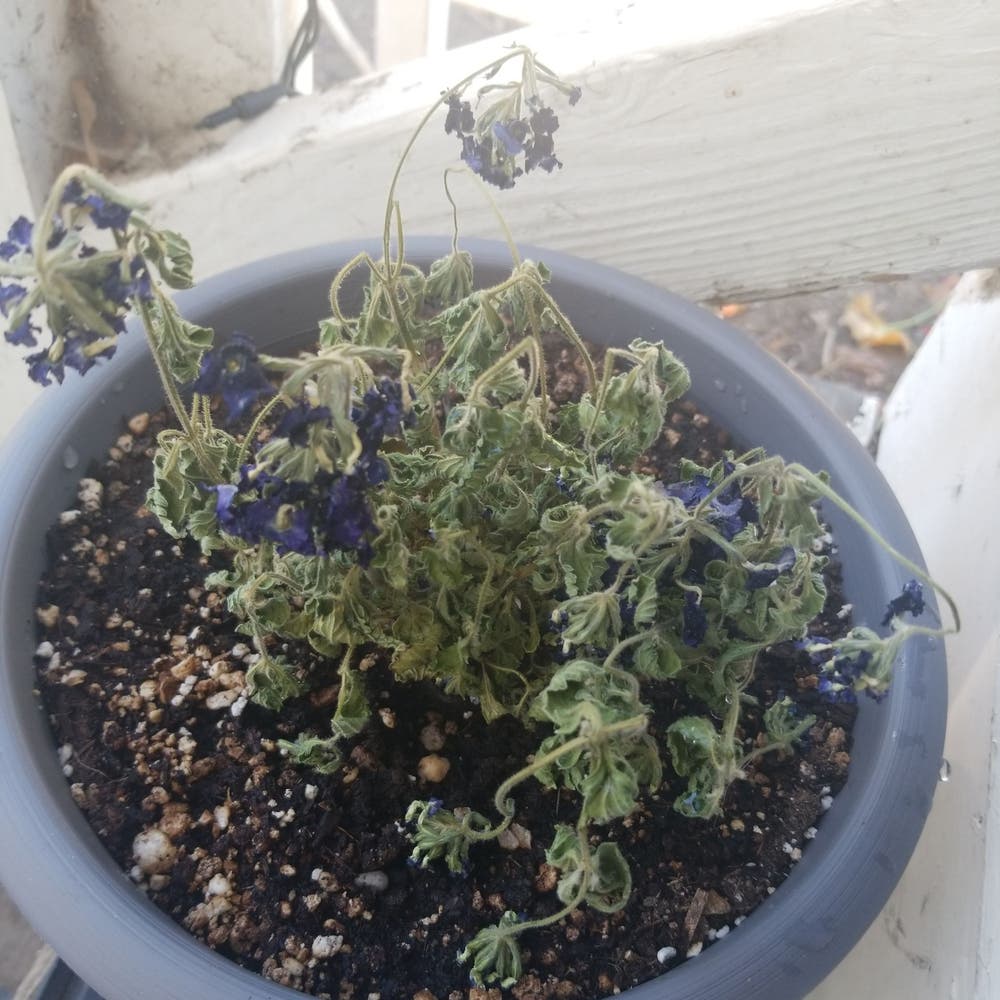
🍃 Why Homestead Purple Verbena Leaves Turn Yellow
Verbena 'Homestead Purple'
By the Greg Editorial Team
Aug 27, 2024•5 min read
This article was created with the help of AI so we can cover more plants for you. May contain errors. See one? Report it here.
Revive your yellowing plants 🌱 with expert tips to diagnose and treat common issues for vibrant growth!
- 🌱 Yellow leaves indicate nutrient deficiencies, especially nitrogen and iron.
- 💧 Overwatering and underwatering both cause yellowing; maintain consistent watering practices.
- 🐛 Pests like aphids and spider mites can also lead to yellow leaves; inspect regularly.
Causes of Yellowing Leaves
🌱 Nutrient Deficiencies
Nitrogen Deficiency
Nitrogen deficiency is a common issue that manifests as pale green to yellow leaves, particularly affecting the older foliage. To remedy this, apply a balanced fertilizer that is high in nitrogen to restore the plant's vigor.
Iron Deficiency
Iron deficiency presents itself through yellowing between leaf veins, leaving the veins themselves green—a condition known as interveinal chlorosis. The solution lies in applying chelated iron supplements or iron-rich fertilizers to boost the plant's health.
💧 Watering Issues
Overwatering
Overwatering can lead to yellowing leaves, wilting, and even root rot. To combat this, allow the soil to dry out between waterings and ensure proper drainage to keep your plants thriving.
Underwatering
On the flip side, underwatering results in yellowing leaves with dry, crispy edges. The fix is simple: water consistently, keeping the soil moist but not soggy to support healthy growth.
🐛 Pest Infestations
Aphids
Aphids are notorious for causing curling leaves, sticky residue, and visible insects on your plants. To tackle this pest, use insecticidal soap or introduce natural predators like ladybugs to keep their populations in check.
Spider Mites
Spider mites create fine webbing on leaves and cause stippled yellowing. Increasing humidity around the plant and applying miticides can help manage these pesky invaders effectively.
🍄 Fungal Diseases
Root Rot
Root rot is a serious condition characterized by yellowing leaves, wilting, and mushy roots. The best course of action is to remove affected plants, improve drainage, and avoid overwatering to prevent recurrence.
Powdery Mildew
Powdery mildew appears as white powdery spots on leaves, leading to yellowing. To combat this, improve air circulation around the plant and apply fungicides as needed to restore its health.
Understanding these causes is crucial for maintaining the vibrant health of your Homestead Purple Verbena. With the right knowledge, you can take proactive steps to ensure your plants thrive. Next, let’s explore how to diagnose yellow leaves effectively.
Diagnosing Yellow Leaves
👀 Visual Symptoms to Look For
When your Homestead Purple Verbena starts to turn yellow, the first step is to observe the color changes. Pay attention to the extent and pattern of yellowing; is it uniform or patchy?
Next, check the leaf texture. Look for signs of wilting, curling, or any unusual spots that could indicate underlying issues.
🌍 Soil and Environmental Factors
Soil moisture is crucial for healthy plants. Test the soil moisture levels to determine if your watering practices need adjustment.
Drainage quality is another factor to consider. Ensure your soil drains well to prevent waterlogging, which can lead to root problems.
Lastly, sunlight exposure plays a vital role in plant health. Confirm that your Verbena receives adequate sunlight, ideally 6-8 hours daily, to thrive.
By carefully diagnosing these visual symptoms and environmental factors, you can pinpoint the cause of yellowing leaves and take appropriate action. This proactive approach will help your plants flourish and avoid further issues.
Treatment and Alleviation
Adjusting Watering Practices 🌧️
To keep your Homestead Purple Verbena thriving, start by checking soil moisture regularly with a moisture meter. This simple tool helps you determine when to water, ensuring you water deeply but infrequently to promote strong root growth.
Adjust your watering frequency based on weather conditions and the specific needs of your plant. Remember, consistency is key!
Fertilization Strategies 🌱
If you suspect nutrient deficiencies, opt for a balanced fertilizer with a higher nitrogen content. This will help restore the vibrant green color to your leaves.
Apply the fertilizer during the growing season, following the package instructions for the best results. Your plants will thank you!
Pest Control Methods 🐞
Regular inspections are crucial for catching pests early. Look for signs like curling leaves or sticky residue, which indicate an infestation.
For treatment, use insecticidal soap or neem oil to tackle the problem. Additionally, consider introducing beneficial insects, such as ladybugs, to naturally control pest populations.
Fungal Treatment Options 🍄
If you notice fungal issues, start by removing affected leaves to prevent further spread. Improving air circulation around your plants can also help mitigate these problems.
Apply fungicides according to the label instructions for effective treatment. Lastly, ensure you maintain proper watering practices to prevent recurrence.
By following these treatment and alleviation strategies, you can help your Homestead Purple Verbena regain its health and vibrancy. Next, let’s explore some prevention strategies to keep your plants thriving year-round!
Prevention Strategies
Proper Soil Drainage 🌧️
Using well-draining soil mixes is crucial for preventing water retention. This simple step can save your Homestead Purple Verbena from the stress of soggy roots.
Consider raised beds or containers to enhance drainage. These options not only improve soil aeration but also make it easier to control moisture levels.
Sunlight and Location Considerations ☀️
Position your plants in full sun, ideally receiving 6-8 hours of light daily. This exposure promotes healthy growth and vibrant foliage.
Avoid shaded areas, as they can lead to fungal issues and stunted growth. A sunny spot can make all the difference in keeping your plants thriving.
Seasonal Care Adjustments 🍂
Adjust your watering frequency based on seasonal changes. In summer, your plants may need more water, while winter calls for less.
Fertilize during the growing season to support growth, but reduce feeding in fall and winter. This seasonal approach helps your plants stay healthy year-round.
By implementing these prevention strategies, you can keep your Homestead Purple Verbena vibrant and flourishing. Next, let’s explore how to diagnose yellow leaves effectively.
⚠️ Safety First
This content is for general information and may contain errors, omissions, or outdated details. It is not medical, veterinary advice, or an endorsement of therapeutic claims.
Always consult a qualified healthcare professional before using any plant as food, medicine, or supplement.
Never eat any plant (or feed one to pets) without confirming its identity with at least two trusted sources.
If you suspect poisoning, call Poison Control (800) 222-1222, the Pet Poison Helpline (800) 213-6680, or your local emergency service immediately.
Spotted an error? Please report it here.
Revitalize your Homestead Purple Verbena and keep those leaves lush and green 🌿 with Greg's tailored care tips and watering reminders that ensure your plant thrives!