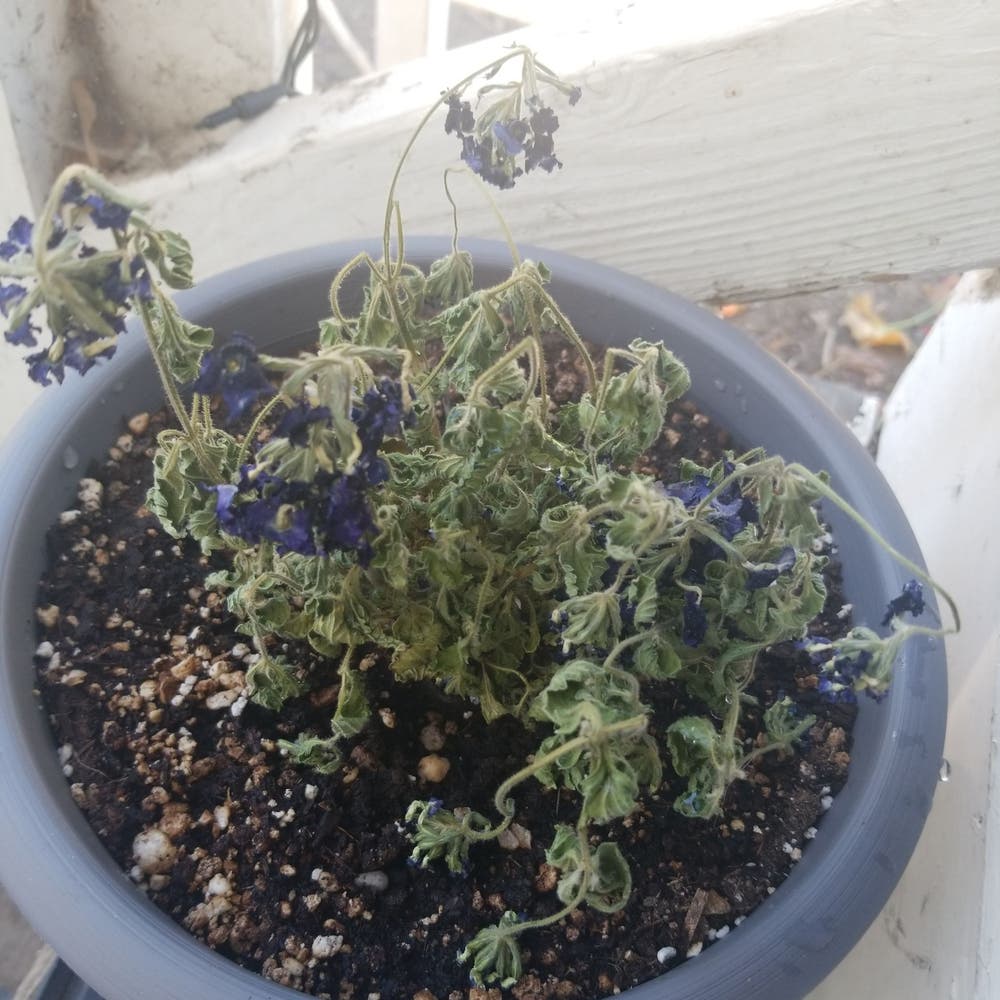
10 Secrets to Thriving Outdoor Homestead Purple Verbena 🦋
Verbena 'Homestead Purple'
By the Greg Editorial Team
Aug 27, 2024•7 min read
This article was created with the help of AI so we can cover more plants for you. May contain errors. See one? Report it here.
Transform your garden with vibrant purple verbena blooms 🌸 by mastering essential care tips for thriving plants!
- ☀️ Purple verbena needs 6-8 hours of sunlight daily for optimal growth and blooms.
- 💧 Water weekly and ensure soil dries out to prevent overwatering and root rot.
- 🌱 Use well-draining soil and organic matter for healthy, vibrant purple verbena.
Sunlight Requirements
Ideal Sunlight Exposure 🌞
Purple verbena thrives in full sun, requiring at least 6-8 hours of direct sunlight daily. This ample sunlight not only promotes vibrant blooms but also supports healthy growth, making your garden a visual delight.
Effects of Insufficient Sunlight 🌥️
When purple verbena doesn’t get enough light, you’ll notice signs like stunted growth, fewer flowers, and a leggy appearance. If this happens, consider relocating the plant to a sunnier spot or trimming surrounding plants to boost light exposure.
Understanding these sunlight needs is crucial for ensuring your verbena flourishes. With the right conditions, you’ll enjoy a stunning display of color all season long.
Watering Needs and Techniques
🌧️ General Watering Guidelines
To keep your outdoor homestead purple verbena thriving, aim for weekly watering during dry spells. Adjust this frequency based on rainfall; your plants will appreciate the attention.
Always check the soil moisture before watering. Make sure the top inch of soil is dry to the touch; this ensures you're not overwatering, which can lead to root issues.
💦 Techniques for Effective Watering
Deep watering is key for encouraging robust root growth. Water thoroughly to reach deeper soil layers, allowing your verbena to establish a strong foundation.
Consider using drip irrigation for consistent moisture. This method provides water directly to the roots without the risk of waterlogging, ensuring your plants stay healthy and vibrant.
By mastering these watering techniques, you'll set your purple verbena up for success, paving the way for lush blooms and strong growth. Next, let’s explore the ideal soil preferences and amendments to further enhance your gardening efforts.
Soil Preferences and Amendments
Ideal Soil Conditions 🌱
For thriving outdoor homestead purple verbena, the soil type is crucial. A well-draining, sandy loam is preferred, allowing excess water to escape while retaining enough moisture for healthy growth.
The ideal soil pH ranges from slightly acidic to neutral, specifically between 6.0 and 7.0. This balance ensures that nutrients are readily available for the plant's uptake.
Soil Amendments 🧑🌾
To enhance soil fertility and drainage, incorporating organic matter is essential. Compost is a fantastic option, enriching the soil and providing vital nutrients.
Mulching is another effective strategy. Using organic mulch not only retains moisture but also suppresses weeds, creating a healthier environment for your verbena to flourish.
With the right soil conditions and amendments, your purple verbena will be set up for success. Next, let’s explore the fertilization tips that will keep your plants thriving throughout the growing season.
Fertilization Tips
🌱 Fertilization Schedule
To keep your outdoor homestead purple verbena thriving, timing is everything. Fertilize in early spring and again in mid-summer to provide essential nutrients when they need it most.
Using a balanced, slow-release fertilizer is key. This type of fertilizer ensures that your plants receive a steady supply of nutrients over time, promoting robust growth and vibrant blooms.
⚠️ Signs of Nutrient Deficiency
Keep an eye on your verbena for signs of nutrient deficiency. Yellowing leaves often indicate a nitrogen deficiency, signaling that it’s time to boost your fertilization efforts.
If you notice poor flowering, it may suggest a lack of phosphorus. Addressing these deficiencies promptly can help your plants flourish and produce those stunning blooms you desire.
With the right fertilization strategy, your verbena will not only survive but thrive, setting the stage for a beautiful garden. Next, let’s explore the best planting options for your verbena.
Planting Options
Benefits and Drawbacks of Container Planting 🌱
Container planting offers remarkable mobility. You can easily relocate your Verbena to optimize sunlight exposure or protect it from harsh weather.
However, this method comes with a drawback: limited root space. This restriction can hinder growth and flowering, making it essential to choose appropriately sized containers.
Benefits and Drawbacks of Ground Planting 🌍
Ground planting allows for natural growth. With ample space for roots to expand, your Verbena can thrive and produce vibrant blooms.
On the flip side, this option has an invasive potential. Verbena can spread easily in garden beds, so regular maintenance is crucial to keep it in check.
Understanding these planting options helps you make informed decisions for your outdoor homestead. Whether you opt for containers or ground planting, each choice has its unique advantages and challenges.
Protection Strategies
🌦️ Weather Protection Techniques
Mulching is a fantastic way to insulate roots and retain soil moisture, especially during extreme temperatures. A layer of organic mulch not only protects your verbena but also helps suppress weeds.
For unexpected weather changes, consider using temporary covers like frost cloths or shade cloths. These can shield your plants from harsh conditions, ensuring they stay healthy and vibrant.
🐛 Common Outdoor Pests and Management
Aphids can be a nuisance, often showing up as curled leaves on your verbena. Control them effectively with insecticidal soap, which is both safe and efficient.
Spider mites are another common threat, identifiable by fine webbing on the leaves. To combat them, increase humidity around your plants and consider using miticides for a more targeted approach.
🦠 Diseases and Solutions
Root rot is a serious issue caused by overwatering, leading to unhealthy plants. To prevent this, ensure your verbena has proper drainage; it’s crucial for their survival.
Powdery mildew can also affect your plants, often appearing as a white coating on leaves. Prevent this by promoting good air circulation and avoiding overhead watering, which can exacerbate the problem.
With these protection strategies in place, your outdoor homestead purple verbena will thrive despite the challenges nature throws its way. Next, let’s explore the seasonal care needed to keep your plants flourishing throughout the year.
Seasonal Care
Spring Care Tips 🌸
Spring is the perfect time to rejuvenate your outdoor homestead purple verbena. Start by pruning back any dead or damaged stems; this encourages new growth and helps the plant thrive.
Next, apply a balanced fertilizer to promote healthy blooms. This simple step can make a significant difference in your verbena's vibrancy.
Summer Maintenance ☀️
As the heat intensifies, regular watering becomes essential. Ensure your verbena receives consistent moisture, especially during dry spells, to keep it flourishing.
Don't forget to deadhead spent flowers. This practice encourages continuous blooming, allowing your garden to maintain its colorful display throughout the summer.
Fall Preparation 🍂
As temperatures begin to drop, it's time to adjust your watering routine. Gradually reduce watering to help your verbena prepare for the cooler months ahead.
Applying a layer of mulch is also beneficial. This helps protect the roots from frost and retains moisture as the weather changes.
Winter Care Considerations ❄️
For container plants, moving them indoors or to a sheltered location is crucial. This protects them from harsh winter conditions and ensures they remain healthy.
For ground-planted verbena, keep an eye out for frost damage. Applying protective mulch can safeguard the roots and support their survival through the winter months.
With these seasonal care tips, your outdoor homestead purple verbena will thrive year-round, ready to bring beauty to your garden. Next, let’s explore climate zone considerations to ensure your plants are perfectly suited to their environment.
Climate Zone Considerations
🌞 Best Climate Zones
Outdoor homestead purple verbena flourishes in USDA zones 7-11, making it perfect for warmer climates. If you live in these zones, you’re in for a treat with vibrant blooms and robust growth.
🌡️ Adjusting Care Based on Climate
In hot climates, increase your watering frequency to keep the plants hydrated. Providing afternoon shade can also help them thrive during the hottest parts of the day.
For those in cooler climates, consider container planting. This allows for easy relocation to sunnier spots as temperatures fluctuate, ensuring your verbena gets the light it needs.
Understanding your climate zone is crucial for successful gardening. With the right adjustments, you can enjoy the beauty of purple verbena all season long.
As we move on, let’s explore common misconceptions about caring for this stunning plant.
Common Misconceptions
Myths About Care 🌱
One common misconception is that verbena requires constant watering. In reality, once established, these plants are quite drought-tolerant, and overwatering can lead to root rot.
Clarifying Care Requirements ☀️
Sunlight is crucial for verbena to thrive; they need full sun to bloom beautifully. Additionally, it's important to understand that verbena can become invasive, so regular maintenance is essential to keep it in check.
Final Thoughts 💭
By debunking these myths, you can better appreciate the unique needs of outdoor homestead purple verbena. With the right care, you'll enjoy vibrant blooms and a flourishing garden.
⚠️ Safety First
This content is for general information and may contain errors, omissions, or outdated details. It is not medical, veterinary advice, or an endorsement of therapeutic claims.
Always consult a qualified healthcare professional before using any plant as food, medicine, or supplement.
Never eat any plant (or feed one to pets) without confirming its identity with at least two trusted sources.
If you suspect poisoning, call Poison Control (800) 222-1222, the Pet Poison Helpline (800) 213-6680, or your local emergency service immediately.
Spotted an error? Please report it here.
Unlock a vibrant garden display 🌿 by mastering your outdoor homestead purple verbena with Greg's tailored watering plans and care reminders to keep your plants thriving!