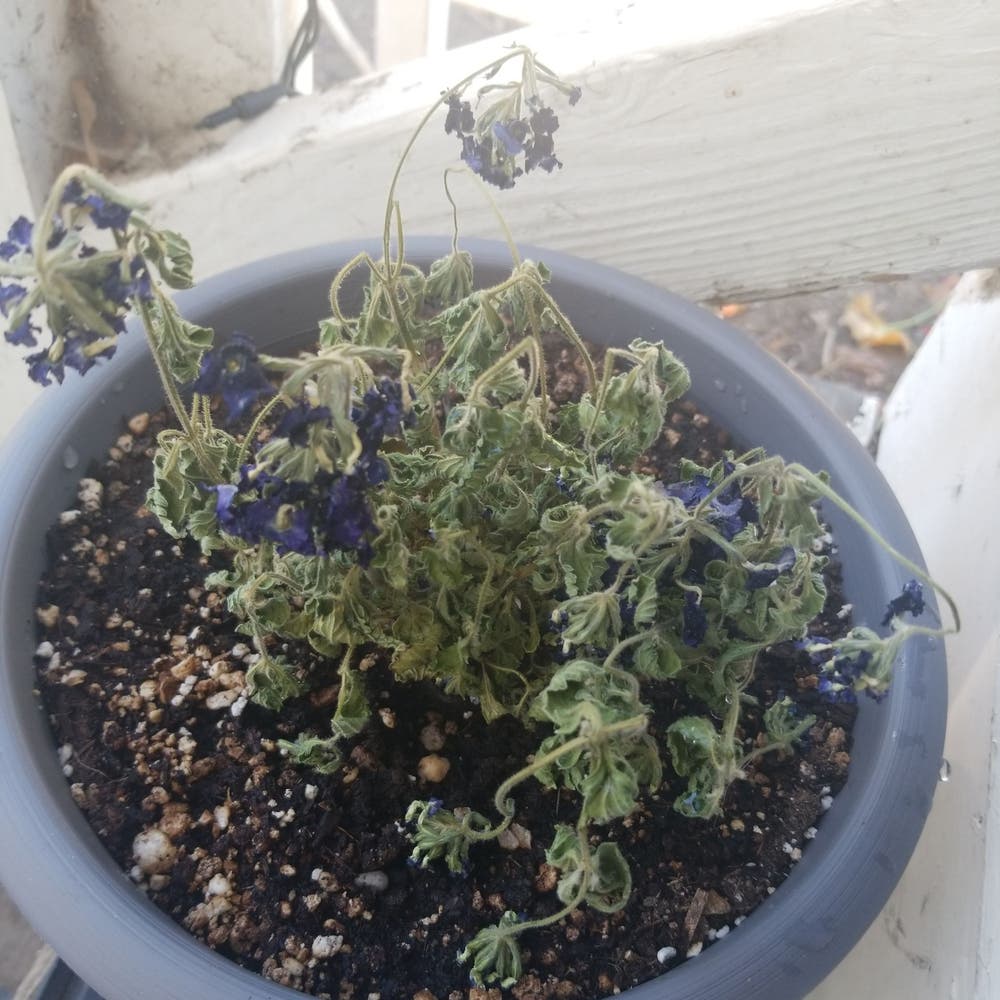
🌱 Step-by-Step Guide to Potting Homestead Purple Verbena
Verbena 'Homestead Purple'
By the Greg Editorial Team
Aug 27, 2024•6 min read
This article was created with the help of AI so we can cover more plants for you. May contain errors. See one? Report it here.
Unlock your Homestead Purple Verbena's full potential 🌱 by mastering the art of choosing the perfect pot size!
- 🌱 Choose the right pot size: 4-6 inches for seedlings, 10-12 inches for mature plants.
- 🚫 Signs to repot: Roots out of drainage holes and stunted growth indicate it's time.
- 💧 Proper drainage is crucial: Prevent root rot with adequate holes and materials.
Importance of Pot Size
🌱 Why Container Size Matters
Choosing the right pot size is crucial for the health of your Homestead Purple Verbena. A larger pot provides ample space for root development, allowing your plant to thrive.
More soil means better moisture and nutrient retention, which is essential for robust growth. Conversely, smaller pots can lead to root-bound conditions, stunting your plant's potential.
📏 Recommended Container Sizes
For seedlings, aim for pots that are 4-6 inches in diameter. This size gives young plants the room they need to establish roots without overwhelming them.
As your plants mature, transition to pots that are 10-12 inches in diameter. This size supports their growth and ensures they have enough space to flourish.
🔄 Transitioning to Larger Pots
Watch for signs that it’s time to upgrade your container. If roots are growing out of the drainage holes or growth seems stunted, it’s time to move up.
When transitioning, increase the pot size by 2-4 inches in diameter. This gradual change helps your plant adjust without shock, promoting healthy development.
With the right pot size, your Homestead Purple Verbena will be set for success, ready to bloom beautifully. Next, let’s explore the ideal pot materials to enhance your gardening experience.
Ideal Pot Materials
Clay Pots 🌱
Clay pots are a popular choice among gardeners for several reasons. Their porous nature promotes better air circulation, which is essential for healthy root development.
Additionally, clay helps with moisture evaporation, reducing the risk of overwatering. However, they come with some drawbacks; they tend to be heavier and can be pricier than other options.
Moreover, clay pots may dry out more quickly, necessitating more frequent watering, especially in hot weather.
Plastic Pots 🪴
Plastic pots offer a lightweight and often more affordable alternative. They retain moisture better than clay, which can be a significant advantage for busy gardeners who might forget to water regularly.
On the downside, plastic pots are less breathable. This can lead to root rot if drainage is not adequately managed. They also may lack the aesthetic appeal that many gardeners seek in their plant displays.
Comparison of Pot Materials ⚖️
When choosing between clay and plastic pots, consider the pros and cons of each.
| Material | Benefits | Drawbacks |
|---|---|---|
| Clay | Good air circulation, moisture evaporation | Heavier, more expensive, dries out faster |
| Plastic | Lightweight, retains moisture | Less breathable, aesthetic limitations |
Ultimately, the best choice depends on your specific gardening conditions and personal preferences. Whether you lean towards the rustic charm of clay or the practicality of plastic, each material has its unique advantages.
Drainage Considerations
Importance of Drainage Holes 🌱
Drainage holes are crucial for preventing root rot and ensuring your Homestead Purple Verbena thrives. Without them, excess water can accumulate, leading to unhealthy roots and stunted growth.
Ensuring Proper Drainage 🚰
When selecting pots, ensure they have adequate drainage holes. For small pots, aim for a minimum of 2-3 holes; larger containers should have even more.
Adding a Drainage Layer
To enhance drainage, consider adding a layer of materials like gravel or broken pottery at the bottom of the pot. This layer helps facilitate water flow and prevents soil from clogging the holes.
Signs of Poor Drainage ⚠️
Keep an eye out for symptoms indicating poor drainage. Yellowing leaves and wilting, despite regular watering, are red flags.
Root Rot Indicators
If you notice mushy roots or a foul odor, your plant may be suffering from root rot. Addressing drainage issues promptly can save your Verbena from further decline.
Understanding these drainage considerations will set you up for success in potting your plants. Next, we’ll explore the essential steps for repotting your Homestead Purple Verbena effectively.
Repotting
When to Repot 🌱
Repotting is essential for maintaining healthy plants. Look for signs like roots growing out of drainage holes or stunted growth, such as yellowing leaves.
It's generally recommended to repot every 1-2 years or whenever you're transitioning to a larger pot. This ensures your plant has enough space to thrive.
Steps for Repotting Effectively 🛠️
- Prepare the new pot: Ensure it has adequate drainage holes.
- Gently remove the plant: Take it out of its current pot with care.
- Inspect roots: Check for damage or rot and trim if necessary.
- Place the plant in the new pot: Fill it with fresh potting mix.
- Water thoroughly: This helps settle the soil around the roots.
Choosing the Right Pot During Repotting 🪴
Selecting the right pot is crucial for your plant's health. Increase the pot size by 2-4 inches in diameter to give roots room to grow.
Consider the material as well. Choose based on your watering habits and aesthetic preferences to ensure both functionality and style.
With these steps, your Homestead Purple Verbena will be set for a flourishing future. Next, let’s explore common mistakes in potting to avoid any pitfalls.
Common Mistakes in Potting
🪴 Overpotting vs. Underpotting
Overpotting can be a sneaky mistake. When you use a pot that's too large, the excess soil retains too much moisture, which can lead to root rot.
On the flip side, underpotting is equally problematic. If the pot is too small, roots become bound, limiting growth and nutrient uptake.
🚫 Ignoring Drainage Needs
Ignoring drainage needs is a common pitfall for many gardeners. Without proper drainage, you risk root rot and poor plant health, which can quickly turn your vibrant Verbena into a wilted mess.
🧱 Selecting Inappropriate Materials
Choosing the wrong pot materials can also hinder your plant's growth. Non-breathable materials can suffocate moisture-loving plants, leading to stress and decline.
By avoiding these common mistakes, you can ensure your Homestead Purple Verbena thrives in its new home. Next, let’s explore the essential aspects of repotting to keep your plants healthy and happy.
⚠️ Safety First
This content is for general information and may contain errors, omissions, or outdated details. It is not medical, veterinary advice, or an endorsement of therapeutic claims.
Always consult a qualified healthcare professional before using any plant as food, medicine, or supplement.
Never eat any plant (or feed one to pets) without confirming its identity with at least two trusted sources.
If you suspect poisoning, call Poison Control (800) 222-1222, the Pet Poison Helpline (800) 213-6680, or your local emergency service immediately.
Spotted an error? Please report it here.
Potting your Homestead Purple Verbena is key to vibrant growth 🌱, and with Greg's tailored reminders and expert tips, you'll avoid common pitfalls and ensure your plant thrives!