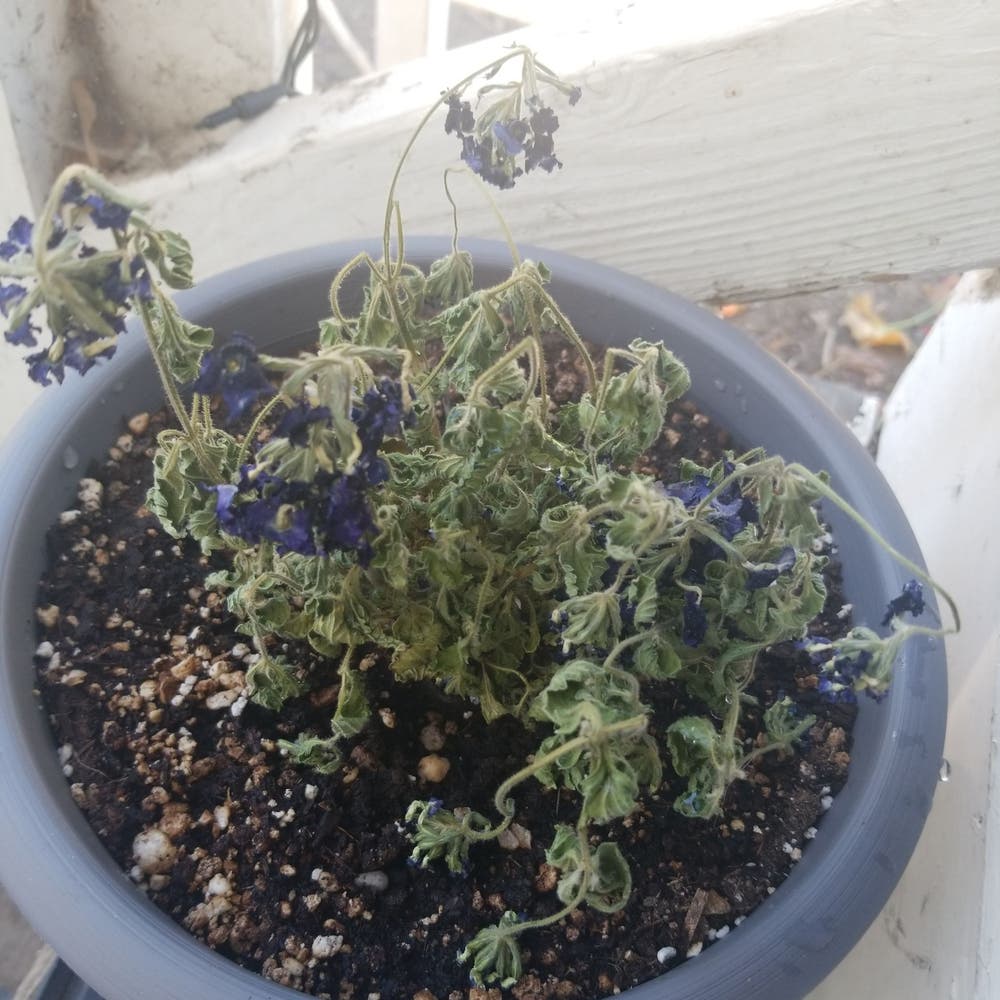
🌸 How to Cure Droopy Leaves on Your Homestead Purple Verbena
Verbena 'Homestead Purple'
By the Greg Editorial Team
Aug 27, 2024•7 min read
This article was created with the help of AI so we can cover more plants for you. May contain errors. See one? Report it here.
Transform droopy plants into thriving beauties 🌱 with expert tips on diagnosis and care for vibrant growth! 🌼
- 💧 Droopy leaves indicate overwatering or underwatering; check soil moisture regularly.
- 🌱 Pest infestations like aphids weaken plants, leading to droopiness; monitor for signs.
- 🌞 Ensure six hours of sunlight daily and maintain stable conditions for healthy growth.
Causes of Droopy Leaves
💧 Overwatering and Its Effects
Overwatering is a common culprit behind droopy leaves. Symptoms include yellowing leaves and mushy stems, which can lead to root rot and ultimately droopy foliage.
Well-draining soil is essential to prevent these issues. Ensuring your plants have the right soil can make all the difference.
🌵 Underwatering and Dehydration
Underwatering can also cause droopy leaves, with signs like crispy leaf edges and wilting. Dehydration negatively impacts both plant health and appearance.
Recovery for dehydrated plants can take time, but with proper care, they can bounce back.
🚰 Soil Drainage Issues
Soil drainage plays a crucial role in plant health. Poor drainage can lead to water pooling and soggy soil, which are clear indicators of trouble.
To improve drainage, consider soil amendments like perlite or sand to enhance aeration.
🐜 Pest Infestations
🐞 Common Pests
Aphids are notorious for infesting plants, leaving behind sticky residue and distorted leaves. Spider mites, on the other hand, can be harder to spot but cause significant damage by sucking sap from leaves.
Both pests can lead to droopy leaves if not addressed promptly.
⚠️ Impact on Leaf Health
Pests contribute to droopy leaves by weakening the plant and disrupting its nutrient uptake. Early detection and intervention are vital to prevent further damage.
🌱 Nutrient Deficiencies
🔑 Key Nutrients
Nitrogen is essential for leaf health and growth, while potassium supports overall plant vigor. A lack of these nutrients can lead to droopy leaves.
Understanding the role of these nutrients can help you maintain a thriving plant.
🚩 Symptoms of Deficiency
Visual signs of nutrient deficiencies include discoloration and deformities in leaves. Long-term shortages can severely impact plant health and growth.
🌡️ Environmental Stress
🌬️ Temperature Fluctuations
Plants thrive within an ideal temperature range. Extreme temperatures can stress plants, leading to droopy leaves.
Monitoring temperature is key to maintaining healthy foliage.
💨 Humidity Levels
Optimal humidity levels are crucial for healthy growth. Signs of low humidity stress include wilting and leaf drop.
Adjusting humidity can significantly improve plant health and appearance.
Understanding these causes will help you diagnose and treat droopy leaves effectively. Next, we’ll explore how to diagnose the specific issues affecting your Homestead Purple Verbena.
Diagnosing Droopy Leaves
🌊 Visual Signs of Overwatering vs. Underwatering
When diagnosing droopy leaves, the first step is to observe their appearance. Overwatered leaves often turn yellow and feel mushy, while underwatered ones may develop crispy edges and appear wilted.
To assess soil moisture levels, stick your finger about an inch into the soil. If it feels wet, you might be overwatering; if it’s dry, your plant is likely thirsty.
🐞 Identifying Pests and Their Damage
Pest infestations can also lead to droopy leaves. Look for signs like tiny holes, webbing, or sticky residue on leaves, which indicate pests like aphids or spider mites.
For effective pest identification, use a magnifying glass or smartphone camera to closely inspect your plants. Early detection is crucial for preventing further damage.
🥦 Recognizing Nutrient Deficiency Symptoms
Nutrient deficiencies can manifest as discoloration or deformities in leaves. For instance, yellowing leaves may indicate a nitrogen shortage, while browning edges could signal a potassium deficiency.
To test soil for nutrient levels, consider using a soil test kit. This will help you understand what your plants are lacking.
🌤️ Assessing Environmental Conditions
Environmental factors play a significant role in leaf health. Evaluate light exposure by checking if your plant receives full sun or is shaded for part of the day.
Additionally, monitor temperature and humidity levels. Extreme fluctuations can stress your plants, leading to droopiness. Keeping a consistent environment is key to their well-being.
Understanding these diagnostic signs will help you take the right steps toward reviving your Homestead Purple Verbena. Next, let’s explore treatment and recovery methods to restore your plant’s vitality.
Treatment and Recovery
🌊 Adjusting Watering Practices
Establishing a consistent watering schedule is crucial for your Homestead Purple Verbena. Aim to water deeply but infrequently, allowing the soil to dry out between sessions.
To check soil moisture before watering, use your finger or a moisture meter. If the top inch of soil feels dry, it’s time to water again.
Look for signs of recovery after adjusting your watering habits, such as perked-up leaves and new growth. These indicators show your plant is bouncing back.
🕳️ Improving Soil Drainage
Choosing the right soil type is essential for healthy Verbena. Opt for a well-draining mix, such as a blend of potting soil and perlite.
To enhance drainage, consider techniques like adding organic matter or sand to your soil. This will help prevent water pooling and soggy conditions.
The pot size and material also play a role in drainage. Ensure your container has drainage holes and is made from breathable materials like terracotta.
🌱 Fertilization Techniques for Recovery
When it comes to fertilizers, choose a balanced option that supports leaf health. Look for formulations rich in nitrogen and potassium.
Application methods vary, but a slow-release fertilizer can provide consistent nutrients over time. Timing is key; fertilize during the growing season for optimal results.
Signs of improvement after fertilization include vibrant green leaves and increased growth. Keep an eye out for these positive changes.
🐞 Pest Control Methods
🌿 Organic Options
Neem oil is a fantastic organic solution for pest control. Apply it in the early morning or late evening to avoid burning the leaves.
Insecticidal soap is another effective method. Spray it directly on affected areas to eliminate pests without harming your plant.
⚗️ Chemical Solutions
Consider chemical treatments if infestations are severe. Always follow the manufacturer's instructions for safe application.
Safety precautions are vital when using chemicals. Wear gloves and a mask, and ensure proper ventilation during application.
✂️ Pruning Damaged Leaves for Better Growth
For effective pruning, gather tools like sharp scissors or pruning shears. Clean tools help prevent disease spread.
When removing damaged leaves, cut just above a healthy node to encourage new growth. This technique promotes a fuller plant.
Timing is crucial for pruning; do it in the early spring or after flowering. This will give your Verbena the best chance to recover and thrive.
With these treatment and recovery strategies, your Homestead Purple Verbena can regain its vitality. Next, let’s explore preventative measures to keep those droopy leaves at bay.
Preventative Measures
Best Practices for Watering 🌊
Establishing a consistent watering schedule is crucial for your Homestead Purple Verbena. Aim to water deeply but infrequently, allowing the top inch of soil to dry out between sessions.
Seasonal adjustments are equally important. In hotter months, increase frequency, while in cooler months, reduce it to prevent overwatering.
Soil Preparation and Amendments 🏺
Choosing the right soil mix can make all the difference. A well-draining potting mix enriched with organic matter is ideal for healthy growth.
Regular soil testing helps you keep track of nutrient levels. This proactive approach ensures your plants receive the essential nutrients they need.
Regular Pest Monitoring and Control 🐞
Setting up a pest monitoring schedule is key to early detection. Check your plants weekly for any signs of pests or damage.
Implementing best practices for early intervention can save your plants. Use sticky traps or natural repellents to keep pests at bay before they become a problem.
Seasonal Care Tips to Prevent Droopiness 🍂
Adjust your care practices with the changing seasons. For instance, during the summer, ensure your plants are adequately shaded during the hottest parts of the day.
Mulching is another effective strategy. It helps retain soil moisture and regulates temperature, promoting overall plant health.
Ideal Growing Conditions ☀️
Homestead Purple Verbena thrives in full sun exposure. Aim for at least six hours of direct sunlight daily to encourage vibrant growth.
Temperature and humidity preferences also play a role. Keep your plants in a warm environment with moderate humidity for optimal health and resilience.
By following these preventative measures, you can maintain the health of your Homestead Purple Verbena and enjoy its beauty year-round. Next, let’s explore how to diagnose droopy leaves effectively.
⚠️ Safety First
This content is for general information and may contain errors, omissions, or outdated details. It is not medical, veterinary advice, or an endorsement of therapeutic claims.
Always consult a qualified healthcare professional before using any plant as food, medicine, or supplement.
Never eat any plant (or feed one to pets) without confirming its identity with at least two trusted sources.
If you suspect poisoning, call Poison Control (800) 222-1222, the Pet Poison Helpline (800) 213-6680, or your local emergency service immediately.
Spotted an error? Please report it here.
Revive your Homestead Purple Verbena from droopy leaves with smart watering and pest control tips, and let Greg guide you with tailored reminders for thriving plants! 🌿