🌸 Ultimate Guide to Propagating Homestead Purple Verbena
Verbena 'Homestead Purple'
By the Greg Editorial Team
Aug 27, 2024•6 min read
This article was created with the help of AI so we can cover more plants for you. May contain errors. See one? Report it here.
Unlock a vibrant garden with easy propagation tips for Homestead Purple Verbena! 🌱
- 🌱 Healthy 4-6 inch stems free from pests ensure successful propagation of Verbena.
- ✂️ Cut below a node and remove lower leaves to boost root growth.
- 💧 Maintain humidity and use well-draining soil to prevent root rot.
Propagating via Stem Cuttings
Step-by-step Instructions
Select healthy stems: Choose stems that are 4-6 inches long and free from pests or diseases. Healthy cuttings are key to successful propagation.
Cut below a node: Use clean, sharp scissors to make a cut just below a leaf node. This is where roots are more likely to develop.
Remove lower leaves: Trim off the leaves from the bottom half of the cutting to prevent rot. Keeping the cutting clean helps it focus on root growth.
Apply rooting hormone: Dip the cut end into rooting hormone to encourage root development. This step significantly boosts your chances of success.
Plant in a suitable medium: Place the cutting in a well-draining potting mix or a mix of perlite and peat moss. Good drainage is essential to avoid rot.
Water lightly: Moisten the soil without over-saturating it. Too much water can drown the cutting before it roots.
Cover with a plastic bag or dome: Create a humid environment to promote rooting. This helps maintain moisture levels while the cutting establishes roots.
Monitor and wait: Check for roots in 2-4 weeks. Patience is key; avoid disturbing the cutting during this time.
🌱 Ideal Time for Cuttings
The best time to take cuttings is in late spring or early summer when the plant is actively growing. This timing maximizes the chances of successful propagation.
🌿 Using Rooting Hormone
Importance of rooting hormone: It enhances root development and increases success rates. Using it can make a noticeable difference in your propagation efforts.
Application tips: Ensure even coverage on the cut end without excess clumping. A thin layer is all you need to promote healthy roots.
By following these steps, you'll be well on your way to successfully propagating Homestead Purple Verbena through stem cuttings. Next, let's explore how to propagate this beautiful plant via division.
Propagating via Division
🌱 When to Divide
The best time to divide your Homestead Purple Verbena is during early spring or fall. This timing ensures that the plant is not in full bloom, allowing for a smoother division process.
🛠️ Tools Needed for Division
Before you start, gather the necessary tools:
- Sharp spade or garden fork: Essential for digging up the plant.
- Clean pruning shears: Useful for trimming any damaged roots.
- Watering can: For hydrating the new divisions post-planting.
📋 Step-by-step Division Process
1. Water the Plant
Start by watering the plant thoroughly. This ensures the soil is moist, making it easier to lift the root ball without damaging it.
2. Dig Around the Plant
Use your spade or garden fork to carefully dig around the plant. Aim to lift it from the ground while keeping the root ball intact.
3. Separate the Clumps
Once lifted, gently pull apart the root clumps. Each division should have both roots and shoots to ensure successful growth.
4. Replant Immediately
Place the divisions into well-draining soil right away. Make sure to space them appropriately to allow for healthy growth.
5. Water Thoroughly
After replanting, give the new plants a good drink. This helps them settle into their new environment and promotes hydration.
Dividing your Homestead Purple Verbena can rejuvenate the plant and encourage more blooms. With the right timing and care, you'll enjoy a thriving garden filled with vibrant colors. Next, let’s explore propagating from seeds for even more options in expanding your Verbena collection.
Propagating from Seeds
🌱 Seed Collection and Preparation
Collecting seeds from your Homestead Purple Verbena is a rewarding task. Aim to gather them in late summer when the flower heads turn brown, signaling they are ripe for harvesting.
Once collected, allow the seeds to dry completely. Store them in a cool, dry place to maintain their viability for future planting.
🌡️ Germination Conditions
For successful germination, maintain an optimal temperature between 70°F to 75°F (21°C to 24°C).
It's crucial to remember that these seeds need light to germinate, so avoid covering them with soil.
🌿 Transplanting Seedlings
Transplant your seedlings when they have at least two sets of true leaves. This ensures they are strong enough to thrive in their new environment.
Make sure to space the seedlings adequately to promote healthy growth.
Gradually acclimatize them to outdoor conditions over a week. This step helps reduce transplant shock and prepares them for their new home in your garden.
With these steps, you'll be well on your way to successfully propagating Homestead Purple Verbena from seeds. Next, let’s explore common challenges you might face during propagation.
Common Challenges in Propagation
🐛 Pests and Diseases
Identifying common issues is crucial for successful propagation. Watch out for pests like aphids and spider mites, which can wreak havoc on your plants.
Diseases, particularly root rot from overwatering, can also be a significant concern. Keeping an eye on your plants will help you catch these problems early.
🛡️ Preventative Measures
To combat pests, consider using insecticidal soap. It’s a straightforward solution that can effectively manage infestations without harming your plants.
Proper drainage is essential to prevent root rot. Ensure your pots have holes and use a well-draining soil mix to keep your plants healthy.
🌍 Environmental Factors
Light Requirements
Light is vital for healthy growth. Aim for at least 6-8 hours of full sun daily to keep your Homestead Purple Verbena thriving.
Soil Conditions
Soil quality matters too. A well-draining mix, such as potting soil combined with perlite or sand, will enhance drainage and promote robust root development.
Understanding these challenges and their solutions will set you up for success in propagating your plants. With the right care, you can enjoy a flourishing garden filled with vibrant Verbena.
Troubleshooting Common Propagation Issues
🌱 Poor Root Development
Poor root development can be frustrating. The main culprits are often overwatering, insufficient light, or a lack of rooting hormone.
To remedy this, adjust your watering practices. Ensure the soil is moist but not soggy, and provide adequate light exposure to encourage healthy growth.
🍂 Wilting or Yellowing Leaves
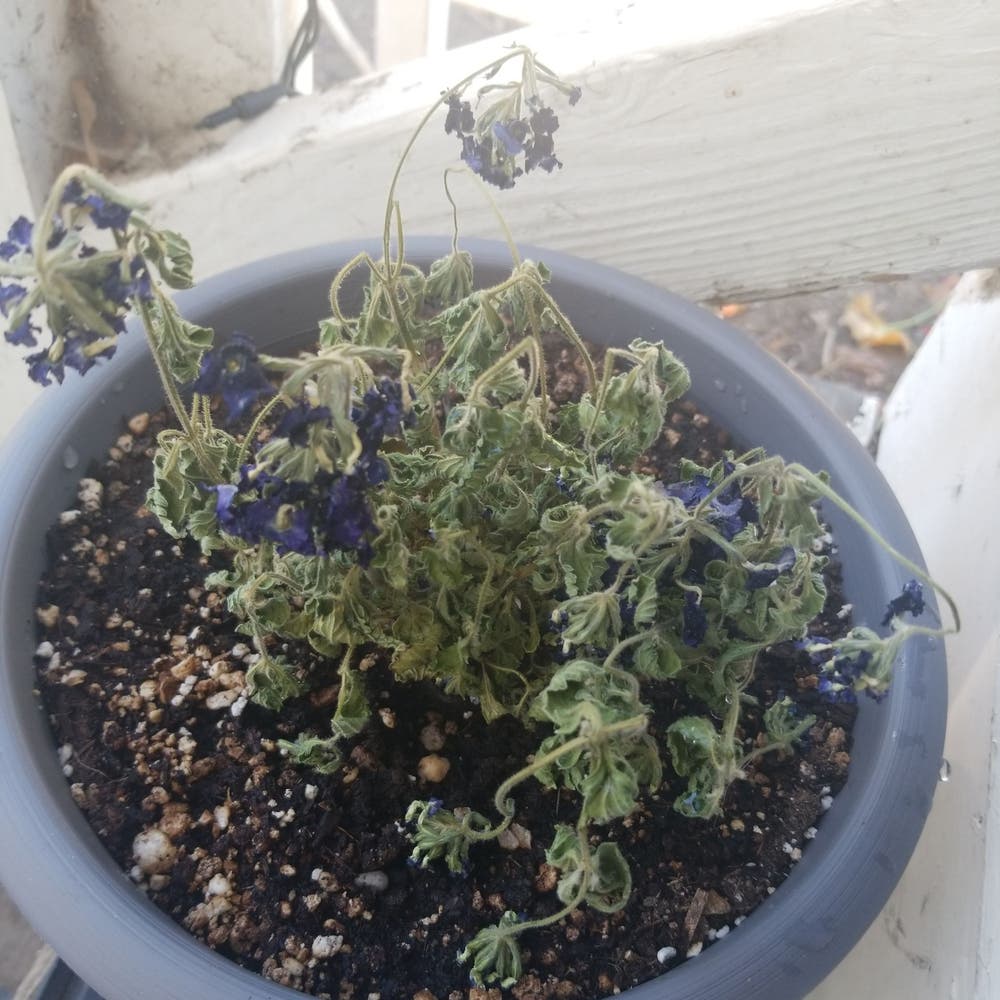
Wilting or yellowing leaves signal stress, often from transplanting or unfavorable environmental conditions.
To address this, check the soil moisture. Adjust light conditions as needed to help your plants recover and thrive.
By staying attentive to these common issues, you can enhance your propagation success and enjoy the beauty of Homestead Purple Verbena in your garden.
⚠️ Safety First
This content is for general information and may contain errors, omissions, or outdated details. It is not medical, veterinary advice, or an endorsement of therapeutic claims.
Always consult a qualified healthcare professional before using any plant as food, medicine, or supplement.
Never eat any plant (or feed one to pets) without confirming its identity with at least two trusted sources.
If you suspect poisoning, call Poison Control (800) 222-1222, the Pet Poison Helpline (800) 213-6680, or your local emergency service immediately.
Spotted an error? Please report it here.
Propagate your Homestead Purple Verbena like a pro 🌿 with Greg's tailored reminders and expert tips that ensure your cuttings thrive in the perfect conditions!