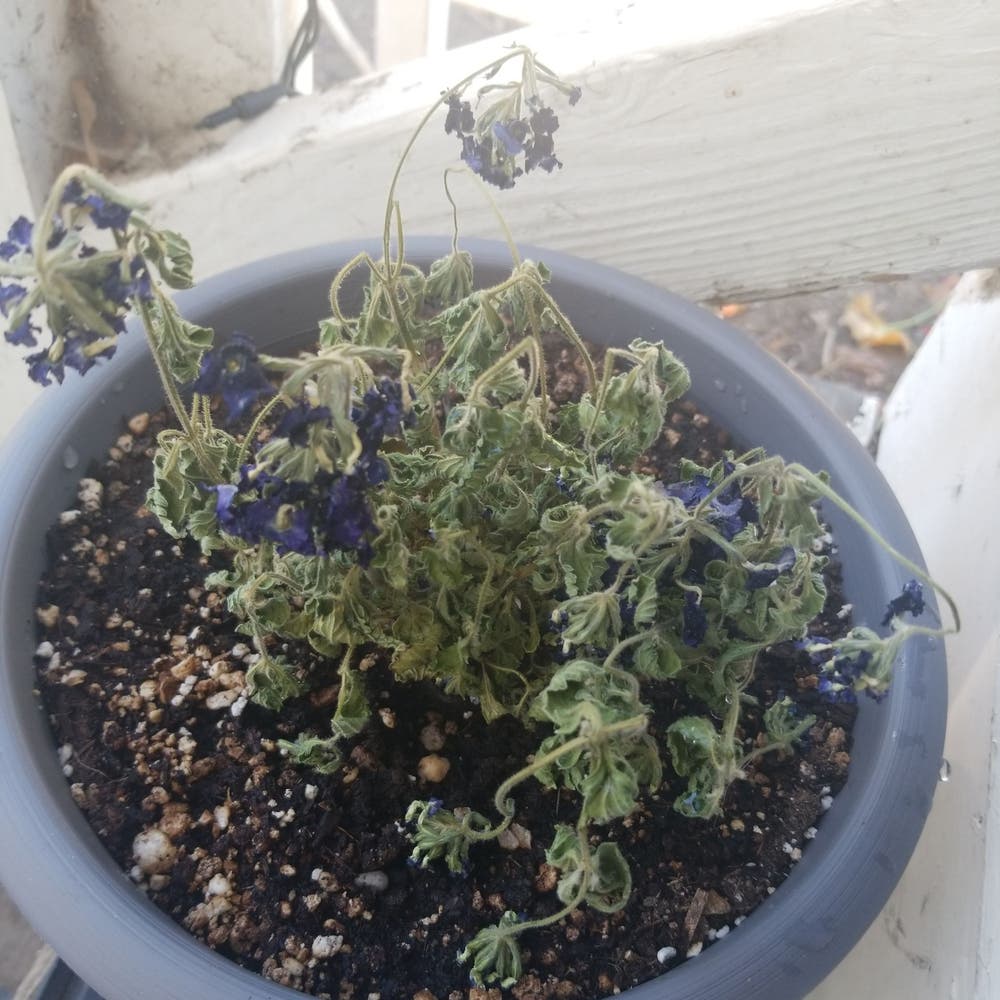
🌸 9 Tips for Blooming Your Homestead Purple Verbena
Verbena 'Homestead Purple'
By the Greg Editorial Team
Aug 27, 2024•5 min read
This article was created with the help of AI so we can cover more plants for you. May contain errors. See one? Report it here.
Transform your garden with vibrant Homestead Purple Verbena blooms that thrive effortlessly! 🌼
- 🌸 Homestead Purple Verbena blooms vibrantly from late spring to fall, enhancing gardens.
- ☀️ Full sun and consistent moisture are crucial for optimal blooming and health.
- 🐝 Attracts pollinators while being self-pollinating, boosting garden biodiversity.
Flowering Status
🌸 Clarification on Flowering Status
Homestead Purple Verbena is a vibrant bloomer, typically showcasing its stunning flowers from late spring through fall. Its ability to produce blooms continuously throughout the growing season makes it a favorite in many gardens.
🚫 Explanation of Non-Flowering Characteristics
If you notice a lack of flowers, it’s likely due to environmental stressors or improper care rather than the plant being non-flowering. Factors like inadequate sunlight or poor soil can hinder its blooming potential, so keep an eye on those conditions.
Flower Characteristics
Description of Flower Colors and Structure 🌸
Homestead Purple Verbena is celebrated for its vibrant purple flowers, which can occasionally showcase subtle variations in hue. These flowers cluster together to form striking flower spikes, creating a dense and visually appealing display.
The individual flowers are approximately 1 inch in diameter, making them a charming addition to any garden. Their compact size allows for a lush, full appearance that can brighten up any landscape.
Self-Pollination vs. External Pollination 🐝
This plant is primarily self-pollinating, which means it can produce seeds without needing another plant. However, it also welcomes external pollinators, like bees and butterflies, enhancing its reproductive success.
Encouraging these pollinators can lead to even more vibrant blooms, making your garden a lively, buzzing space. By understanding these characteristics, you can appreciate the unique beauty and resilience of Homestead Purple Verbena.
With this knowledge, you're well-equipped to nurture these stunning flowers and enjoy their vibrant display throughout the growing season. Next, let's explore the blooming process in detail.
Blooming Process
🌱 Stages of Blooming
The blooming process of Homestead Purple Verbena begins with bud formation, where tiny flower buds start to develop. This initial stage is crucial as it sets the stage for the vibrant display to come.
As the buds mature, they transition through various blooming stages over a period of 2-3 weeks. You'll notice the buds swelling, changing color, and eventually opening fully, revealing their stunning purple hues.
⏳ Typical Bloom Time and Duration from Bud to Full Bloom
Typically, Homestead Purple Verbena blooms from late spring to fall, with its peak blooming occurring in the summer months. From the moment buds form, expect about 2-3 weeks until they reach full bloom.
🌼 Lifespan of Flowers
Once in bloom, individual flowers usually last 1-2 weeks before wilting. Their lifespan can be influenced by several factors, including environmental conditions like temperature and humidity, as well as the overall health of the plant.
Understanding these stages and factors can help you better appreciate the beauty of your Homestead Purple Verbena and ensure it thrives throughout the growing season.
As we explore ways to encourage more blooms, keep these blooming characteristics in mind to maximize your garden's potential.
Encouraging Blooms
🌼 Tips for Promoting Blooming
To keep your Homestead Purple Verbena blooming beautifully, regular deadheading is essential. By removing spent flowers, you encourage the plant to produce new blooms, extending its flowering season.
Fertilization also plays a key role. Using a balanced fertilizer during the growing season can significantly boost flowering, ensuring your garden stays vibrant.
Watering is another critical factor. Aim to maintain consistent moisture without overwatering, as this balance is vital for healthy blooms.
🌞 Factors Influencing Flowering
Sunlight is crucial for optimal blooming. Ensure your Verbena receives full sun exposure for 6-8 hours daily to maximize its flowering potential.
Soil quality cannot be overlooked. Well-drained, fertile soil enhances flower production, providing the nutrients your plant needs to thrive.
Temperature is equally important. The ideal range for blooming is between 70°F to 85°F (21°C to 29°C), so keep an eye on those weather conditions.
With these tips and factors in mind, you can create the perfect environment for your Homestead Purple Verbena to flourish. Next, let’s explore what happens to the plant after its stunning blooms fade.
Post-Flowering Care
What Happens After Flowering 🌱
Once the flowering period ends, Homestead Purple Verbena may enter a dormancy phase, particularly in cooler climates. This is a natural part of its life cycle, and understanding this phase is crucial for maintaining plant health.
Continued care during dormancy is essential. Regular monitoring and appropriate maintenance can help ensure the plant remains healthy and ready to bloom again when the season changes.
Discussion on Whether the Plant Dies After Flowering 🌼
Rest assured, Homestead Purple Verbena does not die after flowering; it’s a resilient perennial that returns each season. Its ability to regenerate makes it a reliable choice for gardeners looking for longevity in their blooms.
Understanding the plant's life cycle is key. After the flowering phase, it conserves energy and prepares for the next growing season, ensuring vibrant blooms year after year.
Unique Aspects
🌸 Unusual Characteristics Related to Flowering
Homestead Purple Verbena stands out for its remarkable drought tolerance. This hardy plant thrives even in poor soil conditions, making it a resilient choice for various garden settings.
Its sprawling growth habit creates a lush ground cover effect. This not only enhances garden aesthetics but also helps suppress weeds, making it a practical addition to any landscape.
🐝 Trivia About Reproductive Strategies and Life Cycle
One fascinating aspect of Homestead Purple Verbena is its ability to self-pollinate. This trait allows it to flourish in diverse environments, ensuring that it can adapt and thrive wherever planted.
Gardeners love this plant for its resilience and low-maintenance nature. Its adaptability makes it a favorite choice for those seeking vibrant blooms without the fuss.
As you explore the unique qualities of this plant, consider how its characteristics can enhance your garden. Next, let’s dive into the post-flowering care to keep your Verbena thriving!
⚠️ Safety First
This content is for general information and may contain errors, omissions, or outdated details. It is not medical, veterinary advice, or an endorsement of therapeutic claims.
Always consult a qualified healthcare professional before using any plant as food, medicine, or supplement.
Never eat any plant (or feed one to pets) without confirming its identity with at least two trusted sources.
If you suspect poisoning, call Poison Control (800) 222-1222, the Pet Poison Helpline (800) 213-6680, or your local emergency service immediately.
Spotted an error? Please report it here.
Keep your Homestead Purple Verbena blooming brilliantly 🌸 with Greg's tailored care reminders for sunlight, moisture, and deadheading to enjoy vibrant colors all season long!