💧 Ultimate Guide to Root Rot in Homestead Purple Verbena
Verbena 'Homestead Purple'
By the Greg Editorial Team
Aug 27, 2024•5 min read
This article was created with the help of AI so we can cover more plants for you. May contain errors. See one? Report it here.
Revive your Homestead Purple Verbena and prevent root rot with these essential care tips! 🌿✨
- 🌱 Key symptoms of root rot include yellowing leaves, wilting, and dark, mushy roots.
- 🕵️♂️ Inspect roots gently for decay; avoid damaging healthy parts during removal.
- 💧 Prevent root rot by ensuring well-draining soil and proper watering practices.
Identifying Symptoms
Visual signs of root rot 🌱
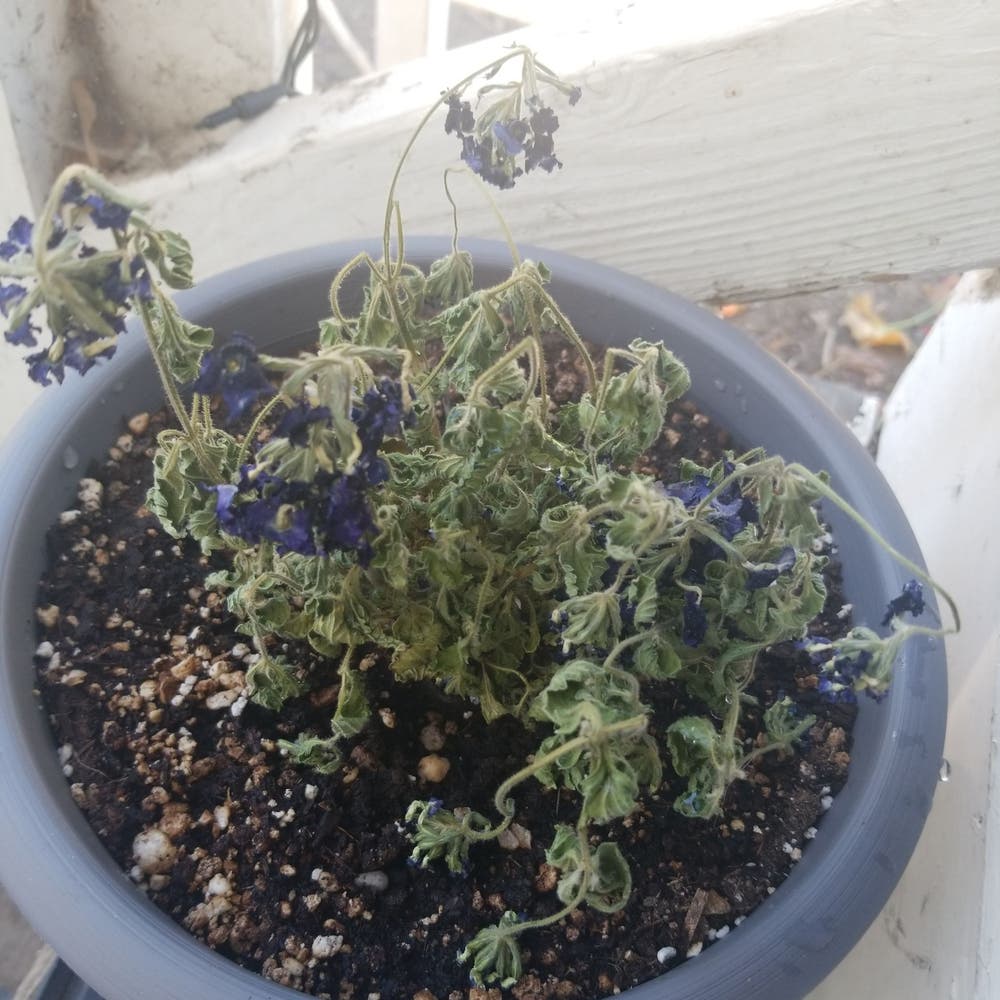
Root rot can manifest through several visual symptoms. Yellowing leaves are often the first sign, indicating stress and potential root issues.
Another common symptom is wilting. Even with adequate watering, the plant may appear droopy, suggesting that the roots are struggling to absorb moisture.
Stunted growth is another red flag. If your Homestead Purple Verbena lacks vigor and new growth, it may be time to investigate the roots.
Finally, dark, mushy roots are a clear indicator of decay. Inspecting the root system can reveal the extent of the problem.
How to check roots for rot 🔍
Checking for root rot is straightforward.
Gently remove the plant from its pot or garden bed. This step is crucial to avoid further damage.
Inspect the root system closely:
- Look for dark, mushy, or slimy roots, which indicate rot.
- Healthy roots should be white or light tan and firm to the touch.
Assess the soil around the roots:
- Check for excessive moisture, which can lead to rot.
- Look for compacted areas that may restrict root growth.
By recognizing these symptoms and knowing how to check for root rot, you can take proactive steps to ensure your plants thrive. This awareness sets the stage for effective prevention and treatment, which we will explore next.
Preventing Root Rot
🌱 Importance of Soil Drainage
Well-draining soil is crucial for preventing water accumulation around roots. Without it, your Homestead Purple Verbena is at risk of developing root rot.
Recommended soil types include sandy loam or potting mixes specifically designed for container gardening. These options allow excess water to escape, keeping roots healthy and happy.
💧 Best Watering Practices
To maintain optimal moisture levels, allow the top inch of soil to dry out before watering again. This simple practice can significantly reduce the risk of root rot.
When you do water, aim to do so deeply but infrequently. This encourages deep root growth and resilience. Additionally, avoid watering in the evening to minimize moisture retention overnight, which can lead to problems.
🏺 Choosing the Right Soil Mix
A good soil mix is essential for your plant's health. Aim for a blend that consists of 50% potting soil or garden soil, 25% perlite or coarse sand for aeration, and 25% organic matter, like compost, for nutrients.
Don't overlook the importance of pH. For optimal growth, keep it between 6.0 and 7.0. This balance ensures your Homestead Purple Verbena thrives without the threat of root rot.
By implementing these preventive measures, you can create a thriving environment for your plants. Next, let’s explore how to treat root rot if it does occur.
Treating Root Rot
🛠️ Step-by-step treatment process
Treating root rot can be a straightforward process if you follow these steps carefully.
- Remove the affected plant from the soil. Gently lift it out to avoid further damage.
- Trim away all rotten roots using sterilized scissors. This helps prevent the spread of decay.
- Disinfect the remaining healthy roots with a fungicide solution. This step is crucial for protecting the plant.
- Repot in fresh, well-draining soil. Choose a mix that promotes drainage to prevent future issues.
- Water sparingly for the first few weeks to avoid re-infection. This allows the plant to recover without over-saturating the soil.
🚫 When to remove affected plants
Sometimes, despite your best efforts, a plant may be too far gone.
- Signs of severe rot: If more than 50% of the root system is damaged, consider disposal. It’s tough, but sometimes it’s the best choice for your garden.
- Timing: Early spring or fall is ideal for removal. This minimizes disruption to your garden's ecosystem.
🧪 Recommended fungicides or treatments
Choosing the right treatment can make all the difference in recovery.
- Chemical options: Look for products containing azoxystrobin or propiconazole. These are effective in combating root rot.
- Organic alternatives: Consider using neem oil or beneficial fungi like Trichoderma. These options are gentler on the environment while still effective.
By following these steps and recommendations, you can give your Homestead Purple Verbena a fighting chance against root rot. Next, let’s explore how to monitor plant health to ensure ongoing vitality.
Monitoring Plant Health
🌱 Regular checks for root rot
To keep your Homestead Purple Verbena thriving, schedule regular inspections every 1-2 weeks. Pay special attention during wet seasons, as this is when root rot is most likely to develop.
Look for changes in leaf color, wilting, or unusual growth patterns. These indicators can signal that your plant is struggling and may need immediate attention.
🌿 Signs of recovery after treatment
After treating root rot, monitor for new root growth. Healthy roots should appear white and firm, indicating that your plant is on the mend.
You should also notice improved foliage; leaves will regain their color and firmness. Finally, keep an eye out for fresh shoots or flowers, which are clear signs that your plant is recovering well.
By staying vigilant and responsive, you can help your Homestead Purple Verbena flourish, ensuring it remains a vibrant part of your garden. Next, we’ll explore effective treatments for root rot to help you tackle this issue head-on.
⚠️ Safety First
This content is for general information and may contain errors, omissions, or outdated details. It is not medical, veterinary advice, or an endorsement of therapeutic claims.
Always consult a qualified healthcare professional before using any plant as food, medicine, or supplement.
Never eat any plant (or feed one to pets) without confirming its identity with at least two trusted sources.
If you suspect poisoning, call Poison Control (800) 222-1222, the Pet Poison Helpline (800) 213-6680, or your local emergency service immediately.
Spotted an error? Please report it here.
Keep your Homestead Purple Verbena thriving 🌿 by using Greg's tailored care reminders and soil assessments to prevent root rot and promote healthy growth!