Best Tips for Healthy Homestead Purple Verbena Roots 💧
Verbena 'Homestead Purple'
By the Greg Editorial Team
Aug 27, 2024•6 min read
This article was created with the help of AI so we can cover more plants for you. May contain errors. See one? Report it here.
Master purple verbena's root system 🌱 for vibrant blooms and resilient growth in your garden!
- 🌱 Healthy roots are vital for purple verbena's stability and nutrient access.
- 💧 Well-draining soil and deep watering prevent root rot and promote growth.
- 🌿 Monitor root health by checking for wilting or discoloration to ensure vitality.
Root System Characteristics
🌱 Type of Root System
Purple verbena boasts a fibrous root system that plays a crucial role in its growth and stability.
These roots are characterized by extensive lateral roots that spread horizontally, allowing the plant to anchor itself securely in the soil.
🌍 Deep Penetration and Adaptability
The roots can penetrate deep into the soil, which is essential for accessing nutrients and water.
This adaptability enables purple verbena to thrive in various soil types and conditions, making it a resilient choice for gardeners.
Understanding these root characteristics is vital for ensuring healthy growth and maximizing the plant's potential.
With a solid foundation, purple verbena can flourish, setting the stage for vibrant blooms and lush foliage.
Next, we’ll explore the root growth patterns that further influence how to care for this beautiful plant.
Root Growth Patterns
Depth and Spread 🌱
The root system of Purple Verbena can reach impressive depths of up to 24 inches (60 cm) under optimal conditions. Its roots can spread 2-3 feet (60-90 cm) wide, making space a crucial factor for healthy growth.
Implications for Care 🧑🌾
To accommodate this extensive root system, ensure your plants have adequate space. Well-draining soil is essential to prevent root rot, allowing the roots to thrive without waterlogging.
Growth Patterns and Care Considerations 🌿
Purple Verbena establishes rapidly in its first growing season, making it a rewarding choice for gardeners. Its resilience means it can bounce back quickly from stress factors, such as drought or nutrient deficiencies.
Care Considerations 💧
Regularly monitor soil moisture levels to keep your plants healthy. Adjust your care practices based on observed growth patterns to ensure optimal development and vitality.
With a solid understanding of root growth patterns, you can better support your Purple Verbena’s health and productivity. Next, let’s explore the watering and fertilizing needs that will further enhance its growth.
Watering and Fertilizing
💧 Watering Needs
Watering your purple verbena is crucial for its health. Aim for deep watering every 1-2 weeks, adjusting based on soil moisture.
Deep roots are a game changer in drought conditions. They can access moisture from lower soil layers, making your plants more resilient.
🌱 Fertilizing Techniques
For optimal growth, use a balanced NPK fertilizer, like 10-10-10, during the growing season. Fertilize every 4-6 weeks to support robust root development.
Be cautious with fertilizer amounts. Over-fertilization can lead to root burn, which can harm your plants.
Understanding these watering and fertilizing needs will set your purple verbena up for success. Next, let’s explore common root issues and how to tackle them effectively.
Common Root Issues
Identifying Problems 🌱
Root health is vital for the overall success of your purple verbena. Common issues include root rot, often caused by overwatering, and nutrient deficiencies stemming from compacted soil.
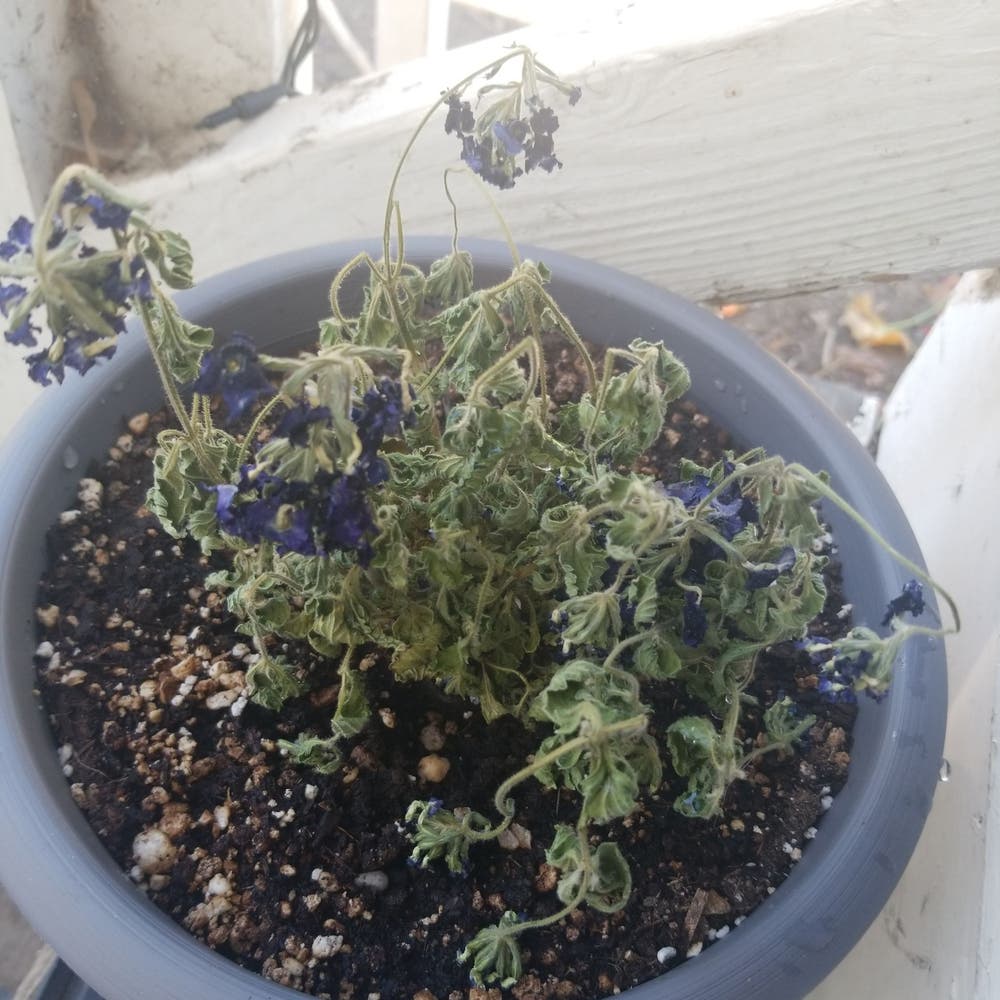
Signs of trouble are usually evident. If your plants are wilting despite regular watering or showing yellowing leaves and stunted growth, it’s time to investigate further.
Prevention and Solutions 🛠️
Preventing root issues starts with good practices. Ensure your soil and pots drain well to avoid excess moisture, and aerate the soil regularly to prevent compaction.
If problems arise, adjust your watering schedule based on environmental conditions. Incorporating organic amendments can also improve soil structure, promoting healthier roots and stronger plants.
By staying vigilant and proactive, you can keep your purple verbena thriving and vibrant. Next, let’s explore how to identify indicators of root health to ensure your plants are on the right track.
Indicators of Root Health
Visual Cues 🌱
Healthy roots are a gardener's delight. Look for roots that are white or light tan in color, with a firm texture and plenty of fine roots, indicating vitality.
Conversely, unhealthy roots present a stark contrast. Dark brown or black roots that feel mushy often signal rot, accompanied by a foul odor that’s hard to ignore.
Other Indicators 🌿
Beyond the roots, the overall vigor of your plant speaks volumes. Lush foliage and abundant flowering are clear signs that the roots are thriving.
Soil moisture levels also play a crucial role. Aim for consistent moisture without waterlogging, as this balance is essential for root health.
By keeping an eye on these indicators, you can ensure your purple verbena thrives, setting the stage for robust growth and beautiful blooms.
Next, let’s explore how to identify and address common root issues that might arise.
Rootbound Plants
Definition and Recognition 🌱
Rootbound plants are those whose roots grow in a circular pattern within their pots, leading to restricted growth. You can spot a rootbound plant by looking for roots emerging from the drainage holes or noticing stunted growth and wilting, even when you’re providing adequate care.
Addressing Rootbound Issues 🔧
Intervention is crucial when you see roots visibly crowded or if growth stagnates. The best solution is to repot the plant into a larger container filled with fresh soil, giving it the space it needs to thrive.
If necessary, consider pruning the roots to encourage new growth. This can help rejuvenate the plant and promote a healthier root system.
Recognizing and addressing rootbound issues promptly can make a significant difference in your plant's health. With the right care, your homestead purple verbena can flourish beautifully!
Propagation and Division
🌱 Importance of Root Health
Healthy roots are essential for successful propagation and division of Purple Verbena. Strong roots ensure that new plants can thrive and establish themselves quickly.
To maintain root health during propagation, use clean, sharp tools. This minimizes damage and promotes faster healing. Additionally, providing adequate moisture and nutrients after propagation is crucial for recovery and growth.
✂️ Techniques for Dividing and Propagating
Division Method
The best time to divide Purple Verbena is during spring or fall. Carefully separate clumps to ensure each division has enough roots and foliage to support growth.
Propagation from Cuttings
For propagation, take 4-6 inch cuttings from healthy plants. Root these cuttings in a well-draining medium, ensuring consistent moisture to encourage strong root development.
By following these techniques, you can successfully propagate and divide your Purple Verbena, ensuring a vibrant and healthy garden. This not only enhances your garden's beauty but also allows you to share these lovely plants with friends and family.
Next, let’s explore how to identify and address common root issues that can affect your plants.
⚠️ Safety First
This content is for general information and may contain errors, omissions, or outdated details. It is not medical, veterinary advice, or an endorsement of therapeutic claims.
Always consult a qualified healthcare professional before using any plant as food, medicine, or supplement.
Never eat any plant (or feed one to pets) without confirming its identity with at least two trusted sources.
If you suspect poisoning, call Poison Control (800) 222-1222, the Pet Poison Helpline (800) 213-6680, or your local emergency service immediately.
Spotted an error? Please report it here.
Nurture your homestead purple verbena's roots for vibrant blooms 🌼 with Greg's personalized watering reminders and soil moisture tracking to keep them thriving!