🌸 When and How to Repot Homestead Purple Verbena
Verbena 'Homestead Purple'
By the Greg Editorial Team
Aug 27, 2024•5 min read
This article was created with the help of AI so we can cover more plants for you. May contain errors. See one? Report it here.
Revitalize your Homestead Purple Verbena's growth by recognizing repotting signs and mastering the process! 🌱✨
- 🌱 Signs to repot: Look for roots out of drainage holes or stunted growth.
- 🪴 Healthy roots should be white and firm; trim damaged ones before repotting.
- 💧 Water thoroughly after repotting to settle soil and prevent transplant shock.
Signs That It's Time to Repot
🌱 Indicators of Root-Bound Conditions
If you notice roots growing out of the drainage holes, it's a clear sign your Homestead Purple Verbena is root-bound. Additionally, visible roots on the soil surface indicate that the plant is outgrowing its space.
Stunted growth, even with proper care, is another red flag. If your plant seems to be struggling despite your best efforts, it’s time to consider repotting.
🚨 Other Signs of Stress
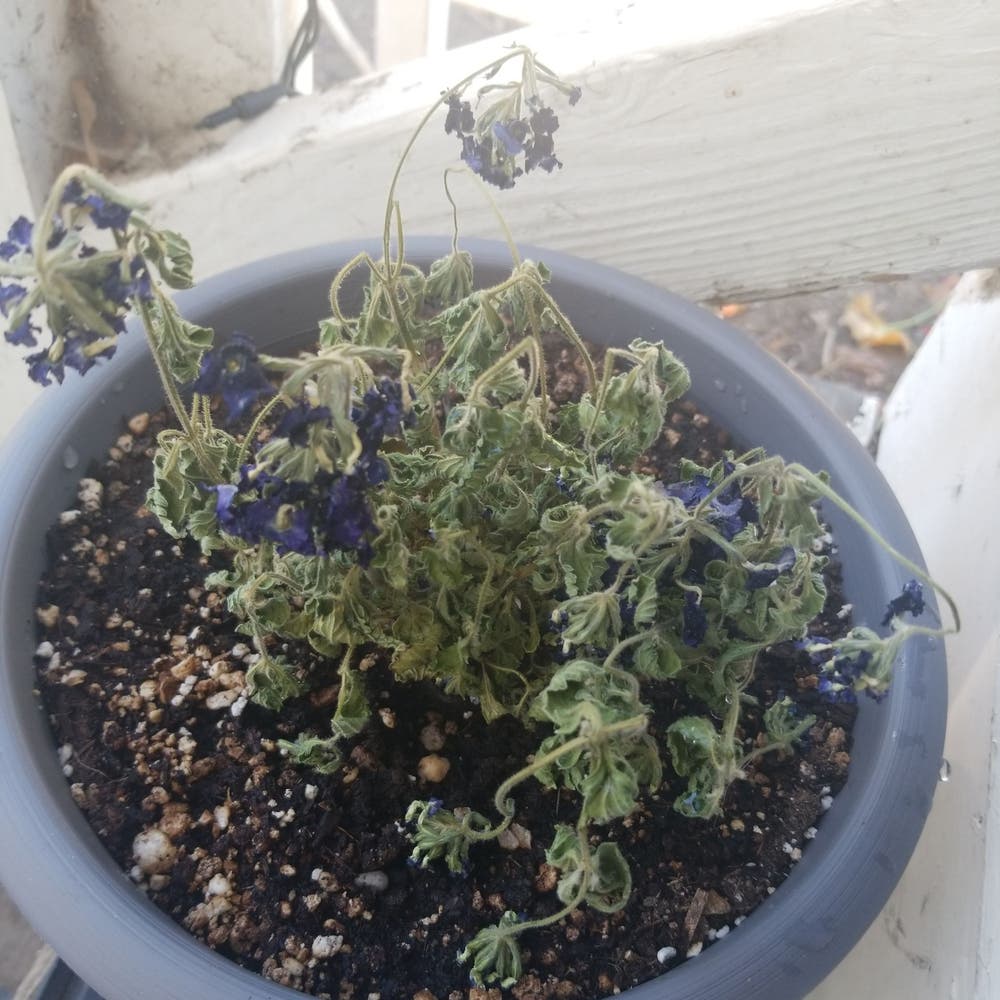
Wilting or yellowing leaves can signal that your plant is under stress. These symptoms often indicate that the roots are not able to absorb enough water or nutrients.
Reduced flowering or poor overall vigor also points to potential issues. If the soil dries out too quickly after watering, your Verbena may be signaling that it needs more room to thrive.
Recognizing these signs early can help you take action, ensuring your plant remains healthy and vibrant. Next, let’s explore how to assess root health before making the move to repot.
Assessing Root Health Before Repotting
Checking Root Condition 🌱
Before repotting your Homestead Purple Verbena, it's crucial to assess the root health. Start by gently removing the plant from its current pot, taking care not to damage the roots.
Inspect the roots closely. Healthy roots should be white and firm, indicating vitality. In contrast, unhealthy roots appear brown, mushy, or overly compacted, signaling that it's time for a change.
Pruning Damaged Roots ✂️
If you find any damaged roots, it's essential to prune them for the plant's overall health. Use clean, sharp scissors to make precise cuts.
Remove any dead or damaged roots to encourage healthy growth. This simple step can significantly enhance your plant's recovery and vigor after repotting.
By ensuring your Verbena's roots are in good shape, you're setting the stage for a successful repotting experience. Next, let’s explore how to choose the right pot for your plant.
Choosing the Right Pot
Choosing the right pot for your Homestead Purple Verbena is crucial for its health and growth. The material and size of the pot can significantly impact the plant's well-being.
🏺 Recommended Pot Materials
Ceramic Pots
Ceramic pots are visually appealing and provide good insulation for roots. However, they can be heavy and may crack in freezing temperatures, so consider your climate.
Plastic Pots
Plastic pots are lightweight and affordable, making them a popular choice. They offer good drainage options but can heat up quickly in direct sunlight, which might stress your plant.
Terracotta Pots
Terracotta pots excel in drainage and are made from breathable material, promoting healthy root growth. On the downside, they can dry out quickly and become heavy when filled with soil.
📏 Size Considerations for Pots
When selecting a pot, aim for one that is at least 2 inches larger in diameter than the current pot. This extra space allows for root expansion, which is essential for the plant's growth and stability.
Depth is equally important; ensure the pot is deep enough to accommodate the roots without crowding. A well-chosen pot will set your Homestead Purple Verbena up for success, allowing it to thrive in its new environment.
As you prepare to repot, keep these considerations in mind to ensure a smooth transition for your plant. Next, we’ll dive into the step-by-step process of repotting.
Repotting Process ((difficulty:moderate))
📝 Step-by-Step Guide to Repotting
Repotting your Homestead Purple Verbena can seem daunting, but it’s a straightforward process. Start by gathering your materials: a new pot, potting soil, pruning shears, and a watering can.
Next, gently remove the plant from its current pot. For plastic pots, squeeze the sides; for terracotta, a light tap will do the trick.
🔍 Inspecting and Pruning Roots
Once the plant is out, inspect the roots. Trim any damaged or unhealthy roots to encourage new growth.
🥣 Preparing the New Pot
Now, prepare your new pot by adding a layer of potting soil to the bottom. This base will support your plant as it settles in.
📍 Positioning the Plant
Position the plant in the center of the new pot. Fill in around the root ball with soil, ensuring it sits level with the pot rim.
💧 Watering Thoroughly
After filling, water the plant thoroughly. This helps settle the soil and eliminates air pockets.
🤲 Handling Roots During Repotting
Be gentle when handling the roots to avoid damage. Loosen any tightly bound roots to encourage them to grow outward.
🚰 Importance of Proper Drainage
Proper drainage is crucial for your plant's health. Ensure the drainage holes are clear and use a potting mix designed for good drainage to prevent root rot.
With these steps, your Homestead Purple Verbena will be ready to thrive in its new home. Next, let’s explore how to care for your plant after repotting to ensure a smooth transition.
Post-Repotting Care
💧 Watering Schedule After Repotting
After repotting your Homestead Purple Verbena, start with an initial thorough soak of the soil. This helps settle the roots and ensures they have immediate access to moisture.
For follow-up watering, check the top inch of soil. Water only when it feels dry to the touch, preventing overwatering and root rot.
☀️ Light Requirements Post-Repotting
Your verbena thrives on full sun exposure, needing 6-8 hours of sunlight daily for optimal recovery. However, avoid placing it in direct harsh sunlight right after repotting to minimize stress.
Gradually reintroduce it to full sun conditions as it adjusts to its new home.
👀 Monitoring for Transplant Shock
Keep an eye out for signs of transplant shock, which can include wilting, leaf drop, or slowed growth. These symptoms are normal but require your attention.
To help your plant recover, maintain consistent care and avoid overwatering during this adjustment period. With the right conditions, your verbena will bounce back and flourish in no time.
⚠️ Safety First
This content is for general information and may contain errors, omissions, or outdated details. It is not medical, veterinary advice, or an endorsement of therapeutic claims.
Always consult a qualified healthcare professional before using any plant as food, medicine, or supplement.
Never eat any plant (or feed one to pets) without confirming its identity with at least two trusted sources.
If you suspect poisoning, call Poison Control (800) 222-1222, the Pet Poison Helpline (800) 213-6680, or your local emergency service immediately.
Spotted an error? Please report it here.
Repotting your Homestead Purple Verbena is crucial for its thriving health 🌿, and with Greg's tailored care reminders, you'll ensure it flourishes in its new pot!