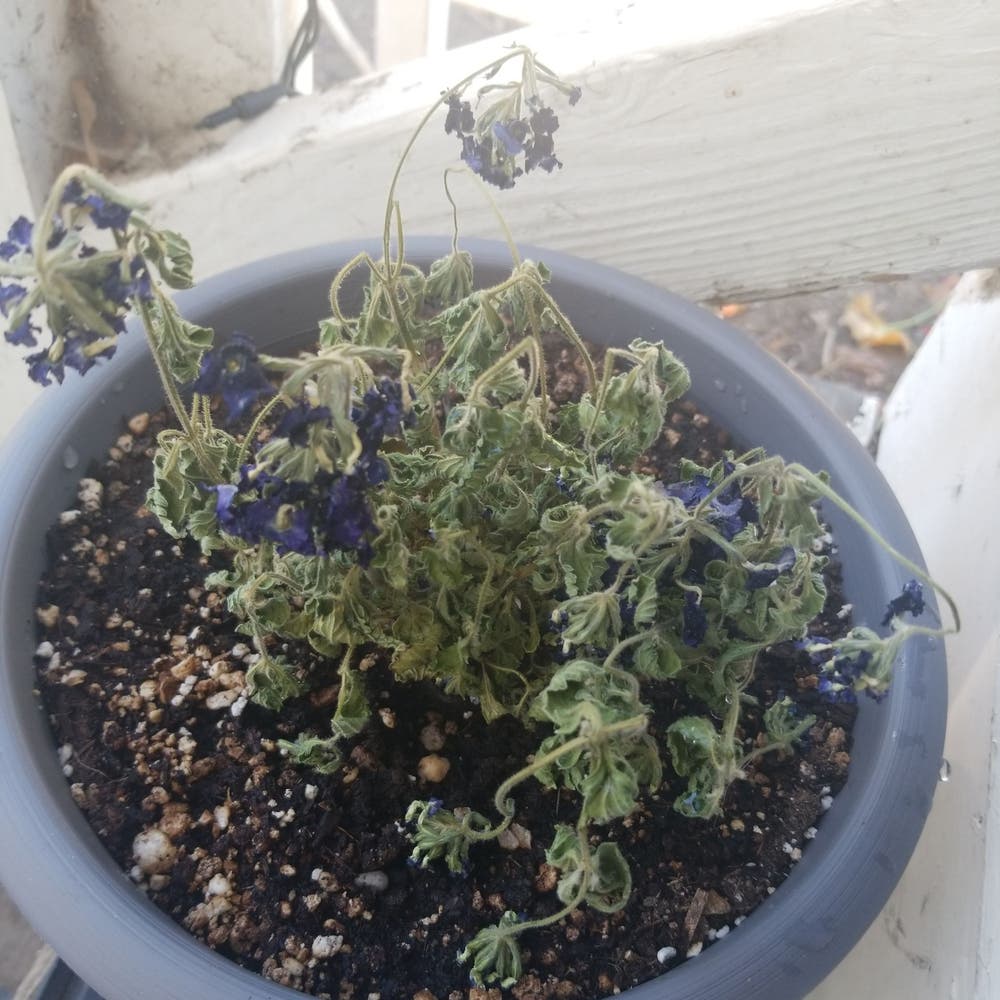
🌸 Homestead Purple Verbena Is Not an Annual
Verbena 'Homestead Purple'
By the Greg Editorial Team
Aug 27, 2024•5 min read
This article was created with the help of AI so we can cover more plants for you. May contain errors. See one? Report it here.
Elevate your garden with Homestead Purple Verbena 🌸, a resilient perennial that thrives and attracts pollinators all season long!
- 🌼 Homestead Purple Verbena is a perennial, thriving for years, not just one season.
- 🌱 Deep roots and robust traits help it flourish in various environments.
- 🐝 Attracts pollinators with multiple blooms, enhancing garden biodiversity.
Homestead Purple Verbena as a Perennial
🌱 Genetic Characteristics
Homestead Purple Verbena, scientifically known as Verbena bonariensis, is classified as a perennial. This classification stems from its unique genetic traits, which are finely tuned for long-term survival in various environments.
These adaptations include a robust genetic makeup that allows it to thrive in diverse conditions, ensuring it can endure seasonal changes and environmental stresses.
🌿 Physiological Traits Supporting Perennial Classification
One of the standout features of Homestead Purple Verbena is its deep root system. This extensive network allows the plant to access water and nutrients efficiently, making it resilient during dry spells.
Additionally, its sprawling growth habit contributes to its hardiness. This characteristic not only helps the plant cover ground but also supports its ability to withstand adverse conditions.
⏳ Long-Term Lifecycle and Growth Patterns
In suitable conditions, Homestead Purple Verbena can live for several years, showcasing its perennial nature. Its lifecycle is marked by active growth during the spring and summer months, followed by a period of dormancy in winter.
This seasonal rhythm allows the plant to conserve energy and resources, ensuring it returns each year, ready to bloom anew. Understanding these patterns can help gardeners appreciate the longevity and beauty of this remarkable plant.
Lifecycle Comparison
🌱 Reproductive Strategies
Homestead Purple Verbena primarily reproduces through vegetative propagation. This means it spreads via runners, creating new plants that maintain the genetic traits of the parent.
While it can produce seeds, self-seeding is not its main strategy. This reliance on runners allows it to thrive in various conditions without depending heavily on seed production.
🌼 Differences in Flowering and Seed Production Compared to Annuals
One of the standout features of Homestead Purple Verbena is its ability to bloom multiple times throughout the growing season. This continuous flowering not only adds vibrant color to gardens but also attracts pollinators.
In contrast to annuals, which often focus on producing seeds, Verbena places less emphasis on this aspect. Its strategy allows for a longer display of blooms, enhancing the garden's overall aesthetic.
As we explore the regional variations and misconceptions surrounding this plant, it’s essential to understand how its lifecycle can be misinterpreted.
Regional Variations and Misconceptions
Conditions Leading to Misclassification as an Annual 🌱
Homestead Purple Verbena often gets misclassified as an annual due to harsh winters. In colder climates, it may die back completely, leading gardeners to believe it can't survive year after year.
Poor soil conditions can also stunt its growth and survival. If the soil lacks nutrients or drainage, the plant struggles, reinforcing the misconception that it's not a perennial.
Geographic Factors Affecting Classification 🌍
Understanding USDA hardiness zones is crucial for recognizing the true nature of Homestead Purple Verbena. This plant thrives in zones 7-10, where conditions are more favorable for its growth.
Climate plays a significant role in how Verbena performs. Variability in local weather can influence its resilience, making it appear more like an annual in less-than-ideal conditions.
Common Misconceptions About Its Lifecycle 🤔
Many people misunderstand the difference between perennial and annual plants. This confusion often leads to the belief that Homestead Purple Verbena cannot survive in certain climates.
Additionally, there's a widespread notion that this plant is fragile. In reality, with the right care, it can flourish and thrive, proving its perennial nature.
As we explore garden design and planning next, consider how understanding these misconceptions can enhance your gardening experience.
Garden Design and Planning
🎉 Advantages in Perennial Gardens
Homestead Purple Verbena is a fantastic addition to perennial gardens. It attracts pollinators like bees and butterflies, enhancing biodiversity in your garden.
These vibrant blooms provide long-lasting color, extending the flowering season and creating a visually stunning landscape. Imagine a garden that bursts with life from spring through fall!
🌱 Tips for Integrating into Garden Design
When planning your garden, consider companion planting. Homestead Purple Verbena pairs beautifully with other perennials, creating a harmonious ecosystem.
Spacing is crucial for this sprawling plant. Ensure you allow enough room for its growth to prevent overcrowding and promote healthy development.
Maximizing Longevity
Best Practices for Management 🌱
To ensure your Homestead Purple Verbena thrives, start with soil preparation. Aim for well-draining, nutrient-rich soil to support robust growth.
Next, focus on watering techniques. Deep watering encourages the development of a strong root system, essential for long-term survival.
Tips for Seasonal Care 🌸
Pruning is key for encouraging bushier growth and more blooms. Regularly trim back the plant to promote a fuller appearance.
When it comes to fertilization, timing and type matter. Use a balanced fertilizer during the growing season to keep your Verbena healthy and vibrant.
Common Challenges and Solutions 🐞
Pest management can be a concern. Identify common pests like aphids or spider mites early and take action to control them effectively.
For disease prevention, maintain plant health through good practices. Ensure proper spacing and air circulation to minimize the risk of fungal infections.
With these strategies, your Homestead Purple Verbena will flourish, bringing beauty and resilience to your garden. Next, let's explore how to integrate this perennial into your garden design effectively.
⚠️ Safety First
This content is for general information and may contain errors, omissions, or outdated details. It is not medical, veterinary advice, or an endorsement of therapeutic claims.
Always consult a qualified healthcare professional before using any plant as food, medicine, or supplement.
Never eat any plant (or feed one to pets) without confirming its identity with at least two trusted sources.
If you suspect poisoning, call Poison Control (800) 222-1222, the Pet Poison Helpline (800) 213-6680, or your local emergency service immediately.
Spotted an error? Please report it here.
Embrace the hardiness of Homestead Purple Verbena 🌼 by using Greg's tailored care reminders to help your perennial thrive beautifully in your garden!