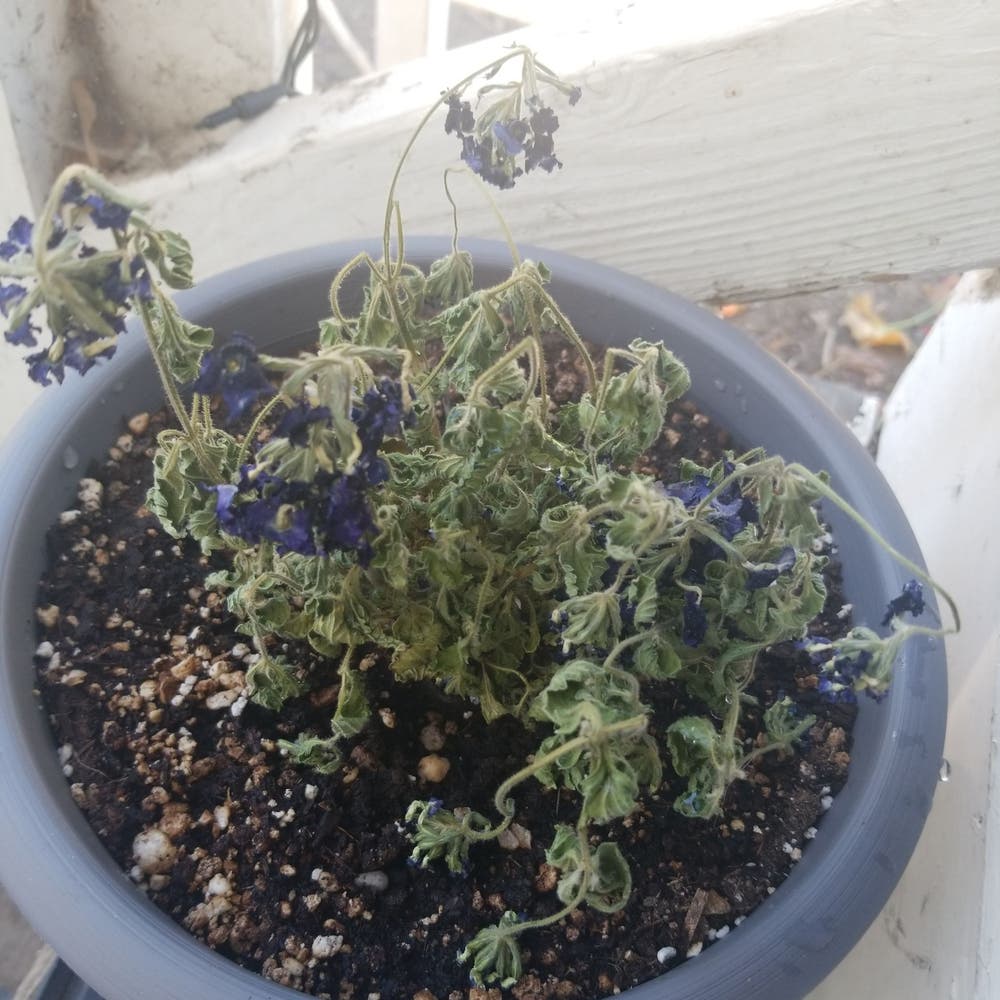
🌸 Why Your Homestead Purple Verbena Leaves Are Falling Over
Verbena 'Homestead Purple'
By the Greg Editorial Team
Aug 27, 2024•6 min read
This article was created with the help of AI so we can cover more plants for you. May contain errors. See one? Report it here.
Transform your Homestead Purple Verbena into a vibrant centerpiece with these expert care tips! 🌿
- 🌱 Identify symptoms early: yellowing, wilting, and curling leaves indicate issues.
- 💧 Maintain soil moisture: use the finger test to ensure proper hydration.
- ☀️ Provide 6-8 hours of sunlight daily to prevent leggy growth and leaf drop.
Diagnosing the Problem
🕵️♂️ Identifying Symptoms of Leaf Drop
When your Homestead Purple Verbena starts dropping leaves, it’s crucial to identify the symptoms early. Look for common signs like yellowing, wilting, and curling leaves, as these can indicate underlying issues.
Observing changes over time is essential. Regularly check your plants to catch any problems before they escalate.
💧 Assessing Soil Moisture Levels
Soil moisture is a key factor in plant health. Use simple techniques like the finger test—just stick your finger into the soil to see if it feels dry—or a moisture meter for a more precise reading.
Homestead Purple Verbena thrives in well-drained soil that is moist but not soggy. Aim for a balance to keep your plants happy.
🐛 Checking for Pests and Diseases
Pests and diseases can wreak havoc on your Verbena. Conduct a visual inspection, looking closely at the leaves and stems for any signs of pests like aphids or spider mites.
Fungal infections and root rot can also be problematic. Watch for discolored leaves or a foul smell from the soil, which can indicate these issues.
☀️ Evaluating Sunlight Exposure
Sunlight is vital for healthy Verbena growth. Ideally, your plants should receive full sun for 6-8 hours daily to flourish.
If you notice leggy growth or leaf drop, it may be a sign of inadequate sunlight. Consider relocating your plants or trimming back surrounding foliage to improve light exposure.
🌱 Analyzing Fertilization Practices
A balanced fertilization schedule is key to keeping your Verbena vibrant. Over-fertilization can lead to leaf burn and excessive growth, which can stress the plant.
Pay attention to your fertilization habits and adjust as needed to maintain optimal health for your plants.
By diagnosing these issues early, you can take proactive steps to ensure your Homestead Purple Verbena thrives. Next, let’s explore preventive measures to keep your plants healthy year-round.
Preventive Measures
Proper Watering Techniques 🌊
Watering your Homestead Purple Verbena correctly is crucial for its health. Aim to water once the top inch of soil feels dry to the touch.
For effective watering, consider deep watering rather than shallow watering. Deep watering encourages roots to grow stronger and deeper, while shallow watering can lead to weak root systems.
Soil Selection and Drainage Improvement 🏞️
Choosing the right soil is essential for your Verbena's growth. Look for well-draining soil types, such as sandy loam, which provide the right balance of moisture retention and drainage.
To improve soil drainage, consider adding perlite or sand. These amendments help prevent waterlogging, which can lead to root rot.
Pest Control Methods 🐞
Integrated pest management (IPM) is a smart strategy for keeping your plants healthy. This approach combines various methods, including biological control, habitat manipulation, and careful monitoring.
Maintaining plant health is key to preventing infestations. Healthy plants are more resilient and less attractive to pests.
Fertilization Schedule and Tips 🌱
A balanced fertilization schedule can make a significant difference in your Verbena's growth. Fertilize every 4-6 weeks during the growing season for optimal results.
When choosing fertilizers, opt for those high in phosphorus to promote blooming. Organic options like compost or fish emulsion can also work wonders.
Optimal Sunlight Conditions ☀️
Ensuring your Verbena gets enough sunlight is vital for its vitality. Aim for at least 6-8 hours of full sun daily to keep it thriving.
Regularly monitor your plant's placement, especially as seasons change. Adjusting its location can help maximize sunlight exposure and prevent leaf drop.
By implementing these preventive measures, you can create a thriving environment for your Homestead Purple Verbena. Next, we’ll explore treatment options to address any issues that may arise.
Treatment Options
Adjusting Watering Practices 💧
To keep your Homestead Purple Verbena thriving, it's essential to adjust your watering habits based on the plant's needs. Start by checking the top inch of soil; if it's dry, it's time to water.
Observing how your plant responds to these changes is crucial. If the leaves perk up, you’re on the right track!
Treating Pests and Diseases 🐛
Identifying pests and diseases early can save your Verbena from serious damage. Begin with a thorough visual inspection, looking for any signs of insects or unusual spots on the leaves.
If you spot pests, consider using insecticidal soap or neem oil. For fungal diseases, applying a recommended fungicide can help restore your plant's health.
Soil Amendments for Nutrient Balance 🌱
Soil health plays a significant role in your plant's vitality. Consider adding organic matter like compost or well-rotted manure to enrich the soil.
When applying amendments, mix them into the top layer of soil to ensure even distribution. This will help your Verbena absorb nutrients more effectively.
Repositioning Plants for Better Light Exposure ☀️
If your Verbena isn't getting enough sunlight, it might be time to relocate it. Choose a spot that receives full sun for at least 6-8 hours daily.
When moving your plant, do so gradually to avoid shocking it. This acclimatization helps the plant adjust to its new environment without stress.
Recovery Techniques for Stressed Plants 🌿
If your Verbena is showing signs of stress, don’t panic! Start by pruning any dead or damaged leaves to encourage new growth.
Adjusting care practices, like watering and light exposure, can also aid recovery. Remember, patience is key; observe how your plant responds and adjust as needed.
With these treatment options, your Homestead Purple Verbena can bounce back and flourish. Next, let’s explore seasonal considerations to keep your plant thriving year-round!
Seasonal Considerations
Spring Care for Homestead Purple Verbena 🌸
Spring is the perfect time to give your Homestead Purple Verbena a fresh start. Begin by planting in well-draining soil and ensuring they receive plenty of sunlight.
Early fertilization is crucial for robust growth. Check for pests regularly to catch any issues before they escalate.
Summer Heat Stress Management ☀️
As temperatures rise, your Verbena may show signs of heat stress, such as wilting and leaf drop. Keep an eye out for these symptoms to act quickly.
To combat heat stress, increase watering and consider providing shade during the hottest parts of the day. This will help your plants thrive even in sweltering conditions.
Fall Preparation for Winter Dormancy 🍂
As fall approaches, it’s time to prepare your Verbena for winter. Start by pruning back any dead or unhealthy growth to promote new life.
Reduce watering as the plant enters dormancy, and don’t forget to mulch around the roots. This will protect them from freezing temperatures.
Winter Care Tips to Prevent Leaf Drop ❄️
If your Verbena is potted, indoor care becomes essential during winter. Ensure they are placed in a bright spot and monitor temperature and humidity levels closely.
Keeping your plants cozy will help prevent leaf drop and keep them healthy until spring returns. Regularly check on them to ensure they’re thriving indoors.
⚠️ Safety First
This content is for general information and may contain errors, omissions, or outdated details. It is not medical, veterinary advice, or an endorsement of therapeutic claims.
Always consult a qualified healthcare professional before using any plant as food, medicine, or supplement.
Never eat any plant (or feed one to pets) without confirming its identity with at least two trusted sources.
If you suspect poisoning, call Poison Control (800) 222-1222, the Pet Poison Helpline (800) 213-6680, or your local emergency service immediately.
Spotted an error? Please report it here.
Keep your Homestead Purple Verbena healthy and vibrant 🌼 by using Greg's tailored care reminders to master watering, sunlight, and pest management for thriving plants!