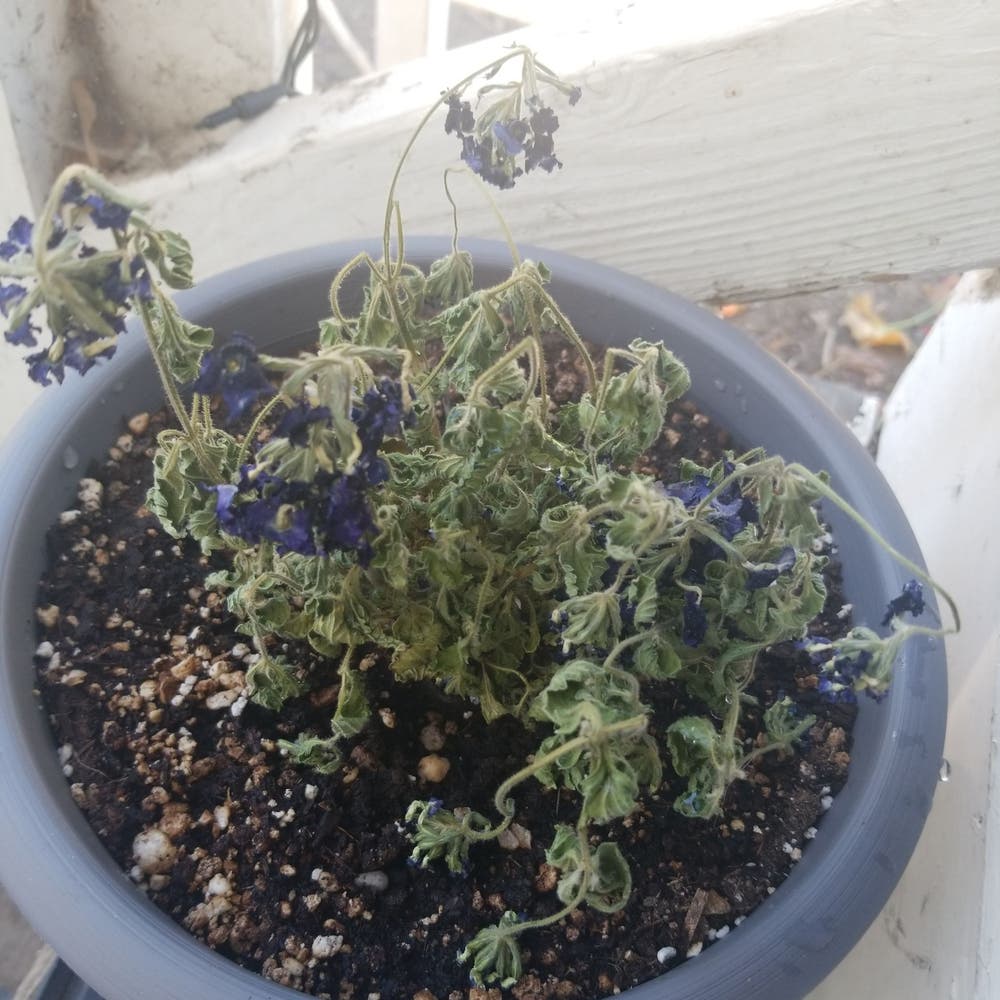
5 Plants That Thrive Alongside Homestead Purple Verbena 🌸
Verbena 'Homestead Purple'
By the Greg Editorial Team
Aug 27, 2024•3 min read
This article was created with the help of AI so we can cover more plants for you. May contain errors. See one? Report it here.
Boost your garden's health 🌼 by pairing Homestead Purple Verbena with the perfect companion plants for pest control!
- 🌞 Homestead Purple Verbena thrives in full sun and well-drained soil for optimal growth.
- 🐝🌼 Companion plants like Lantana and Marigolds attract pollinators and deter pests effectively.
- 🌱 Avoid aggressive plants like mint to maintain harmony in your garden ecosystem.
Best Companion Plants for Homestead Purple Verbena
🌼 Lantana
Lantana features brightly colored flowers that are a magnet for pollinators. This plant thrives in full sun and well-drained soil, making it an ideal companion for Homestead Purple Verbena.
Lantana is also drought-tolerant and can deter certain pests, enhancing the diversity of your garden.
🌸 Salvia
Salvia is known for its vibrant colors and delightful fragrance. Like Verbena, it prefers full sun and well-drained soil, ensuring similar care needs.
This flowering plant attracts pollinators and can help repel pests like aphids, making it a valuable addition to your garden.
🌻 Coreopsis
Coreopsis is a hardy perennial that boasts bright yellow flowers. It thrives in full sun and tolerates drought conditions, aligning well with the needs of Verbena.
Not only does it enhance visual appeal, but it also attracts beneficial insects, contributing to effective pest management.
🌼 Echinacea
Echinacea, with its large, daisy-like blooms, is a native flowering plant that thrives in full sun and well-drained soil. It is also drought-tolerant, making it a resilient choice.
This plant attracts pollinators and boasts medicinal properties, promoting overall garden diversity.
🌺 Gaillardia
Gaillardia, or blanket flower, is a vibrant perennial with striking red and yellow blooms. It thrives in full sun and well-drained soil, similar to Verbena.
This drought-tolerant plant attracts pollinators and can help suppress weeds, enhancing the overall health of your garden.
These companion plants not only thrive alongside Homestead Purple Verbena but also contribute to a flourishing ecosystem. By selecting the right companions, you can create a vibrant, healthy garden that attracts beneficial wildlife and deters pests. Next, let’s explore which plants to avoid near Homestead Purple Verbena for optimal growth.
Plants to Avoid Near Homestead Purple Verbena
🌱 Mint
Mint may seem harmless, but its aggressive growth can quickly outcompete Homestead Purple Verbena for vital resources. This rampant spread can disrupt the balance of your garden, leaving Verbena struggling to thrive.
🚫 Fennel
Fennel is another plant to steer clear of. Its allelopathic properties can inhibit the growth of nearby flowering plants, including Verbena, stunting their development and overall health.
🍅 Nightshades
Nightshades, such as tomatoes and peppers, also pose a risk. They share similar pest issues and nutrient needs, leading to competition that can stress your Verbena and attract the same pests, complicating management efforts.
By avoiding these plants, you can create a more harmonious environment for your Homestead Purple Verbena, ensuring it flourishes alongside its companions. Next, let’s explore effective pest management strategies that can enhance your garden’s health and productivity.
Pest Management Strategies
How Companion Plants Deter Pests 🌱
Companion plants create symbiotic relationships that enhance pest resistance in your garden. By attracting beneficial insects and providing natural repellents, these plants can disrupt pest life cycles effectively.
For instance, certain flowers lure in predatory insects that feast on common garden pests. This natural balance reduces the need for chemical interventions, promoting a healthier ecosystem.
Examples of Pest-Repellent Plants that Work Well with Verbena 🌼
Integrating specific pest-repellent plants into your garden design can significantly improve pest management. Marigolds are a prime example; they deter nematodes and other harmful insects with their strong scent.
Other effective companions include:
- Basil: Repels flies and mosquitoes.
- Nasturtiums: Attract aphids away from more valuable plants.
By thoughtfully incorporating these plants alongside Homestead Purple Verbena, you create a vibrant, resilient garden that thrives naturally. This approach not only enhances your garden's health but also fosters a more diverse and balanced ecosystem.
As you plan your garden, consider the role of companion plants in pest management. This proactive strategy will lead to a flourishing garden that requires less maintenance and offers greater rewards.
⚠️ Safety First
This content is for general information and may contain errors, omissions, or outdated details. It is not medical, veterinary advice, or an endorsement of therapeutic claims.
Always consult a qualified healthcare professional before using any plant as food, medicine, or supplement.
Never eat any plant (or feed one to pets) without confirming its identity with at least two trusted sources.
If you suspect poisoning, call Poison Control (800) 222-1222, the Pet Poison Helpline (800) 213-6680, or your local emergency service immediately.
Spotted an error? Please report it here.
Create a thriving garden ecosystem 🌱 by understanding plant relationships, and let Greg guide you with personalized care tips to nurture your Homestead Purple Verbena and its companions effortlessly!