✂️ Step-by-Step Guide to Pruning Homestead Purple Verbena
Verbena 'Homestead Purple'
By the Greg Editorial Team
Aug 27, 2024•3 min read
This article was created with the help of AI so we can cover more plants for you. May contain errors. See one? Report it here.
Elevate your Homestead Purple Verbena's blooms 🌼 with these essential pruning techniques for vibrant growth! ✂️
- 🌱 Prune Homestead Purple Verbena in early spring and late summer for best results.
- ✂️ Use sharp tools and gloves to ensure effective and safe pruning.
- 🌼 Regular deadheading promotes continuous blooming and enhances plant health.
Pruning Techniques for Homestead Purple Verbena
🌱 Best Time to Prune
Timing is crucial for effective pruning of Homestead Purple Verbena. The best time to start is early spring, just before new growth begins.
Another key period is post-bloom, which occurs after the main flowering season in late summer. Adjust your pruning schedule based on local climate conditions to ensure optimal results.
🔧 Tools Needed for Pruning
Having the right tools makes all the difference. You'll need sharp pruning shears for clean cuts and loppers for thicker stems.
Don’t forget gloves to protect your hands from plant sap and debris. A rake or garden waste bag will also help with cleanup after your pruning session.
📋 Step-by-Step Pruning Instructions
Initial Assessment of the Plant
Before diving in, take a moment to assess your plant's health. Inspect for dead, damaged, or overcrowded stems.
Next, determine the desired shape and size for your Homestead Purple Verbena. This will guide your pruning decisions.
✂️ Cutting Back Stems
Start by removing dead or damaged stems, cutting back to healthy tissue. This encourages new growth and vitality.
Trim back any leggy growth, aiming for a height of 6-12 inches. Always make cuts at a 45-degree angle to promote healing and prevent water accumulation.
🎨 Shaping the Plant
Now, assess the plant's natural growth habit. Trim to maintain a rounded shape, removing excessively long or unruly stems.
Ensure even distribution of foliage for balanced growth. This will enhance the plant's overall appearance and health.
🌼 Step-by-Step Deadheading Instructions
Identifying Spent Flowers
Deadheading is essential for keeping your Verbena blooming beautifully. Look for flowers that have faded or turned brown.
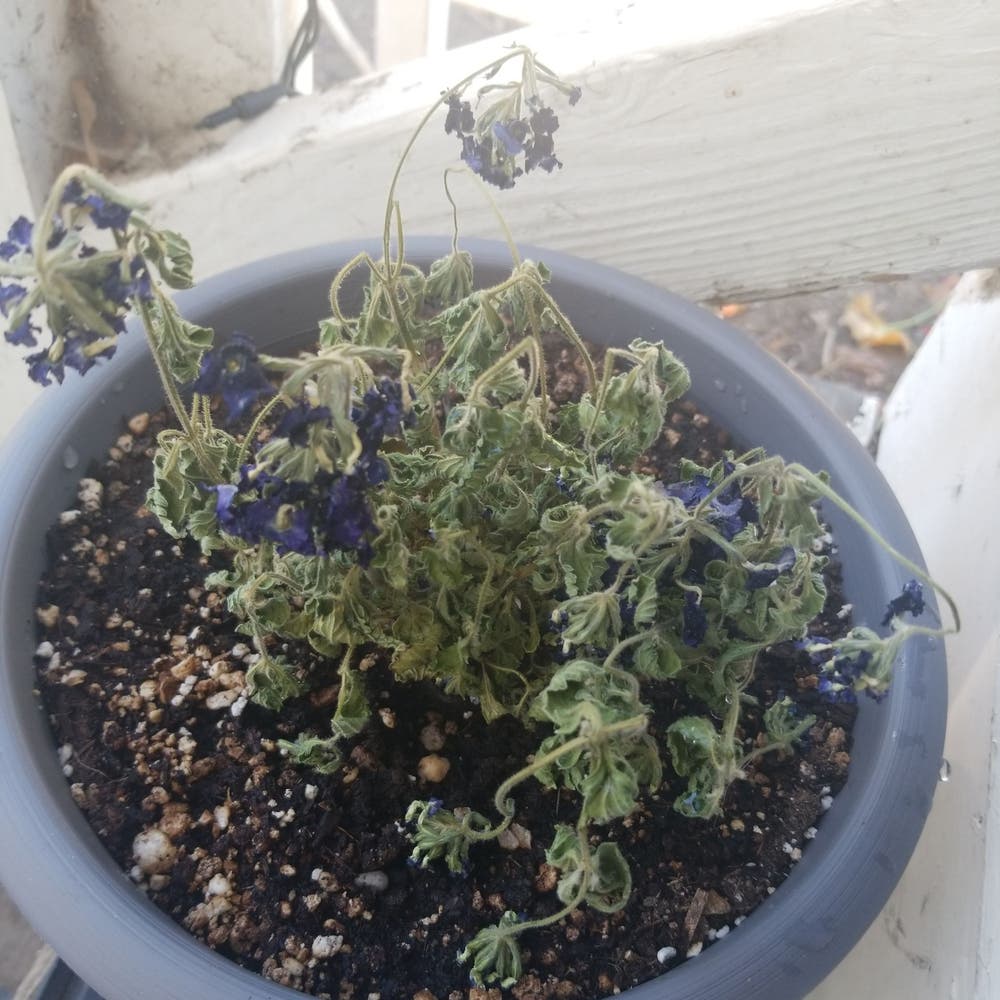
Check for wilting petals and drooping stems, as these are signs that it's time to deadhead.
✂️ Proper Cutting Techniques
Use clean, sharp pruning shears for the best results. Cut just above the first set of healthy leaves or buds to encourage new growth.
Dispose of spent flowers properly to prevent the spread of disease. This simple step can make a big difference in your plant's health.
⚠️ Common Pruning Mistakes to Avoid
Over-pruning: Signs and Consequences
Be cautious not to over-prune your Verbena. Signs of over-pruning include excessive leaf drop and stunted growth.
This can weaken the plant and reduce flowering, so always prune with care.
⏰ Incorrect Timing: How it Affects Growth
Timing matters! Pruning too late in the season can hinder blooming, while pruning during dormancy may lead to unnecessary stress.
Stay mindful of the seasons to keep your plant thriving.
🛠️ Tools and Techniques: What Not to Use
Avoid using dull or rusty tools, as they can cause jagged cuts and increase the risk of disease.
Also, steer clear of hedge trimmers; they can damage the plant's natural shape and lead to uneven growth.
With these techniques and tips, your Homestead Purple Verbena will flourish beautifully. Next, let’s explore the art of deadheading to keep your plants vibrant and healthy!
⚠️ Safety First
This content is for general information and may contain errors, omissions, or outdated details. It is not medical, veterinary advice, or an endorsement of therapeutic claims.
Always consult a qualified healthcare professional before using any plant as food, medicine, or supplement.
Never eat any plant (or feed one to pets) without confirming its identity with at least two trusted sources.
If you suspect poisoning, call Poison Control (800) 222-1222, the Pet Poison Helpline (800) 213-6680, or your local emergency service immediately.
Spotted an error? Please report it here.
Prune your Homestead Purple Verbena with confidence and watch it flourish 🌱 by using Greg's tailored reminders and expert tips to keep your garden thriving all season long!