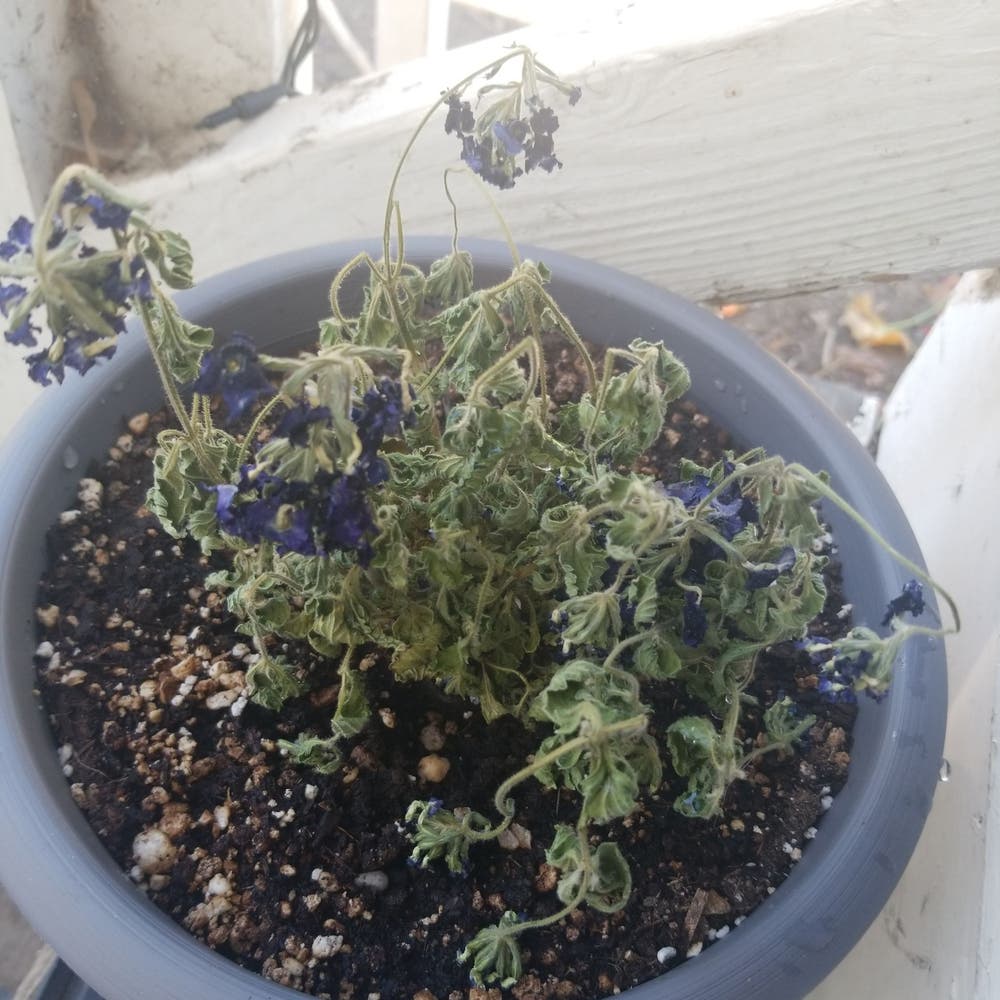
What to Do About Your Vervain Wilting 💧
Verbena spp.
By the Greg Editorial Team
Oct 15, 2024•6 min read
This article was created with the help of AI so we can cover more plants for you. May contain errors. See one? Report it here.
- 💧 Wilting in Vervain often signals water stress; check for underwatering or overwatering.
- ☀️ Excessive sunlight and heat can cause wilting; consider relocating to shade.
- 🌱 Inspect for pests and diseases; healthy roots are key to Vervain vitality.
Common Causes of Wilting Leaves
💧 Water Stress
Wilting leaves can often signal water stress in your Vervain. Look for drooping leaves, dry soil, and leaf curling as key symptoms.
Underwatering
Underwatering occurs when your plant lacks sufficient moisture, leading to dehydration. If the soil feels dry and the leaves are drooping, it’s time to give your Vervain a good drink.
Overwatering
Conversely, overwatering can create waterlogged soil, which may cause root rot. If the soil is soggy and the leaves are yellowing, you might be drowning your plant.
🔥 Heat Stress
Heat stress is another common culprit behind wilting. Symptoms include wilting during high temperatures, leaf scorch, and browning edges.
Excessive Sunlight Exposure
Prolonged exposure to direct sunlight can overwhelm your Vervain. If your plant is in a spot that gets too much sun, consider relocating it to a shadier area.
High Ambient Temperatures
Heat waves can also stress your plant. High temperatures can lead to wilting, so keep an eye on the weather and adjust your plant's environment accordingly.
🦠 Disease-Related Wilting
While less common, disease-related wilting can occur. Symptoms include sudden wilting, discoloration, and leaf drop.
Pathogenic Wilt Diseases
Pathogenic diseases like Fusarium or Verticillium wilt are rare in Vervain but can happen. If you notice these symptoms, it’s crucial to investigate further, as timely action can save your plant.
Understanding these common causes of wilting leaves is the first step toward reviving your Vervain. Next, we’ll explore how to diagnose the specific issues affecting your plant.
Diagnosing Wilting in Vervain
Diagnosing wilting in your Vervain is crucial for restoring its health. Here’s a straightforward approach to identify the underlying issues.
🌱 Assess Soil Moisture
Start by checking the top inch of the soil. If it feels dry, your plant may be underwatered; if it's soggy, overwatering could be the culprit.
🌡️ Evaluate Environmental Conditions
Next, take note of the temperature and humidity levels around your plant. Extreme conditions can significantly impact its health.
🔍 Inspect the Plant
Look closely at your Vervain for any signs of pests or disease. Discoloration or spots on the leaves can indicate underlying problems.
🌿 Check for Root Health
Gently remove the plant from its pot to inspect the roots. Healthy roots should be firm and white; brown, mushy roots suggest rot.
👀 Signs to Look For
🍃 Leaf Texture
Soft, limp leaves are a clear sign of water stress. They need immediate attention to revive their vigor.
💛 Leaf Color
Yellowing leaves may indicate overwatering or nutrient deficiencies. Adjust your care routine accordingly.
📏 Growth Habit
Stunted growth or a leggy appearance often points to environmental stress. This could be due to inadequate light or improper watering.
By following these steps, you can effectively diagnose the issues affecting your Vervain. This knowledge empowers you to take action and bring your plant back to life.
Next, let’s explore practical solutions for wilting, ensuring your Vervain thrives once more.
Solutions for Wilting
💧 Addressing Water Stress
When your Vervain shows signs of underwatering, the solution is straightforward. Water thoroughly until excess drains out, ensuring the roots get the moisture they crave.
For overwatering, patience is key. Allow the soil to dry out before watering again, and if root rot is suspected, repot the plant in fresh, well-draining soil to give it a fighting chance.
☀️ Addressing Heat Stress
If your plant is wilting due to heat stress, relocating it can make a world of difference. Move it to a shaded area during peak sunlight hours, and consider using shade cloth to protect it from harsh rays.
Adjusting your watering routine is also essential. Increase the frequency during hot spells, ensuring the soil remains moist but not soggy to keep your Vervain happy.
🦠 Addressing Disease-Related Wilting
If you suspect disease is the culprit, swift action is necessary. Remove affected leaves to improve air circulation and reduce stress on the plant.
In some cases, fungicides may be needed. However, it's wise to consult a professional before proceeding to ensure you're taking the right steps.
🌱 Techniques for Reviving a Wilted Plant
Reviving a wilted Vervain can be achieved through a few effective techniques. Bottom watering is a great method: place the pot in a tray of water for 30 minutes, allowing the roots to absorb moisture directly.
Consider a temporary relocation to a more stable environment with consistent temperature and humidity. This can help your plant recover more quickly.
Lastly, don’t hesitate to prune damaged leaves. Trimming back wilted or dead foliage encourages new growth and revitalizes your plant's appearance.
With these solutions, you can tackle wilting head-on and restore your Vervain to its vibrant self. Next, let’s explore preventive measures to keep your plant thriving in the long run.
Preventive Measures
🌱 Best Practices to Minimize Wilting
To keep your Vervain thriving, regularly check the soil moisture. Adjust your watering schedule based on what you find; this simple habit can make a world of difference.
Also, keep an eye on environmental conditions, especially as seasons change. Sudden shifts can stress your plant, so being proactive is key.
🌤️ Environmental Considerations
Creating ideal conditions is crucial for your Vervain's health. Aim for moderate humidity and avoid extreme temperature fluctuations to keep your plant happy.
Placement matters too. Choose a spot with indirect sunlight to prevent heat stress, ensuring your Vervain gets the light it needs without the risk of wilting.
By following these preventive measures, you can foster a resilient plant that flourishes year-round. Next, let’s explore when to seek help if your Vervain shows signs of distress.
Seeking Help
When to Consult a Local Nursery 🌱
If your Vervain shows persistent wilting despite your best care efforts, it might be time to seek professional advice. Unfamiliar symptoms, such as unusual discoloration or spots, could indicate underlying disease or pest issues that require expert intervention.
Engaging with the Online Plant Care Community 🌍
Don’t underestimate the power of community! Platforms like Greg offer a wealth of advice and support from fellow Vervain enthusiasts. Sharing your experiences and solutions can lead to valuable insights and help you troubleshoot common problems effectively.
Connecting with others who share your passion can make all the difference in nurturing your plant. Remember, you’re not alone in this journey; there’s a whole community ready to help you thrive alongside your Vervain.
As you navigate these challenges, keep in mind that knowledge is your best ally. With the right support, you can turn wilting into flourishing!
Encouragement and Reassurance
🌱 Message of Hope for Owners
Wilting in your Vervain can feel disheartening, but remember that it's often reversible with the right care and attention. A little patience and the right adjustments can bring your plant back to life.
📚 Importance of Knowledge and Care
With informed practices, Vervain owners can foster a thriving plant, ensuring its beauty and health for years to come. Understanding your plant's needs empowers you to create an environment where it can flourish.
Taking the time to learn about your Vervain not only enhances its growth but also deepens your connection with it. Embrace the journey of plant care, and you'll find joy in watching your Vervain thrive.
As you move forward, remember that every challenge is an opportunity to learn. Your dedication will pay off, leading to a vibrant, healthy plant that brings beauty to your space.
⚠️ Safety First
This content is for general information and may contain errors, omissions, or outdated details. It is not medical, veterinary advice, or an endorsement of therapeutic claims.
Always consult a qualified healthcare professional before using any plant as food, medicine, or supplement.
Never eat any plant (or feed one to pets) without confirming its identity with at least two trusted sources.
If you suspect poisoning, call Poison Control (800) 222-1222, the Pet Poison Helpline (800) 213-6680, or your local emergency service immediately.
Spotted an error? Please report it here.
Revive your wilting Vervain and cultivate success 🌱 with Greg's tailored watering alerts and community insights that turn challenges into thriving plants!