🍂 Best Tips for Dropping Leaves on Vervain
Verbena spp.
By the Greg Editorial Team
Oct 15, 2024•6 min read
This article was created with the help of AI so we can cover more plants for you. May contain errors. See one? Report it here.
- 🌡️ Optimal temperatures for vervain are 18°C to 24°C (65°F to 75°F) for health.
- 💧 Overwatering and underwatering both cause leaf drop; monitor soil moisture closely.
- 🌱 Nutrient deficiencies and pests stress vervain, leading to leaf drop; act quickly!
Causes of Leaf Drop
🌡️ Environmental Stress Factors
Vervain plants thrive best in temperatures between 18°C to 24°C (65°F to 75°F). When temperatures stray too far from this range, whether from heat stress or frost exposure, leaf drop can occur.
💧 Watering Issues
Overwatering
Overwatering is a common culprit behind leaf drop. Symptoms include yellowing leaves, soggy soil, and root rot, often caused by poor drainage or watering too frequently.
🚰 Underwatering
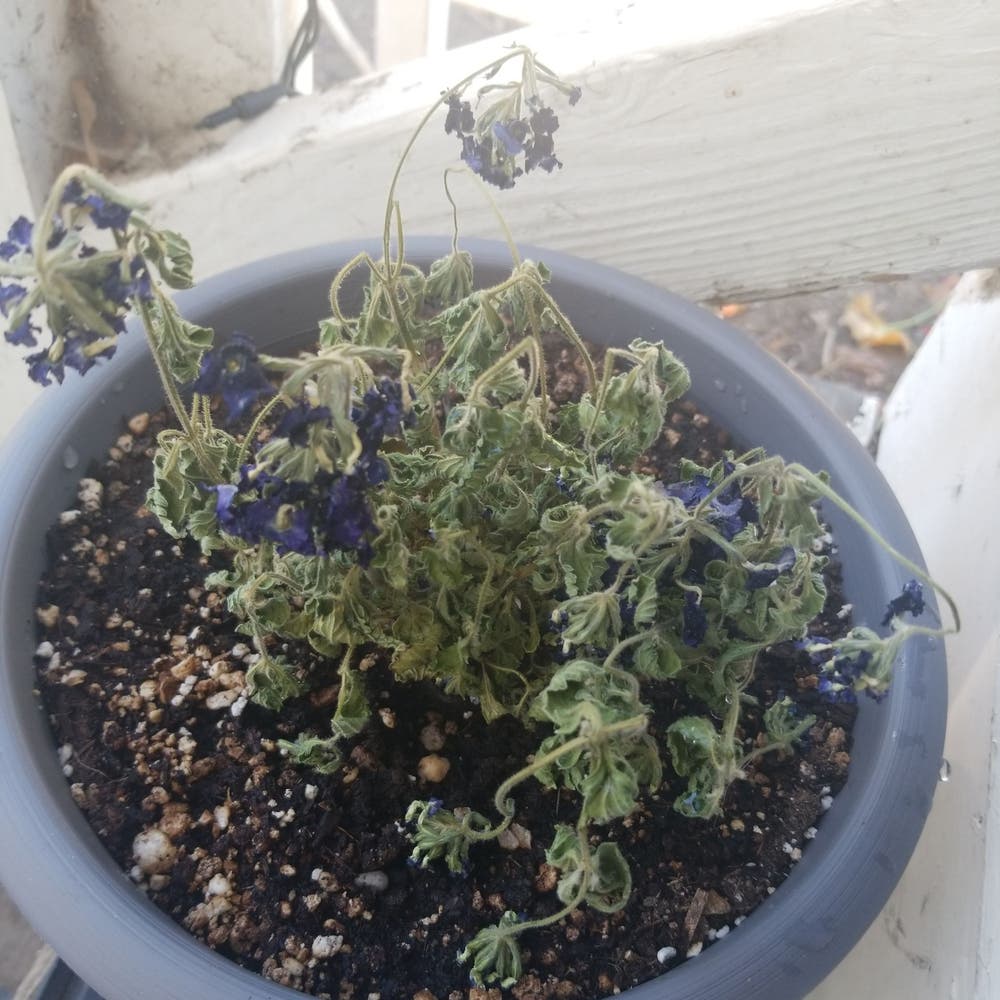
Conversely, underwatering can also lead to leaf drop. Signs include wilting leaves, dry soil, and crispy edges, typically resulting from infrequent watering or neglect during hot weather.
🥦 Nutrient Deficiencies
Nutrient deficiencies can significantly impact your vervain's health. Common deficiencies include nitrogen, potassium, and magnesium, which manifest as yellowing leaves, stunted growth, and ultimately, leaf drop.
🐛 Pest Infestations
Pests like aphids and spider mites can wreak havoc on your vervain. Look for visible pests, webbing, and leaf discoloration, as these stressors can lead to leaf drop.
🦠 Disease-Related Causes
Fungal infections, such as root rot and powdery mildew, can also cause leaf drop. Symptoms include wilting, leaf spots, and an overall decline in plant health, signaling that your vervain needs immediate attention.
Understanding these causes is crucial for maintaining a healthy vervain plant. Next, we’ll explore how to diagnose leaf drop effectively.
Diagnosing Leaf Drop
Identifying Symptoms 🌿
When your vervain starts dropping leaves, it’s crucial to spot the visual signs early. Look for yellowing, wilting, and, of course, those leaves that just seem to fall off unexpectedly.
Timing also plays a role in diagnosing leaf drop. Seasonal patterns can indicate whether the issue is environmental or something more serious.
Differentiating Between Causes 🐛
Next, you’ll want to differentiate between pests and environmental stress. Observe the plant closely; if you see pests, that’s a red flag. If not, consider the environmental conditions.
Additionally, assess the leaf condition. Healthy leaves should be vibrant and firm, while damaged leaves often show signs of distress.
Observing Plant Conditions 🔍
Soil moisture is another critical factor. Check for sogginess or dryness to determine if your watering habits need adjustment.
Lastly, evaluate light exposure. Ensure your vervain is getting the right amount of sunlight—too little can lead to weak growth and increased stress.
By carefully diagnosing these symptoms and conditions, you can take the first steps toward restoring your vervain’s health. Next, let’s explore preventive measures to keep your plant thriving.
Preventive Measures
Optimal Watering Practices 💧
Watering your vervain correctly is crucial for its health. Aim to let the soil dry slightly between waterings to prevent overwatering.
Deep watering is a great technique to encourage robust root growth. This method ensures that water penetrates deeply, promoting a stronger plant.
Ideal Soil Composition and Drainage 🪴
Using a well-draining potting mix enriched with organic matter is essential. This type of soil supports healthy growth and prevents root rot.
Good drainage is vital for your plant's well-being. It helps avoid soggy conditions that can lead to serious health issues.
Proper Light Conditions ☀️
Vervain thrives in full sun to partial shade, requiring about 6-8 hours of light daily. Adequate light is key to vibrant growth and flowering.
Insufficient light can weaken your plant, making it more vulnerable to stress and diseases. Keep an eye on its light exposure to ensure optimal health.
Seasonal Care Adjustments 🍂
Adjust your care routine based on seasonal changes. This includes modifying watering and fertilization schedules to suit the plant's needs.
Monitoring temperature fluctuations is also important. Protecting your vervain from extreme conditions will help it thrive throughout the year.
By implementing these preventive measures, you can significantly reduce the risk of leaf drop and promote a flourishing vervain plant. Next, let’s explore how to diagnose leaf drop effectively.
Treatment Solutions
Step-by-Step Guide to Treating Overwatering 🌊
Overwatering can be a silent killer for your Vervain. Start by assessing the soil moisture; use a moisture meter or simply stick your finger into the soil to gauge its dampness.
Next, adjust your watering schedule. Reduce the frequency and allow the soil to dry out between waterings. This simple change can make a world of difference.
If the problem persists, it might be time to improve drainage. Consider repotting your plant in well-draining soil to prevent future issues.
Addressing Nutrient Deficiencies 🥦
Nutrient deficiencies can also lead to leaf drop. Begin by conducting a soil test to identify specific nutrient needs.
Once you know what’s lacking, establish a fertilization schedule. Use balanced fertilizers during the growing season to keep your Vervain thriving.
Pest Control Methods 🐜
Pests like aphids and spider mites can wreak havoc on your plant. Start by identifying these common pests; look for visible signs like webbing or discolored leaves.
For control methods, consider using neem oil or insecticidal soap. You can also introduce beneficial insects to help keep the pest population in check.
Disease Management Strategies 🦠
Diseases can be tricky, but recognizing symptoms is key. Look for signs of root rot or powdery mildew, such as wilting or leaf spots.
For treatment options, fungicides can be effective. Additionally, improving air circulation around your plant can help prevent future outbreaks.
By following these treatment solutions, you can help your Vervain recover and thrive. Next, let’s explore how to care for your plant after a leaf drop.
Post-Drop Recovery
Care After Leaf Drop 🌱
After your vervain has dropped leaves, it's crucial to adjust your care routine. Focus on optimal watering and ensure the plant receives adequate light.
Regularly check for new growth to gauge recovery progress. This attentive approach helps you identify any lingering issues early on.
Signs of Recovery 🌿
Look for indicators like new leaf formation and improved color as signs of recovery. These positive changes can take several weeks to months, so patience is key.
A vibrant green hue is a good sign that your plant is bouncing back from stress.
Long-Term Care Tips 🌼
Consistency is vital for long-term health. Regularly monitor watering, light, and nutrient levels to keep your vervain thriving.
Be prepared to make seasonal adjustments to your care routine. Adapting to changing environmental conditions will help your plant flourish year-round.
With the right attention, your vervain can not only recover but thrive, bringing beauty to your space.
⚠️ Safety First
This content is for general information and may contain errors, omissions, or outdated details. It is not medical, veterinary advice, or an endorsement of therapeutic claims.
Always consult a qualified healthcare professional before using any plant as food, medicine, or supplement.
Never eat any plant (or feed one to pets) without confirming its identity with at least two trusted sources.
If you suspect poisoning, call Poison Control (800) 222-1222, the Pet Poison Helpline (800) 213-6680, or your local emergency service immediately.
Spotted an error? Please report it here.
Keep your vervain healthy and leafy 🌿 by using Greg's tailored watering reminders and expert community tips to prevent leaf drop and promote lush growth!