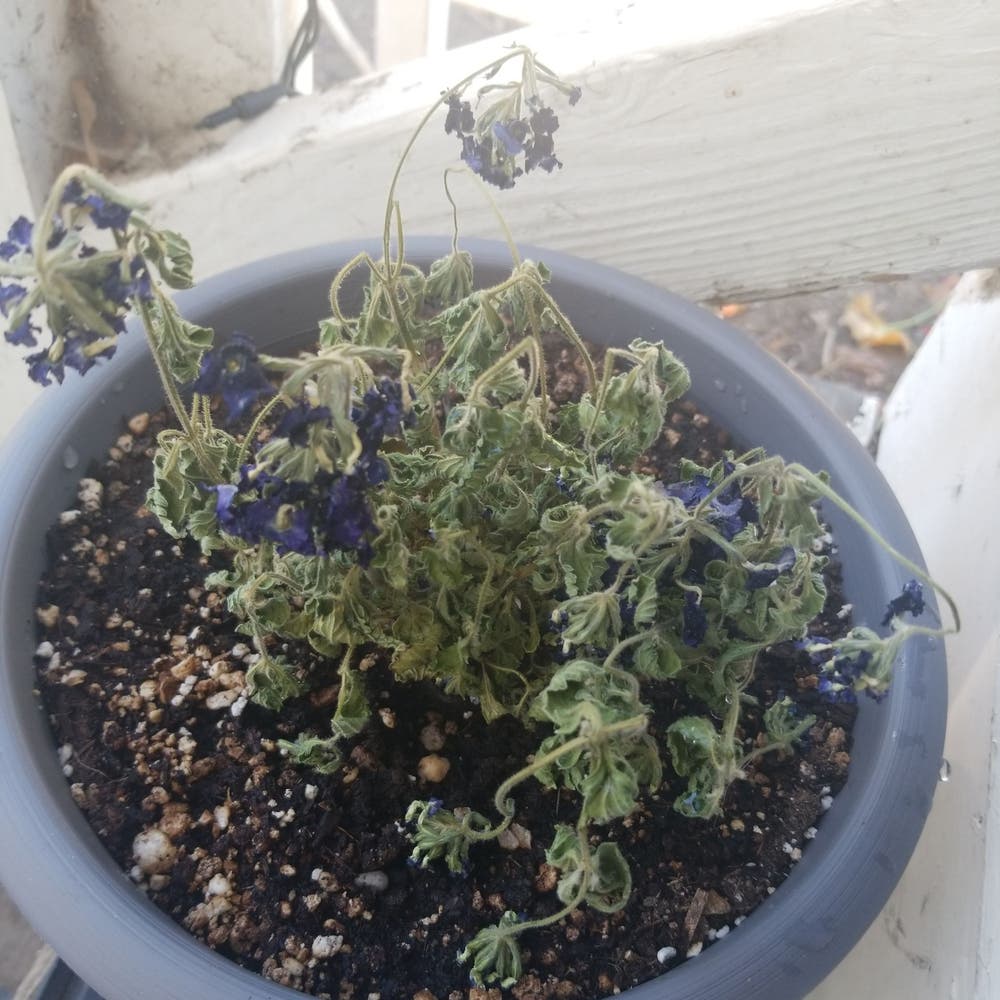
5 Tips for Healing Curling Leaves on Your Vervain 🩹
Verbena spp.
By the Greg Editorial Team
Oct 15, 2024•3 min read
This article was created with the help of AI so we can cover more plants for you. May contain errors. See one? Report it here.
- 🌱 Curling leaves indicate pests or environmental stress; inspect your vervain regularly.
- 💧 Proper watering and soil health are crucial to prevent leaf curl and promote growth.
- 🐛 Treat pests with insecticidal soap or neem oil for effective leaf recovery.
Diagnosing Curling Leaves
Identifying Symptoms of Leaf Curl 🌿
Curling leaves can manifest in various ways. You might notice upward, downward, or inward curling, each indicating different issues.
Color changes are also key indicators. Yellowing or browning leaves often signal distress, so keep an eye out for these changes.
Differentiating Between Pest Damage and Environmental Stress 🐛
Pest damage can be spotted through specific indicators. Look for visible insects, webbing, or sticky residue on the leaves.
On the other hand, environmental stress shows different signs. Wilting, discoloration, and uneven growth can all suggest that your plant is struggling with its surroundings.
Assessing Soil and Moisture Levels 💧
Soil health is crucial for your vervain. Start by checking for drainage and compaction to ensure the roots can breathe.
Moisture levels are equally important. Use a moisture meter or perform a finger test to gauge soil dampness, helping you avoid over or underwatering.
By diagnosing these issues early, you can take the necessary steps to restore your vervain's health. Next, let’s explore effective treatments for curling leaves.
Treating Curling Leaves
🐛 Step-by-Step Treatment for Pest Infestations
Dealing with pests is crucial for your vervain's health. Start by inspecting the plant thoroughly for any visible pests.
Next, remove any affected leaves and dispose of them properly to prevent further spread.
Apply insecticidal soap or neem oil as a treatment, ensuring you cover all leaf surfaces.
Finally, monitor the plant regularly for signs of re-infestation to keep those pests at bay.
💧 Adjusting Watering Practices for Optimal Moisture
Watering practices can make a significant difference in your plant's health. Aim to water deeply but infrequently to encourage robust root growth.
Be on the lookout for signs of overwatering, such as yellowing leaves and mushy stems.
Conversely, if you notice dry, crispy leaves or wilting, it may indicate underwatering. Adjust your watering routine accordingly to maintain balance.
🌱 Nutrient Supplementation for Healthy Growth
Nutrient supplementation is vital for vibrant growth. Establish a fertilization schedule, applying nutrients monthly during the growing season.
Opt for a balanced NPK fertilizer, like a 10-10-10 mix, or consider using organic compost for a natural boost.
These practices will help your vervain thrive and reduce the likelihood of curling leaves in the future.
With these treatment strategies in place, you’re well on your way to restoring your vervain’s health. Next, let’s explore how to prevent future leaf curl effectively.
Preventing Future Leaf Curl
Best Practices for Vervain Care 🌱
Regular monitoring is key to keeping your vervain healthy. Check for pests and environmental conditions weekly to catch any issues early.
Pruning is another essential practice. Remove dead or damaged leaves to promote airflow, which helps prevent diseases and encourages new growth.
Seasonal Adjustments to Care Routine 🌸
As seasons change, so should your care routine. In spring, fertilize and check for pests as growth resumes to give your vervain a strong start.
During summer, ensure adequate watering, especially during heat waves. Your plant will appreciate the extra attention.
In fall, prepare for dormancy by reducing watering. This helps your vervain conserve energy for the colder months ahead.
Monitoring Environmental Conditions 🌡️
Temperature control is crucial for your vervain's well-being. Protect it from extreme heat or cold to avoid stress.
Humidity levels also play a significant role. Maintain moderate humidity, especially indoors, to create a comfortable environment for your plant.
By following these best practices and seasonal adjustments, you can effectively prevent future leaf curl and keep your vervain thriving. Next, let’s explore how to treat curling leaves when they do occur.
⚠️ Safety First
This content is for general information and may contain errors, omissions, or outdated details. It is not medical, veterinary advice, or an endorsement of therapeutic claims.
Always consult a qualified healthcare professional before using any plant as food, medicine, or supplement.
Never eat any plant (or feed one to pets) without confirming its identity with at least two trusted sources.
If you suspect poisoning, call Poison Control (800) 222-1222, the Pet Poison Helpline (800) 213-6680, or your local emergency service immediately.
Spotted an error? Please report it here.
Heal those curling vervain leaves and watch them thrive 🌿 with Greg's tailored care reminders and expert tips that ensure your plant gets the love it needs!