🌸 Common Verbena Problems and Solutions
Verbena spp.
By the Greg Editorial Team
Aug 24, 2024•5 min read
This article was created with the help of AI so we can cover more plants for you. May contain errors. See one? Report it here.
- 🌱 Recognize unhealthy verbena by checking for wilting, discoloration, and fuzzy growth.
- 💧 Overwatering causes yellow leaves and root rot; underwatering leads to dry, crispy leaves.
- 🌞 Ensure 6-8 hours of sunlight daily to prevent stunted growth and leggy plants.
Recognizing Unhealthy Verbena
🧐 Symptoms
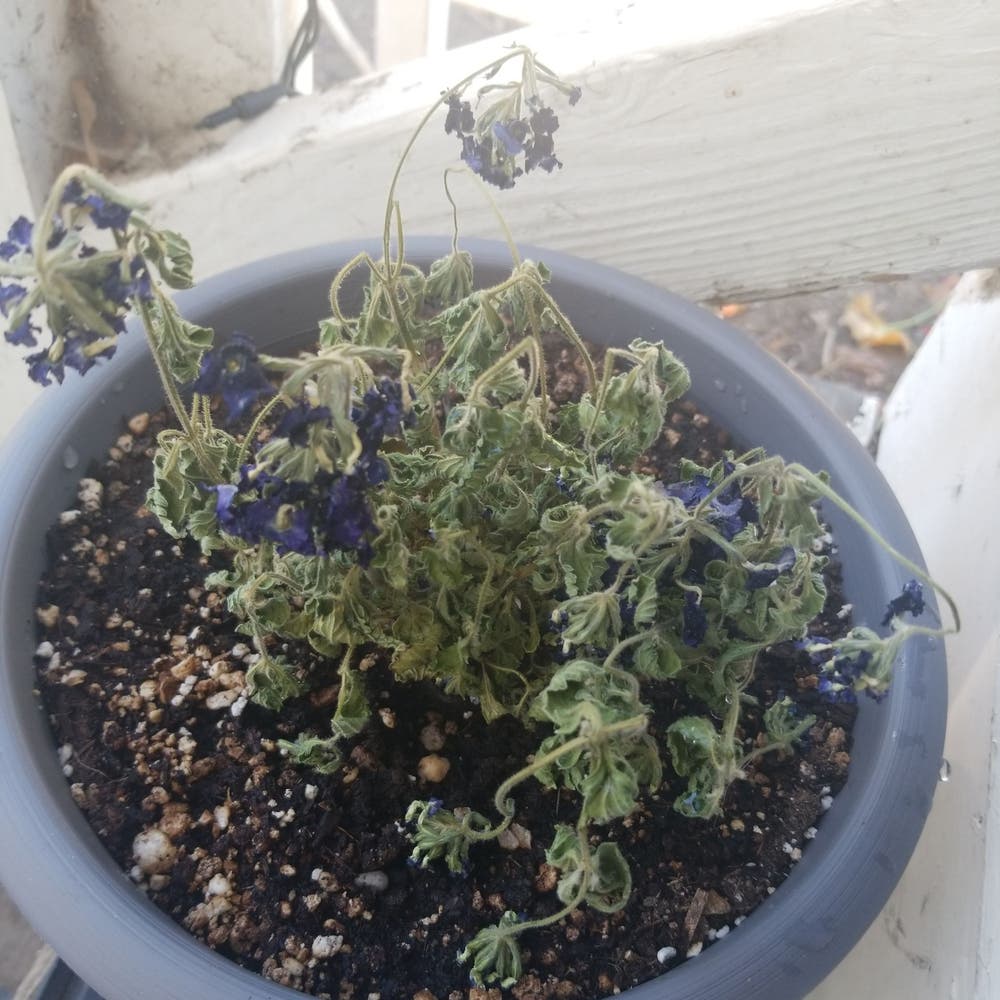
Recognizing unhealthy verbena is crucial for maintaining vibrant plants. Look out for wilting or drooping leaves, which often signal distress.
Discoloration is another red flag; yellowing or browning leaves can indicate various issues. Additionally, stunted growth or a lack of flowering suggests that your verbena may need some extra care.
Lastly, fuzzy growth on leaves can be a sign of fungal infections or pests. Identifying these symptoms early can help you take action before the problems escalate.
Common Problems Specific to Verbena
💧 Incorrect Watering
Identifying Overwatering and Underwatering
Overwatering is a common issue for verbena, leading to yellowing leaves, wilting, and root rot. Conversely, underwatering results in dry, crispy leaves and drooping stems.
Causes
The primary culprits for watering issues include poor drainage in pots or soil and an inconsistent watering schedule. Both can severely impact the health of your verbena.
Steps to Resolve
- Check soil moisture with a finger test (1-2 inches deep).
- Adjust your watering frequency based on weather and soil conditions.
- Ensure pots have drainage holes and use well-draining soil.
☀️ Incorrect Light Conditions
Signs
Inadequate light can cause leggy growth and sparse flowering, while excessive light leads to scorched leaves and faded colors. Both scenarios can stunt your verbena's potential.
Causes
Placement in too shady or too sunny locations often results in these light-related issues. Finding the right balance is essential for vibrant growth.
Solutions
- Move plants to a location with 6-8 hours of sunlight daily.
- Use sheer curtains to diffuse harsh sunlight if indoors.
🌡️ Incorrect Temperature
Symptoms
Leaves wilting or dropping and stunted growth are signs of temperature stress. A leggy appearance can also indicate that your verbena is struggling with temperature extremes.
Causes
Exposure to extreme heat or cold, along with sudden temperature fluctuations, can wreak havoc on your plants. Consistency is key.
How to Adjust
- Move plants indoors during extreme weather.
- Use mulch to regulate soil temperature outdoors.
🐛 Pests
Common Pests
Aphids, spider mites, and whiteflies are frequent pests that target verbena. Keeping an eye out for these invaders is crucial.
Identifying Infestations
Look for sticky residue on leaves, visible insects, or webbing. These signs indicate that your plants may be under attack.
Treatment Options
- Spray with insecticidal soap or neem oil.
- Introduce beneficial insects like ladybugs to help control the pest population.
🦠 Diseases
Common Diseases
Powdery mildew, rust, black rot, and blight are common afflictions for verbena. Each presents unique challenges.
Symptoms
- Powdery mildew: white, powdery spots on leaves.
- Rust: orange or brown pustules on leaves.
- Black rot: dark lesions on stems and leaves.
- Blight: rapid wilting and browning of foliage.
Causes and Treatment
- Improve air circulation around plants.
- Apply fungicides as needed, focusing on affected areas.
🌱 Root Problems
Identifying Root Rot
Signs of root rot include mushy roots, a foul odor, and wilting despite watering. This condition can be detrimental if not addressed promptly.
Causes
Root rot typically results from overwatering, poor drainage, or compacted soil. Understanding these causes can help prevent future issues.
Steps to Resolve
- Remove affected plants from pots and inspect roots.
- Trim away rotten roots and repot in fresh, well-draining soil.
🍃 Leaf Issues
Symptoms
Leaf scorching manifests as brown edges, while yellowing indicates overall leaf discoloration. Fuzzy growth may signal powdery mildew or fungal infections.
Causes
Environmental stress, pests, or diseases can lead to these leaf issues. Identifying the root cause is essential for effective treatment.
Solutions
- Adjust watering and light conditions.
- Treat with appropriate fungicides for fuzzy growth.
🌼 Growth Problems
Identifying Issues
Stunted growth, lack of new leaves, and few or no flowers signal potential growth problems. Leaning or leggy plants often indicate uneven light exposure.
Causes
Nutrient deficiencies, inadequate light, or watering issues can hinder growth. Addressing these factors is crucial for healthy plants.
Steps to Encourage Growth
- Fertilize with a balanced fertilizer during the growing season.
- Rotate plants for even light exposure.
Understanding these common problems and their solutions can help you maintain healthy verbena. With the right care, your plants will thrive and bring vibrant color to your garden.
Preventive Measures
Best Practices 🌱
To keep your verbena thriving, regularly check the soil moisture and adjust your watering schedule accordingly. This simple habit can prevent both overwatering and underwatering, which are common pitfalls.
Ensure your plants receive proper light exposure and temperature conditions. Verbena loves sunshine, so aim for 6-8 hours of sunlight daily to promote healthy growth.
Importance of Monitoring 🔍
Early detection of issues is crucial; it can save your plants from severe damage. Regular checks not only help you catch problems early but also maintain overall plant health.
Seasonal Considerations 🌦️
Adjust your care practices based on seasonal changes. For instance, you may need to increase watering during the hot summer months to keep your verbena hydrated and happy.
By following these preventive measures, you can enjoy vibrant, flourishing verbena all year round. Now, let's dive into the common problems specific to verbena and how to tackle them effectively.
⚠️ Safety First
This content is for general information and may contain errors, omissions, or outdated details. It is not medical, veterinary advice, or an endorsement of therapeutic claims.
Always consult a qualified healthcare professional before using any plant as food, medicine, or supplement.
Never eat any plant (or feed one to pets) without confirming its identity with at least two trusted sources.
If you suspect poisoning, call Poison Control (800) 222-1222, the Pet Poison Helpline (800) 213-6680, or your local emergency service immediately.
Spotted an error? Please report it here.
Keep your verbena vibrant and healthy 🌱 by using Greg's tailored care reminders to tackle common issues like pests and watering, ensuring your plants thrive all year round!