4 Tips for Healthy Verbena Roots 🥕
Verbena spp.
By the Greg Editorial Team
Aug 24, 2024•5 min read
This article was created with the help of AI so we can cover more plants for you. May contain errors. See one? Report it here.
- 🌱 Healthy verbena roots enhance nutrient absorption and stability for vibrant growth.
- 💧 Consistent moisture is crucial; overwatering can lead to root rot.
- 🌿 Transplant in spring or fall for optimal root establishment and minimal stress.
Root System Characteristics
Description of Root Type 🌱
Verbena plants feature a fibrous root system. This dense network of thin roots spreads horizontally, creating a robust foundation for the plant.
The fibrous roots enhance nutrient absorption and provide stability, making them well-suited for various soil types.
Root Depth, Spread, and Growth Patterns 📏
The average root depth of verbena can reach 12-18 inches, depending on soil conditions. This depth allows the plant to access moisture and nutrients effectively.
Typically, the root spread extends 1-2 feet wide, which further aids in efficient water and nutrient uptake.
In the initial weeks after planting, verbena roots grow rapidly, establishing a strong base. However, during extreme temperatures, root growth may slow down, while moderate conditions keep them active.
Understanding these growth patterns can help you provide the best care for your verbena, ensuring a thriving plant.
Next, we’ll explore how to properly water, fertilize, and transplant your verbena for optimal health.
Watering, Fertilizing, and Transplanting
💧 Watering Needs and Fertilization Techniques
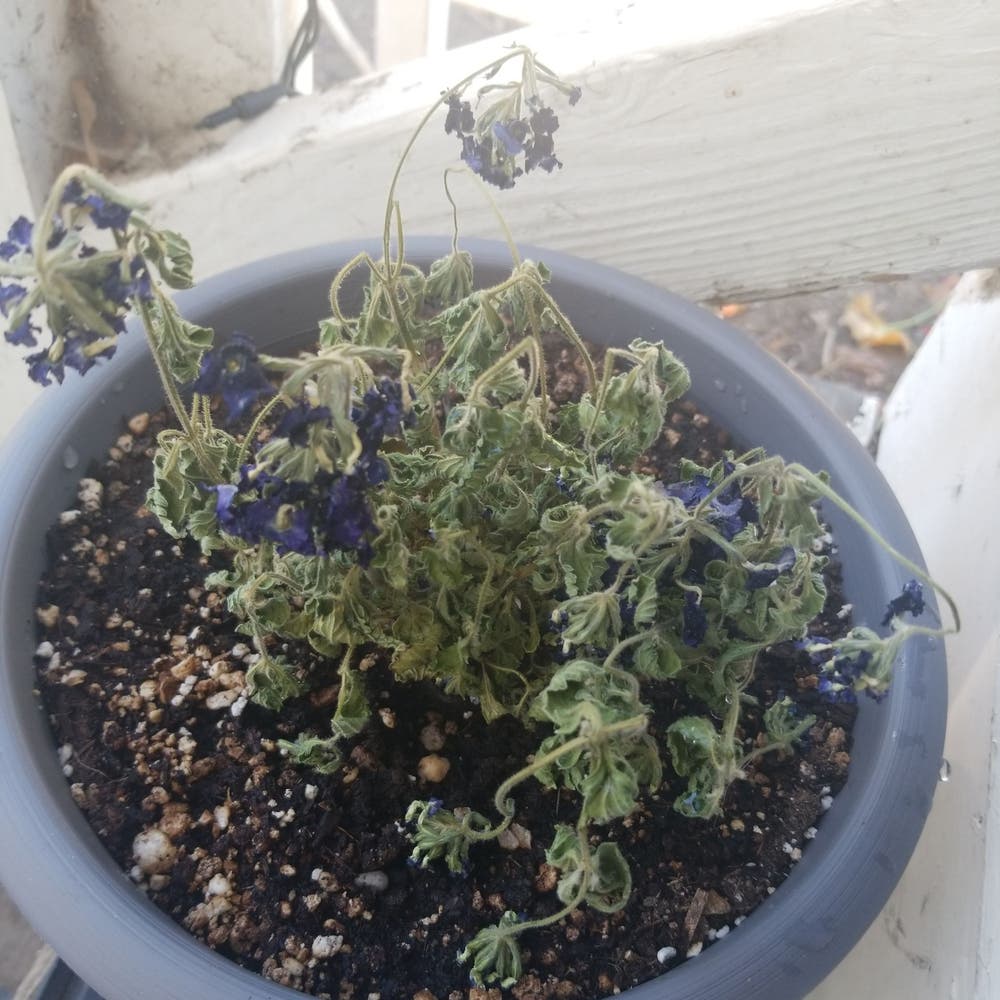
Maintaining consistent moisture is crucial for healthy verbena roots. Overwatering can lead to root rot, so it's essential to monitor soil moisture carefully.
To check if your plants need water, inspect the top 1-2 inches of soil. If it feels dry, it's time to give them a drink.
For fertilization, opt for balanced NPK fertilizers during the growing season. This ensures your plants receive the nutrients they need to thrive.
Apply fertilizer every 4-6 weeks, adjusting based on your plants' growth and overall health. Keeping an eye on these indicators will help you fine-tune your care routine.
🌱 Best Practices for Transplanting
Timing is everything when it comes to transplanting verbena. The best periods are early spring or fall, when temperatures are moderate and conducive to root establishment.
Preparation is key. Water the plant a day before transplanting to minimize stress and ensure a smoother transition.
When transplanting, aim to disturb the root ball as little as possible. This practice enhances survival rates and helps your plant settle into its new home.
After transplanting, water thoroughly and provide shade for a few days. This will help reduce shock and promote healthy growth as your verbena adjusts to its new environment.
With proper watering, fertilizing, and transplanting techniques, your verbena will flourish, setting the stage for vibrant blooms and robust health. Next, let’s explore common root-related issues to keep your plants thriving.
Common Root-Related Issues
🕵️♂️ Identifying and Solving Root Problems
Root-related issues can be a gardener's nightmare, especially when it comes to Verbena. One of the most common problems is root rot, which manifests through wilting, yellowing leaves, and a foul smell emanating from the soil.
Fungal infections can also plague the roots, leading to further complications. These diseases can severely impact root health, making it crucial to recognize symptoms early.
🛡️ Prevention Strategies
To keep your Verbena thriving, prevention is key. Ensure you have well-draining soil to avoid waterlogged conditions, which can lead to root rot.
Additionally, be mindful of your watering habits. Overwatering is a common mistake that can quickly lead to root issues.
⚕️ Treatment Options
If you do encounter root problems, don’t panic. Start by removing any affected roots and repotting the plant in fresh, dry soil. This can help restore its health and vigor.
Taking these steps not only addresses immediate concerns but also sets the stage for a robust root system moving forward.
Understanding these common root-related issues is essential for maintaining the health of your Verbena. With the right care, you can ensure your plants flourish and thrive.
Next, let’s explore how to recognize and address rootbound plants, a condition that can hinder growth and vitality.
Indicators of Root Health
👀 Visual Cues and Other Indicators
Healthy roots are a gardener's pride. Look for roots that are firm, white, or light tan in color, showcasing a robust structure.
In contrast, unhealthy roots can signal trouble. Dark, mushy, or foul-smelling roots often indicate rot or disease, which can jeopardize your plant's health.
🌱 Plant Vigor
Observing your plant's overall vigor is crucial. Healthy growth and vibrant flowering patterns are strong indicators of good root health.
🌍 Soil Condition
Don't overlook the soil! Consistent moisture and balanced nutrient levels are essential for a thriving root system. If your soil is too dry or overly saturated, it can affect root performance.
Understanding these indicators helps ensure your Verbena thrives. By keeping an eye on root health, you can take proactive steps to support your plant's growth and resilience.
Next, let’s explore how to recognize and address rootbound plants, a common issue that can hinder your plant's development.
Recognizing and Addressing Rootbound Plants
🤔 What is Rootbound?
Rootbound refers to a condition where plant roots grow in tight circles within their pot. This growth pattern restricts the plant's ability to absorb nutrients and water, ultimately stunting its growth.
🔍 Signs of Rootbound Plants
Identifying a rootbound plant is crucial for its health. Look for signs such as stunted growth, roots pushing out of drainage holes, and poor water absorption. These indicators suggest that the plant is struggling to thrive in its confined space.
🌱 Repotting
To remedy rootbound conditions, repotting is essential. Move the plant to a larger pot filled with fresh soil, allowing the roots more room to expand and encouraging new growth.
✂️ Root Pruning
Before repotting, consider root pruning. Trim any circling roots to promote healthier growth and prevent future rootbound issues. This step can significantly enhance the plant's overall health.
🌿 Importance of Root Health in Propagation
Healthy roots are vital for successful propagation. Ensure that each division has a robust root system to establish itself effectively. This attention to root health can lead to thriving new plants.
Recognizing and addressing rootbound conditions is key to maintaining vibrant Verbena plants. By taking these steps, you can foster a healthier root system, paving the way for lush growth and resilience against stressors.
⚠️ Safety First
This content is for general information and may contain errors, omissions, or outdated details. It is not medical, veterinary advice, or an endorsement of therapeutic claims.
Always consult a qualified healthcare professional before using any plant as food, medicine, or supplement.
Never eat any plant (or feed one to pets) without confirming its identity with at least two trusted sources.
If you suspect poisoning, call Poison Control (800) 222-1222, the Pet Poison Helpline (800) 213-6680, or your local emergency service immediately.
Spotted an error? Please report it here.
Nurture healthy verbena roots 🌿 by ensuring consistent moisture and well-draining soil, and let Greg provide tailored reminders and expert tips to help your plants flourish!