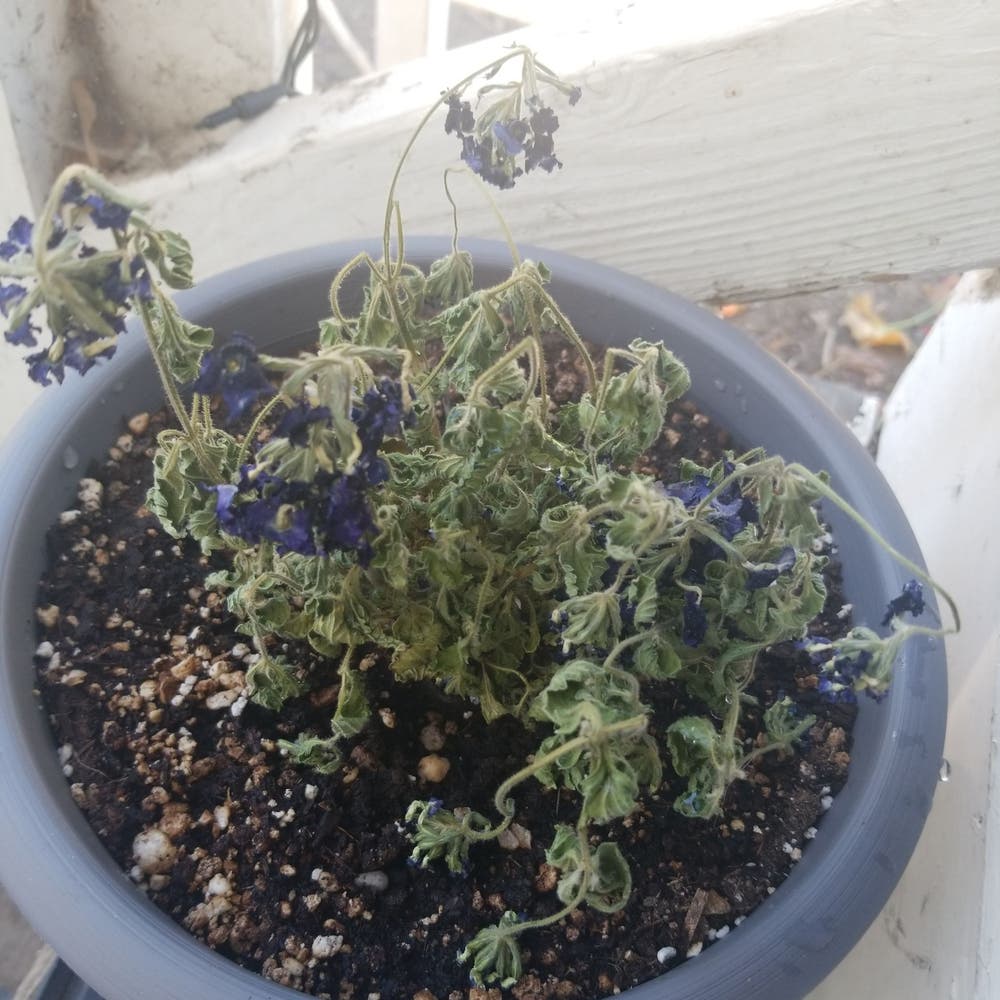
📏 Expected Size of Your Verbena
Verbena spp.
By the Greg Editorial Team
Aug 24, 2024•5 min read
This article was created with the help of AI so we can cover more plants for you. May contain errors. See one? Report it here.
- 🌱 Verbena typically grows 6 to 18 inches tall, depending on variety and care.
- ☀️ Full sun (6-8 hours daily) is essential for optimal verbena growth.
- 🌼 Pruning in spring helps maintain size and encourages healthy growth.
Mature Height and Spread
Typical Height Range 🌱
Verbena plants typically reach a mature height of 6 to 18 inches, depending on the specific variety you choose. Factors such as genetics, growing conditions, and care practices play a significant role in determining how tall your verbena will grow.
Spread 📏
When it comes to spread, verbena usually ranges from 12 to 24 inches. This variability is influenced by the variety and environmental factors, so it's essential to consider these aspects when planning your garden layout.
Growth Habits 🌿
Verbena exhibits different growth patterns, primarily categorized as bushy or sprawling. Understanding these habits is crucial for effective landscape use and spacing in your garden design, ensuring that each plant has enough room to thrive without overcrowding.
With this foundational knowledge of verbena's height and spread, you can make informed decisions about planting and care. Next, we’ll explore the growth rate and time it takes for your verbena to reach its full size.
Growth Rate and Time to Full Size
🌱 Growth Rate
Verbena typically exhibits a moderate growth rate, taking about 2 to 3 months to reach its full size. This timeframe can vary based on several factors, including the specific variety, environmental conditions, and care practices.
⚖️ Factors Influencing Growth Rate
Several elements can either accelerate or slow down the growth of your verbena. Adequate sunlight, proper watering, and nutrient-rich soil are crucial for promoting healthy growth. Conversely, poor soil quality or insufficient light can hinder its development.
⏳ Time to Full Size
Under optimal conditions, verbena can achieve its mature dimensions fairly quickly. Most varieties will reach their full height and spread within a few months, making them a rewarding choice for gardeners eager for vibrant blooms.
📊 Variety Comparison
Different verbena varieties may have distinct growth rates. For instance, some dwarf varieties may mature faster than their giant counterparts, which can take longer to reach impressive heights. Understanding these differences can help you choose the right type for your garden needs.
With a solid grasp of growth rates and timelines, you're well on your way to cultivating a thriving verbena garden. Next, let’s explore how various growing conditions can impact the size of your plants.
Size Variability Based on Growing Conditions
🌱 Soil Quality and Its Impact
Well-drained soil is crucial for verbena's optimal growth. Poor drainage can lead to root rot, stunting the plant's mature dimensions.
Soil fertility also plays a significant role. Nutrient-rich soil promotes robust growth, while depleted soil can limit height and spread.
☀️ Sunlight Exposure
Verbena thrives in full sun, requiring 6 to 8 hours of direct sunlight daily. Insufficient sunlight can result in leggy growth and reduced flowering.
Without adequate light, you may notice a decrease in both height and spread, impacting the overall aesthetic of your garden.
💧 Watering Practices
Consistent moisture is essential for achieving mature size. Regular watering helps the plant establish a strong root system.
However, striking a balance is key. Overwatering can drown the roots, while underwatering may lead to wilting and stunted growth.
Understanding these factors will help you create the ideal environment for your verbena, ensuring it flourishes beautifully. Next, let’s explore the different varieties of verbena and their unique characteristics.
Varieties
Dwarf Varieties 🌱
Dwarf verbena varieties, like 'Homestead Purple,' are perfect for compact spaces. They typically reach a mature height of 6 to 12 inches and spread about 12 to 18 inches.
These plants are ideal for small gardens or container planting, allowing you to enjoy vibrant blooms without overwhelming your space. Their manageable size makes them a favorite for window boxes and patio pots.
Giant Varieties 🌳
On the other end of the spectrum, giant verbena varieties can soar to heights exceeding 3 feet. These impressive plants often spread 2 to 3 feet, making them striking focal points in any garden.
When incorporating giant verbena into your landscape, consider their space requirements and potential need for support. Their robust stature can create stunning backdrops or serve as privacy screens, adding both beauty and functionality to your outdoor area.
As you explore these varieties, think about how each can enhance your garden's design and meet your specific needs. Whether you opt for the compact dwarf types or the towering giants, verbena offers versatility that can elevate any landscape.
Controlling Size
✂️ Pruning Techniques
Pruning is essential for maintaining the desired dimensions of your verbena. Regularly trimming back overgrown stems encourages bushier growth and prevents legginess.
The best time to prune is in early spring before new growth begins. This timing allows the plant to focus its energy on producing fresh foliage and blooms.
📏 Tips for Maintaining Dimensions
Controlling growth isn't just about pruning; environmental adjustments play a crucial role. Ensure your verbena has adequate spacing to prevent overcrowding, which can lead to excessive height.
Regular monitoring is vital. Keep an eye on your plants and be ready to intervene if they start to exceed your preferred size.
🌱 Seasonal Considerations
Understanding seasonal growth patterns can help you manage size effectively. In spring and summer, verbena tends to grow more rapidly, requiring more frequent pruning.
Adjust your care practices based on the season. For instance, during the cooler months, growth slows down, so you may need to reduce watering and fertilization to maintain size.
With these strategies, you'll keep your verbena looking its best while ensuring it fits perfectly into your garden design. Next, let’s explore the fascinating variety of verbena types available!
⚠️ Safety First
This content is for general information and may contain errors, omissions, or outdated details. It is not medical, veterinary advice, or an endorsement of therapeutic claims.
Always consult a qualified healthcare professional before using any plant as food, medicine, or supplement.
Never eat any plant (or feed one to pets) without confirming its identity with at least two trusted sources.
If you suspect poisoning, call Poison Control (800) 222-1222, the Pet Poison Helpline (800) 213-6680, or your local emergency service immediately.
Spotted an error? Please report it here.
Get your verbena to thrive beautifully 🌼 with Greg's personalized care tips that ensure optimal sunlight, soil, and watering for the perfect garden!