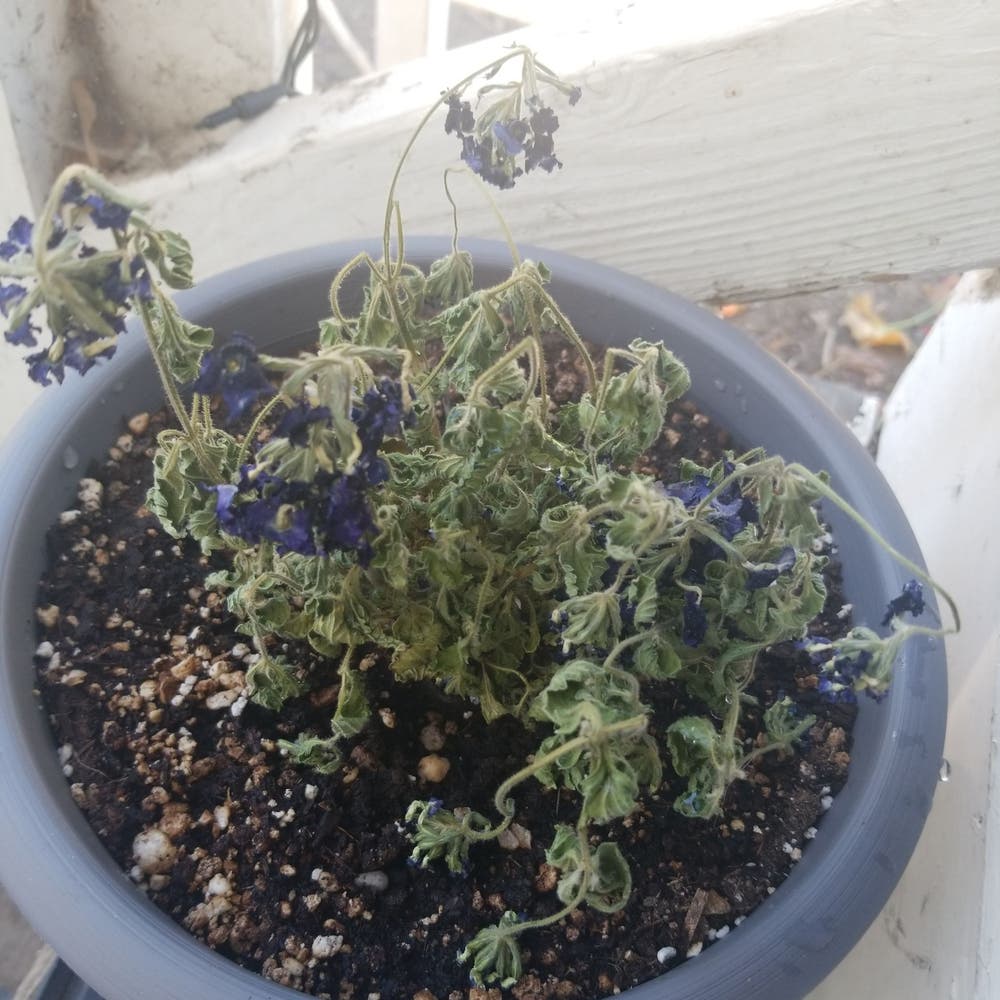
How to Fix Brown Spots on Your Vervain 🩹
Verbena spp.
By the Greg Editorial Team
Oct 15, 2024•7 min read
This article was created with the help of AI so we can cover more plants for you. May contain errors. See one? Report it here.
- 💧 Overwatering and underwatering cause brown spots; maintain balanced watering for Vervain health.
- 🌱 Fungal infections and pests lead to brown spots; regular inspections are crucial for prevention.
- ☀️ Excessive sunlight can scorch leaves; provide shade during extreme heat to protect Vervain.
Causes of Brown Spots
🌪️ Environmental Stressors
Overwatering
Overwatering can lead to yellowing leaves, mushy roots, and brown spots. Ensuring well-draining soil is crucial to prevent water from pooling around the roots.
Underwatering
On the flip side, underwatering manifests as wilting and crispy leaf edges, often accompanied by brown spots. Recognizing signs of drought stress is essential for maintaining your Vervain's health.
🍄 Fungal Infections
Powdery Mildew
Powdery mildew appears as white powdery spots that can eventually turn into brown areas on your plant. This condition thrives in high humidity and poor air circulation, making it vital to monitor your Vervain's environment.
Other Fungal Diseases
Other common fungal infections can also affect Vervain. Identifying symptoms early can help you take action before the situation worsens.
🥦 Nutrient Deficiencies
Nitrogen Deficiency
A nitrogen deficiency often shows up as pale leaves with brown spots. Nitrogen is essential for leaf health, so addressing this deficiency is crucial for vibrant foliage.
Potassium Deficiency
Marginal leaf browning and spots are signs of potassium deficiency. Potassium plays a significant role in overall plant vigor, making it important to keep your Vervain well-nourished.
🐜 Pest Infestations
Aphids
Aphids can cause curling leaves, sticky residue, and brown spots. Their presence can significantly impact your Vervain's health, so vigilance is key.
Spider Mites
Spider mites leave fine webbing and stippled leaves, often resulting in brown spots. They thrive in dry conditions, so maintaining humidity can help prevent infestations.
☀️ Sunburn and Leaf Scorch
Brown, crispy patches on leaves indicate sunburn or leaf scorch. Intense sunlight exposure, especially in hot climates, can lead to this damage, so providing some shade is beneficial.
Understanding these causes is the first step toward effectively addressing brown spots on your Vervain. Next, we'll explore how to diagnose these issues accurately.
Diagnosing Brown Spots
Identifying Symptoms and Patterns 🌿
To effectively diagnose brown spots on your vervain, start by observing the leaf color changes and spot patterns. Pay attention to whether the spots are concentrated on older or newer leaves, as this can provide crucial clues about the underlying issue.
Differentiating Between Causes 🐛
Next, differentiate between pests and diseases. Look for key indicators: pests often cause visible damage like curling leaves, while diseases may present as discoloration or spots.
Environmental stress and nutrient deficiencies can also mimic each other. If your plant shows signs of wilting or yellowing, consider whether it’s due to overwatering or a lack of essential nutrients.
Importance of Leaf Inspection 🔍
Regular leaf inspections are vital for early detection of problems. Use tools like a magnifying glass and ensure you have good lighting to spot subtle changes that might indicate a larger issue.
By staying vigilant and proactive, you can catch problems before they escalate, ensuring your vervain remains healthy and vibrant. This careful observation sets the stage for effective treatment options, which we’ll explore next.
Treatment Options
Adjusting Watering Practices 💧
Proper watering is crucial for your Vervain's health. Aim to keep the soil consistently moist but not soggy, watering when the top inch feels dry.
Recognizing the signs of overwatering is essential. Look for yellowing leaves and mushy roots, while underwatering typically presents as wilting and crispy leaf edges.
Applying Fungicides for Fungal Infections 🦠
If fungal infections are suspected, fungicides can be a game-changer. Look for products specifically formulated for Vervain, such as those containing neem oil or sulfur.
Timing is key; apply fungicides during the early morning or late afternoon for maximum effectiveness. Follow the manufacturer's instructions for application frequency to ensure your plant gets the best care.
Fertilizing for Nutrient Deficiencies 🌱
To combat nutrient deficiencies, consider fertilizers high in nitrogen and potassium. A balanced fertilizer can help restore your Vervain's vigor.
Apply fertilizers during the growing season, typically every 4-6 weeks, to maintain optimal nutrient levels. Always follow the recommended dosage to avoid over-fertilization.
Natural Pest Control Methods 🐞
Introducing beneficial insects like ladybugs can effectively manage pest populations. These natural predators feast on aphids and other harmful insects, promoting a healthier garden.
You can also create homemade insecticidal soap by mixing water with a few drops of dish soap. Spray this solution on affected areas to deter pests without harsh chemicals.
Pruning Affected Leaves ✂️
Pruning is a straightforward way to help your Vervain recover. Remove any leaves showing significant damage to redirect energy to healthier parts of the plant.
Use sharp, clean pruning shears for the best results. Regularly check your plant to ensure you're addressing issues promptly, keeping it vibrant and thriving.
With these treatment options, your Vervain can bounce back from brown spots and flourish once again. Next, let’s explore preventive measures to keep your plant healthy in the long run.
Preventive Measures
Proper Watering Techniques 🌊
Watering Vervain correctly is crucial for its health. Aim for deep, infrequent watering to encourage strong root systems while avoiding soggy soil.
Monitor soil moisture regularly to prevent both overwatering and underwatering. A moisture meter can be a handy tool for this task.
Soil Health and Amendments 🌱
Healthy soil is the foundation of a thriving Vervain plant. Consider adding organic matter, like compost, to improve drainage and nutrient content.
Testing your soil's pH and nutrient levels can help you understand what amendments are needed. This proactive approach ensures your plant gets the nutrients it craves.
Sunlight Requirements and Protection ☀️
Vervain loves sunlight but can suffer from too much exposure. Ideally, it should receive 6-8 hours of direct sunlight daily.
During extreme heat, providing shade can protect your plant from sunburn. Use shade cloth or strategically placed plants to create a cooler environment.
Regular Monitoring for Pests and Diseases 🔍
Creating a monitoring schedule is essential for early detection of issues. Check your Vervain weekly for any signs of pests or disease.
Look out for common indicators like discolored leaves or unusual spots. Catching problems early can save your plant from serious damage.
Seasonal Care Adjustments 🍂
Adjust your care practices as the seasons change. In winter, reduce watering and protect your plant from frost.
Understanding local climate conditions helps you tailor your approach. This adaptability ensures your Vervain remains healthy year-round.
By implementing these preventive measures, you can help your Vervain thrive and avoid the frustration of brown spots. Next, let’s explore how to effectively monitor and care for your plant after addressing any issues.
Aftercare and Monitoring
🌱 Signs of Recovery in Vervain
When your Vervain starts to heal, you'll notice new growth emerging. Look for vibrant green leaves replacing the brown spots, indicating the plant is bouncing back.
Typically, you can expect to see signs of recovery within a few weeks, depending on the severity of the damage. Patience is key, as healthy growth will gradually replace the affected areas.
🛠️ Ongoing Care Tips to Prevent Recurrence
To keep your Vervain thriving, establish a consistent care routine. Regular watering, appropriate fertilization, and monitoring for pests will go a long way in maintaining plant health.
Don't forget to adjust your care based on seasonal changes. This adaptability helps your Vervain cope with varying environmental conditions.
🩺 When to Seek Professional Help
If you notice persistent issues despite your best efforts, it may be time to consult a professional. Signs like widespread leaf damage or unexplained wilting can indicate deeper problems.
Look for local plant care professionals who specialize in Vervain or similar plants. Their expertise can provide tailored solutions to get your plant back on track.
Transitioning from recovery to ongoing care is essential for your Vervain's long-term health. With the right attention, your plant can flourish beautifully.
⚠️ Safety First
This content is for general information and may contain errors, omissions, or outdated details. It is not medical, veterinary advice, or an endorsement of therapeutic claims.
Always consult a qualified healthcare professional before using any plant as food, medicine, or supplement.
Never eat any plant (or feed one to pets) without confirming its identity with at least two trusted sources.
If you suspect poisoning, call Poison Control (800) 222-1222, the Pet Poison Helpline (800) 213-6680, or your local emergency service immediately.
Spotted an error? Please report it here.
Keep your Vervain spot-free 🌿 by using Greg's tailored reminders for watering and pest checks, ensuring your plant thrives through every season!