☀️ Why Verbena Leaves Turn Yellow
Verbena spp.
By the Greg Editorial Team
Aug 24, 2024•5 min read
This article was created with the help of AI so we can cover more plants for you. May contain errors. See one? Report it here.
- 🌱 Yellowing leaves indicate nutrient deficiencies, especially nitrogen and iron.
- 💧 Overwatering or underwatering can cause yellow leaves; balance is crucial.
- 🐛 Pests like aphids and diseases can lead to yellowing; regular inspections help.
Causes of Yellowing Leaves
🌱 Nutrient Deficiencies
Nitrogen Deficiency
Nitrogen deficiency is a common issue that manifests as pale green to yellow leaves, particularly affecting older foliage. This nutrient is crucial for plant growth and blooming, as it plays a vital role in photosynthesis and overall vigor.
Iron Chlorosis
Iron chlorosis presents itself through yellowing between leaf veins, leaving the veins themselves green. This condition often arises from high soil pH or poor drainage, which can limit iron availability to the plant.
💧 Watering Issues
Overwatering
Overwatering can lead to yellowing leaves, wilting, and even root rot. Ensuring well-drained soil is essential for Verbena to thrive, as excess moisture can suffocate roots.
Underwatering
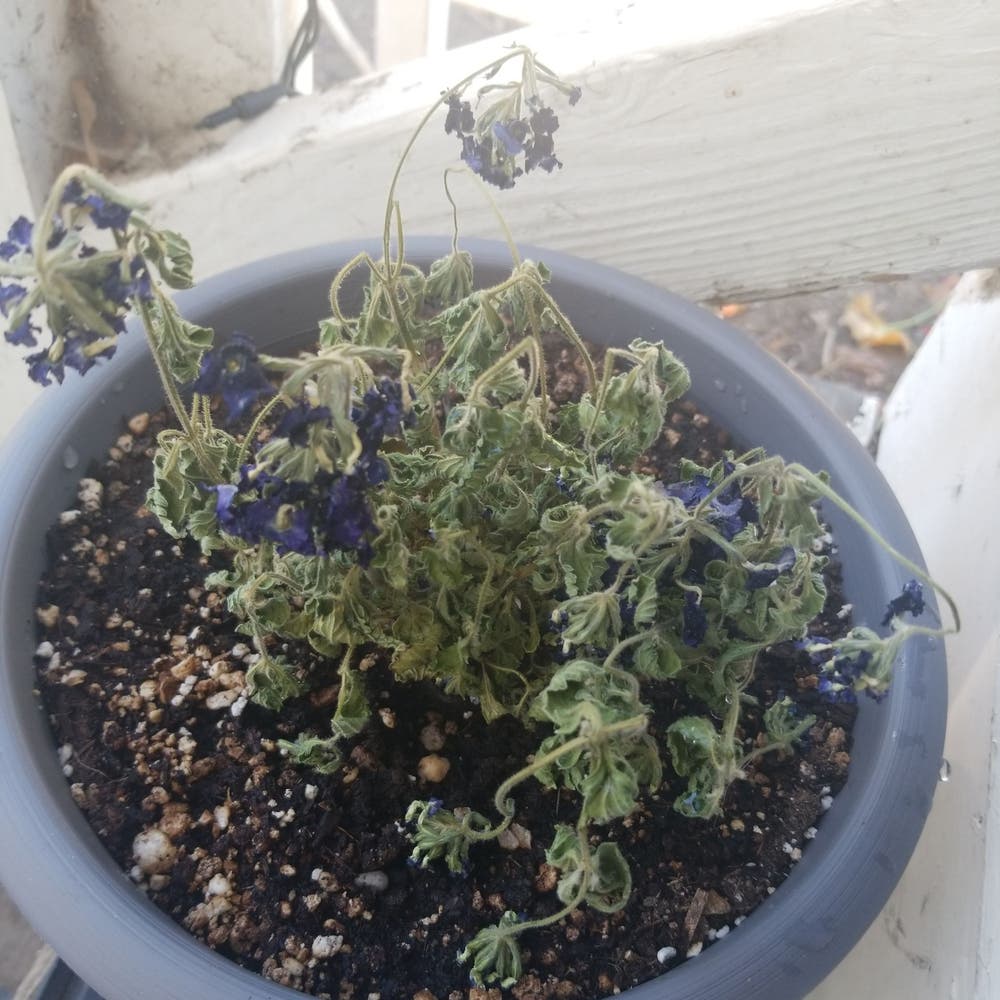
On the flip side, underwatering results in dry, crispy leaves and stunted growth. Signs of stress, such as leaf drop and wilting, indicate that the plant is not receiving enough water.
🐛 Pest Infestations
Aphids
Aphids are notorious for causing curling leaves and leaving a sticky residue, often accompanied by ants. Their presence can weaken plant growth and increase the risk of disease transmission.
Spider Mites
Spider mites create fine webbing and cause stippled leaves, particularly in dry, hot weather. These pests thrive under conditions that stress the plant, making vigilance essential.
🍄 Fungal Diseases
Powdery Mildew
Powdery mildew appears as white, powdery spots on leaves and thrives in high humidity with poor air circulation. This fungal disease can quickly spread if not addressed.
Root Rot
Root rot is characterized by wilting, yellowing leaves, and mushy roots. It typically results from overwatering and poorly draining soil, making it crucial to monitor moisture levels closely.
Understanding these causes of yellowing leaves is the first step in nurturing your Verbena back to health. Next, we’ll explore how to diagnose these issues effectively.
Diagnosing Yellow Leaves
Visual Symptoms to Look For 🌿
When diagnosing yellow leaves on your Verbena, start by identifying specific patterns. Notice whether the yellowing affects older leaves or newer ones, as this can indicate different issues.
Additionally, observe the leaf texture and overall plant vigor. Healthy leaves should feel firm and vibrant, while yellowing leaves may appear limp or brittle.
How to Assess Soil Moisture 💧
Next, assessing soil moisture is crucial for your plant's health. Use the finger test: insert your finger into the soil about an inch deep. If it feels dry, it’s time to water.
Alternatively, a moisture meter can provide a more precise reading. Verbena thrives when the soil is slightly dry between waterings, so aim for that balance.
Identifying Pests and Diseases 🐛
Regular inspections are key to catching problems early. Check the undersides of leaves and stems for any signs of pests.
Differentiate between pest damage and disease symptoms. Pests often leave visible signs like holes or sticky residue, while diseases may present as discoloration or wilting.
By staying vigilant and observant, you can maintain the health of your Verbena and prevent further yellowing. Next, let’s explore effective treatment options to revive your plant.
Treatment Options
Adjusting Watering Practices 💧
Proper watering is crucial for maintaining healthy Verbena. Aim to water when the top inch of soil feels dry, ensuring the plant receives enough moisture without becoming waterlogged.
Signs of overwatering include yellowing leaves, wilting, and root rot. Conversely, underwatering leads to dry, crispy leaves and stunted growth, so keep a close eye on your plant's needs.
Fertilization Techniques 🌱
Using the right fertilizer can significantly boost your Verbena's health. Opt for a balanced NPK ratio, such as 10-10-10, to provide essential nutrients.
Timing is key; apply fertilizer in early spring to kickstart growth and again in mid-summer to sustain vigor. This approach helps your Verbena thrive throughout the growing season.
Pest Control Methods 🐛
Pest infestations can wreak havoc on your plants, so proactive measures are essential. For organic options, consider using insecticidal soap or neem oil, which are effective against common pests.
If infestations persist, you may need to resort to chemical treatments. Use these as a last resort and follow the instructions carefully to minimize harm to beneficial insects.
Fungal Disease Management 🍄
Preventing fungal diseases starts with good cultural practices. Improve air circulation around your Verbena by spacing plants adequately and avoiding overcrowding.
If your plants do develop fungal issues, fungicides can be effective. Combine these treatments with cultural practices, such as ensuring proper drainage and avoiding overhead watering, to keep your Verbena healthy.
With these treatment options in hand, you can tackle yellowing leaves and ensure your Verbena flourishes. Next, let’s explore how to diagnose yellow leaves effectively.
Preventive Measures
🌱 Best Soil Practices
To keep your Verbena thriving, start with a well-draining potting mix enriched with organic matter. This ensures that the roots have the aeration they need while also retaining some moisture.
Maintaining the right soil pH is crucial. Aim for a slightly acidic to neutral range of 6.0 to 7.0 to promote optimal nutrient absorption.
☀️ Proper Sunlight Exposure
Verbena loves the sun, so place it in areas that receive full sunlight. This not only boosts growth but also enhances blooming.
As seasons change, be ready to adjust your plant's location. Moving pots or rearranging garden layouts can help ensure your Verbena gets the light it craves year-round.
🍂 Seasonal Care Tips
Spring is the perfect time for fertilization and pruning. This sets the stage for robust growth as the weather warms up.
In summer, focus on regular watering and keep an eye out for pests. Staying proactive can save you from bigger headaches later.
As fall approaches, prepare your Verbena for dormancy, especially in cooler climates. This helps the plant conserve energy for the next growing season.
🐛 Regular Monitoring for Pests
Establish a routine of weekly checks for any signs of pest infestation. Early detection is key to preventing larger outbreaks that can harm your plants.
By staying vigilant, you can catch issues before they escalate, ensuring your Verbena remains healthy and vibrant.
With these preventive measures in place, your Verbena will be well-equipped to flourish, setting the stage for a beautiful garden. Next, let’s dive into diagnosing yellow leaves to ensure your plants stay in top shape.
⚠️ Safety First
This content is for general information and may contain errors, omissions, or outdated details. It is not medical, veterinary advice, or an endorsement of therapeutic claims.
Always consult a qualified healthcare professional before using any plant as food, medicine, or supplement.
Never eat any plant (or feed one to pets) without confirming its identity with at least two trusted sources.
If you suspect poisoning, call Poison Control (800) 222-1222, the Pet Poison Helpline (800) 213-6680, or your local emergency service immediately.
Spotted an error? Please report it here.
Keep your Verbena vibrant and thriving 🌼 by using Greg's tailored reminders for nutrient balance and watering, ensuring those yellow leaves are a thing of the past!