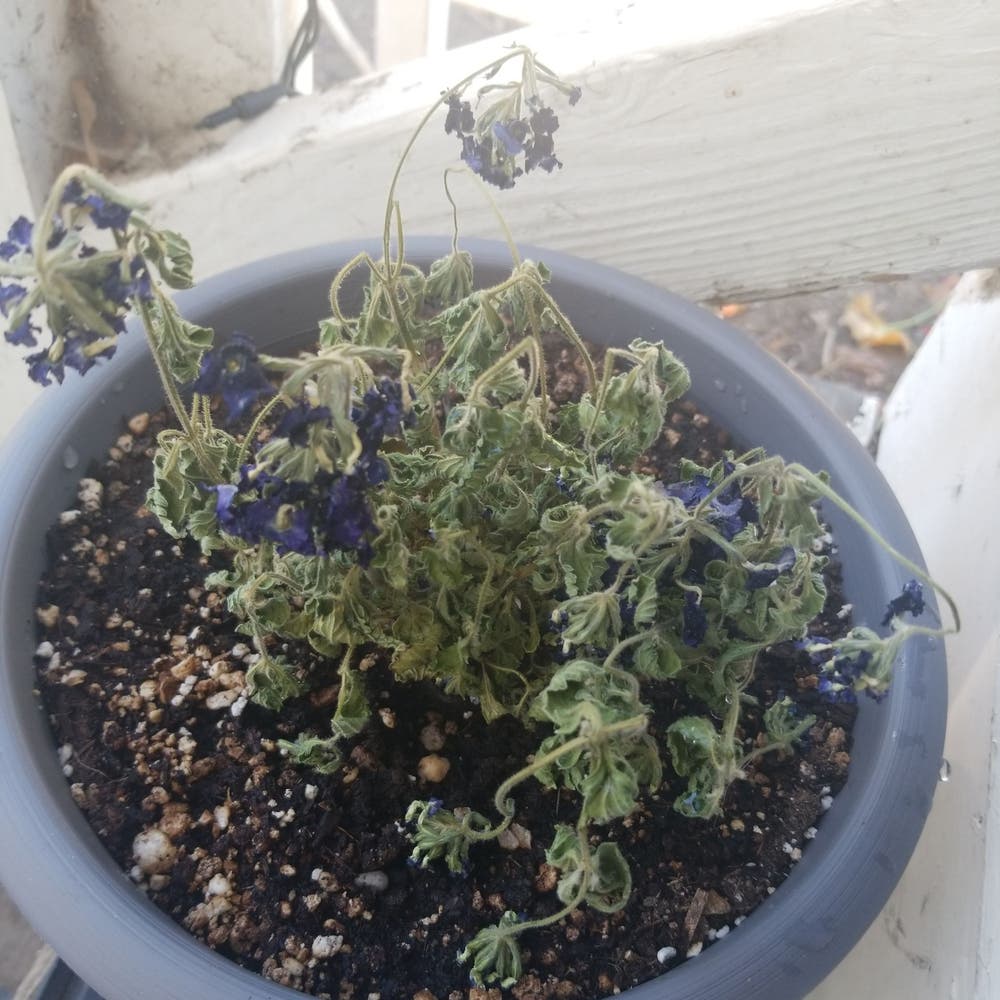
🍂 Why Your Vervain Leaves Are Falling Over
Verbena spp.
By the Greg Editorial Team
Oct 15, 2024•4 min read
This article was created with the help of AI so we can cover more plants for you. May contain errors. See one? Report it here.
- 💧 Overwatering causes drooping leaves; check for yellowing and mushy stems.
- 🌱 Nutrient deficiencies stunt growth; use balanced fertilizer for healthy vervain.
- 🌡️ Maintain ideal temperatures (60°F-75°F) to prevent environmental stress on your plant.
Causes of Leaf Drop
💧 Overwatering and Root Rot
Overwatering is a common culprit behind drooping vervain leaves. Look for symptoms like yellowing leaves, mushy stems, and a foul smell from the soil, which indicate root rot caused by fungal infections in waterlogged conditions.
To prevent this, always use well-draining soil and pots equipped with drainage holes. This simple step can save your plant from a soggy fate.
🚰 Underwatering and Drought Stress
On the flip side, underwatering can also lead to leaf drop. Symptoms include wilting leaves, dry soil, and crispy edges, signaling that your vervain is thirsty.
Prolonged drought can result in permanent leaf loss. To avoid this, regularly check soil moisture and water when the top inch feels dry.
🌱 Nutrient Deficiencies
Nutrient deficiencies can stunt your vervain's growth and affect its overall health. Common deficiencies include nitrogen, phosphorus, and potassium, which can lead to pale leaves and poor flowering.
Using a balanced fertilizer during the growing season can help replenish these essential nutrients. This simple addition to your care routine can make a world of difference.
🐞 Pest Infestations
Pests can wreak havoc on your vervain, causing leaves to drop. Watch for common pests like aphids, spider mites, and whiteflies, which leave behind sticky residue, webbing, and visible insects.
To control these pests, consider using insecticidal soap or neem oil. Introducing beneficial insects can also help keep the bad ones at bay.
🌡️ Environmental Stress
Environmental factors play a significant role in your plant's health. Vervain thrives in temperatures between 60°F to 75°F (15°C to 24°C). Extreme temperatures can lead to leaf drop due to heat stress or frost damage.
Moderate humidity is also crucial; avoid overly dry or humid conditions to keep your vervain happy. Adjusting these factors can create a more suitable environment for your plant.
Understanding these causes of leaf drop is essential for maintaining a healthy vervain. By addressing these issues, you can ensure your plant thrives and flourishes. Next, let’s explore effective solutions for drooping leaves.
Solutions for Drooping Leaves
Adjusting Watering Practices 🌊
To keep your vervain thriving, establish a watering schedule that emphasizes depth over frequency. Water deeply but infrequently, ensuring the soil remains moist without becoming soggy.
Improving Soil Drainage 🕳️
Soil drainage is crucial for healthy root systems. Mix potting soil with perlite or sand to enhance drainage, and always use pots with adequate drainage holes to prevent waterlogging.
Fertilizing Properly 🌱
A balanced fertilizer is key to vibrant growth. Apply it every 4-6 weeks during the growing season, choosing between liquid or granular options based on your preference and convenience.
Treating Pests and Diseases 🐛
Pest control is essential for maintaining plant health. Introduce beneficial insects and use organic pesticides, while also removing any affected leaves to improve air circulation and reduce disease spread.
Modifying Environmental Conditions 🌤️
Environmental factors play a significant role in plant health. Move your vervain indoors during extreme weather and consider using a humidifier or pebble trays to maintain optimal humidity levels.
By implementing these solutions, you can help your vervain leaves stand tall and healthy. Next, let’s explore some preventative measures to keep your plants thriving year-round.
Preventative Measures
Best Practices for Care 🌱
Establishing a consistent watering routine is crucial for your vervain's health. Regularly check the soil to ensure it remains well-draining and nutrient-rich.
Seasonal Care Tips 🌸
In spring, focus on fertilizing and preparing your plant for growth. During summer, keep an eye out for pests and maintain regular watering.
In fall and winter, reduce watering to prevent root rot and protect your vervain from frost. These seasonal adjustments can make a significant difference in your plant's resilience.
Regular Monitoring 🔍
Conduct weekly inspections for any signs of pests or diseases. Keeping a log of issues and treatments will help you track your plant's health over time.
By following these preventative measures, you can create a thriving environment for your vervain. This proactive approach not only enhances growth but also minimizes the risk of leaf drop.
⚠️ Safety First
This content is for general information and may contain errors, omissions, or outdated details. It is not medical, veterinary advice, or an endorsement of therapeutic claims.
Always consult a qualified healthcare professional before using any plant as food, medicine, or supplement.
Never eat any plant (or feed one to pets) without confirming its identity with at least two trusted sources.
If you suspect poisoning, call Poison Control (800) 222-1222, the Pet Poison Helpline (800) 213-6680, or your local emergency service immediately.
Spotted an error? Please report it here.
Keep your vervain thriving 🌿 by using Greg's personalized reminders for watering and nutrients, ensuring you catch any issues before those leaves start drooping!