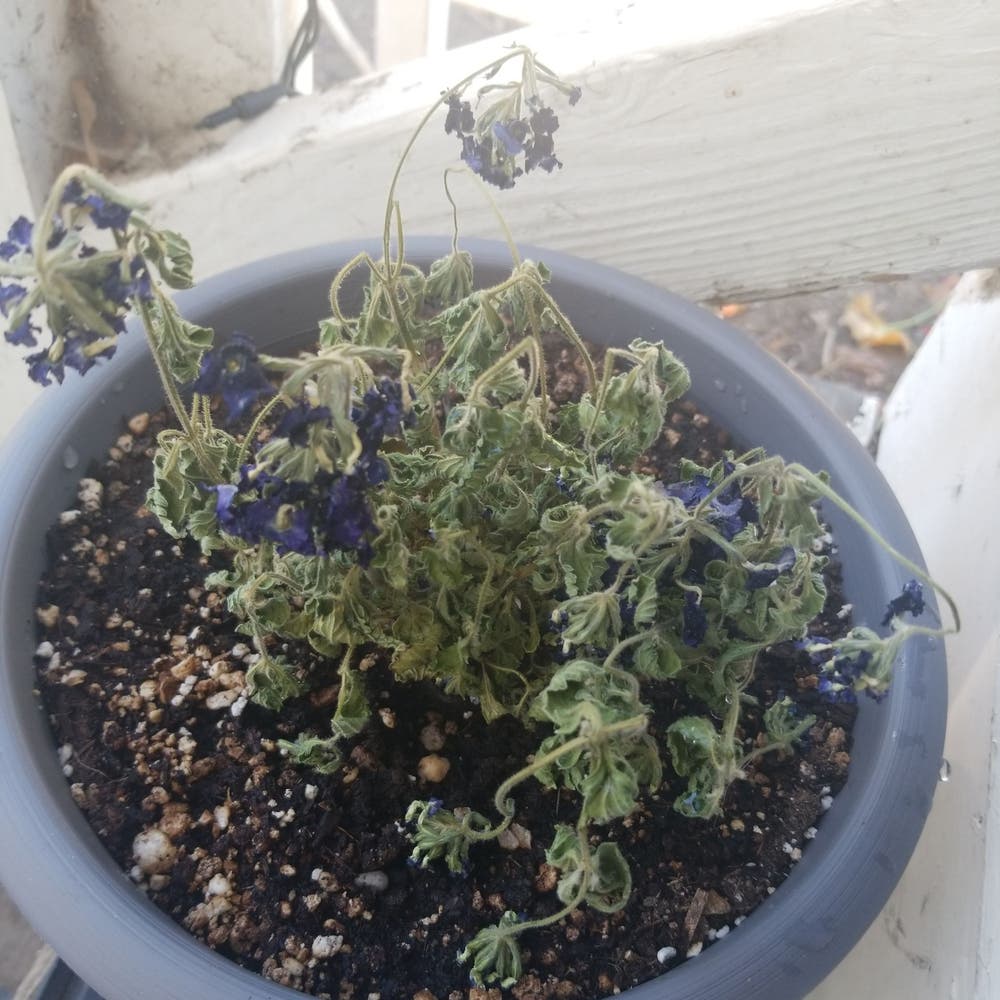
🍃 Understanding Curling Leaves on Your Verbena
Verbena spp.
By the Greg Editorial Team
Aug 24, 2024•6 min read
This article was created with the help of AI so we can cover more plants for you. May contain errors. See one? Report it here.
- 🌡️ Optimal temperatures for verbena are 60°F to 80°F for healthy growth.
- 🌿 Humidity levels of 40%-60% prevent leaf curling and browning in verbena.
- 🐜 Aphids and spider mites are common pests causing significant leaf curl on verbena.
Causes of Curling Leaves
🌪️ Environmental Stress Factors
Temperature Extremes
Verbena thrives in temperatures between 60°F to 80°F (15°C to 27°C). When temperatures stray too far from this range, you may notice symptoms like leaf curling and discoloration.
Humidity Levels
Moderate humidity, ideally between 40%-60%, is crucial for healthy Verbena. Low humidity can lead to curling leaves and browning tips, signaling that your plant is stressed.
🐛 Pests Affecting Verbena
Aphids
Aphids are tiny pests that leave a sticky residue on leaves, distorting their shape. Their presence can stunt growth and cause significant leaf curl.
Spider Mites
Look for fine webbing and speckled leaves as signs of spider mite infestation. These pests can cause yellowing and curling leaves, further stressing your plant.
🦠 Fungal Diseases
Powdery Mildew
Powdery mildew manifests as white, powdery spots on leaves. This fungal infection can lead to leaf curling and premature leaf drop if not addressed promptly.
Root Rot
Root rot is characterized by wilting and yellowing leaves, along with mushy roots. It often results from overwatering and poor drainage, making it vital to monitor your watering habits.
🥦 Nutrient Deficiencies
Nitrogen Deficiency
A lack of nitrogen can cause yellowing leaves and stunted growth. This deficiency often results in leaf curling and reduced vigor, indicating your plant needs a nutrient boost.
Potassium Deficiency
Potassium deficiency shows up as browning leaf edges and curling. This nutrient is essential for overall plant health, so addressing it is crucial for your Verbena's vitality.
💧 Watering Issues
Overwatering
Overwatering leads to wilting, yellowing, and curling leaves. Poor drainage or excessive watering can create a soggy environment that harms your plant.
Underwatering
On the flip side, underwatering results in dry, crispy leaves that curl. Signs like soil dryness and droopiness indicate your Verbena needs more water to thrive.
Understanding these causes is the first step in diagnosing and treating curling leaves on your Verbena. With the right care, you can restore your plant's health and beauty.
Diagnosing Curling Leaves
🌿 Identifying Symptoms of Leaf Curl
Curling leaves can manifest in two primary ways: upward or downward curling. Each type can indicate different issues, so it's essential to observe closely.
Color changes also play a crucial role in diagnosis. Look for yellowing, browning, or mottling, as these can signal underlying problems affecting your Verbena.
🐛 Differentiating Between Pest Damage and Environmental Stress
Pest damage often presents with visible insects, sticky residue, or fine webbing. If you notice these signs, pests are likely the culprits.
In contrast, environmental stress typically lacks visible pests. Instead, you'll see consistent symptoms tied to conditions like temperature or humidity, indicating your plant needs some TLC.
🦠 Recognizing Signs of Disease
Fungal infections, such as powdery mildew, can lead to noticeable discoloration on leaves. If you spot white spots or patches, it’s time to act.
Root issues can be trickier to identify. If your Verbena wilts despite adequate watering, it might be suffering from root rot or other underlying problems.
Solutions for Curling Leaves
🐛 Treatment for Pests
Pests can wreak havoc on your verbena, leading to curling leaves and stunted growth.
Insecticidal Soap
Insecticidal soap is an effective solution for controlling pests like aphids and spider mites. Apply it every 7 to 14 days, ensuring you cover both the tops and undersides of the leaves for maximum impact.
Neem Oil
Neem oil is another powerful option. Mix it with water and spray it on affected areas, ideally in the early morning or late evening to avoid leaf burn. This natural remedy not only targets pests but also helps prevent future infestations.
🍄 Addressing Fungal Infections
Fungal diseases can also cause curling leaves, so it's crucial to tackle them promptly.
Use of Fungicides
Fungicides can be effective against issues like powdery mildew. Choose a product specifically designed for your type of fungus and follow the application instructions carefully for the best results.
Cultural Practices
Improving air circulation around your plants can significantly reduce the risk of fungal infections. Avoid overhead watering, as this can create a damp environment conducive to disease.
🌱 Correcting Nutrient Deficiencies
Nutrient deficiencies can lead to curling leaves, so proper fertilization is key.
Fertilization Tips
For verbena, a balanced fertilizer with an NPK ratio of 10-10-10 is often recommended. This ensures your plants receive the essential nutrients they need for healthy growth.
Timing
Fertilize during the growing season, ideally in spring and early summer, to promote robust growth and prevent deficiencies.
💧 Adjusting Watering Practices
Proper watering is crucial for maintaining healthy verbena.
- Check Soil Moisture: Use your finger or a moisture meter to assess soil dryness.
- Watering Frequency: Allow the soil to dry out between waterings to prevent root rot.
- Drainage Solutions: Ensure you use well-draining soil and pots to facilitate proper drainage.
By implementing these solutions, you can effectively address the curling leaves on your verbena and promote a thriving plant. Next, let’s explore preventive measures to keep your verbena healthy year-round.
Preventive Measures
🌱 Best Practices for Verbena Care
Regular monitoring is essential for keeping your verbena healthy. Check for pests and environmental conditions frequently to catch any issues early.
Pruning is another key practice. Remove dead or damaged leaves to promote airflow, which helps prevent diseases.
📍 Choosing the Right Location
Sunlight is crucial for verbena. Aim for full sun exposure, ideally 6-8 hours daily, to ensure vibrant growth.
Be mindful of shade. Excessive shade can lead to diseases, so choose a location that balances sun and shelter.
🏗️ Soil Preparation and Amendments
The right soil conditions are vital. Verbena thrives in well-draining, fertile soil that allows roots to breathe.
Consider adding amendments like compost or perlite. These improve drainage and provide essential nutrients for robust growth.
🍂 Seasonal Care Tips to Prevent Leaf Curl
In spring, focus on fertilization and pest monitoring. This sets the stage for a healthy growing season.
During summer, maintain regular watering and keep an eye out for signs of stress. Consistent care is key to thriving plants.
As fall approaches, prepare for cooler temperatures. This is the time to address potential diseases and ensure your verbena is ready for the change.
By following these preventive measures, you can enjoy a flourishing verbena garden. Next, let’s dive into diagnosing curling leaves to tackle any issues that may arise.
⚠️ Safety First
This content is for general information and may contain errors, omissions, or outdated details. It is not medical, veterinary advice, or an endorsement of therapeutic claims.
Always consult a qualified healthcare professional before using any plant as food, medicine, or supplement.
Never eat any plant (or feed one to pets) without confirming its identity with at least two trusted sources.
If you suspect poisoning, call Poison Control (800) 222-1222, the Pet Poison Helpline (800) 213-6680, or your local emergency service immediately.
Spotted an error? Please report it here.
Keep your verbena thriving 🌱 by using Greg's tailored care tips and pest alerts to tackle curling leaves and ensure optimal growth conditions!