How to Recognize and Treat Root Rot in Your Verbena 💧
Verbena spp.
By the Greg Editorial Team
Aug 24, 2024•5 min read
This article was created with the help of AI so we can cover more plants for you. May contain errors. See one? Report it here.
- 🌱 Early symptoms of root rot include yellowing leaves and wilting. Check regularly!
- 🧼 Inspect and disinfect pots after removing plants to eliminate pathogens.
- 🌿 Use well-draining soil and pots to prevent root rot in your Verbena.
Recognizing Root Rot Symptoms
👀 Visual Signs
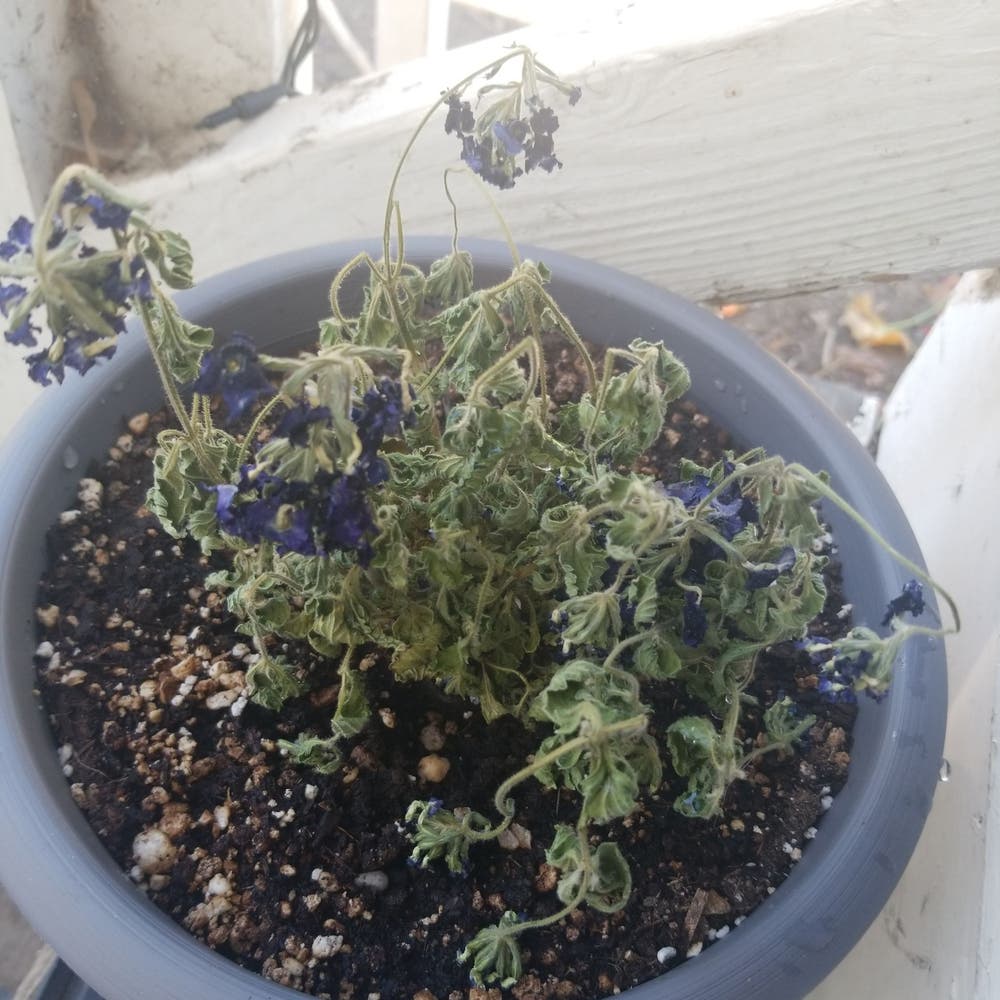
Discoloration of leaves is often the first sign of root rot. Look for yellowing and browning, which indicate that your Verbena is in distress.
Wilting can also occur even when you’ve watered adequately. This behavior change signals that the roots are struggling to absorb moisture.
🔄 Changes in Plant Behavior
Stunted growth is a clear indicator that root rot is affecting your plant's vigor. If your Verbena seems to be lagging behind, it might be time to investigate further.
Leaf drop is another distress signal. If leaves are falling off unexpectedly, it’s a sign that your plant is not thriving.
🔍 Root Examination Techniques
To inspect the roots, carefully remove your Verbena from its pot. This step is crucial for assessing the health of the root system.
When examining the roots, differentiate between healthy and rotting ones. Healthy roots are typically firm and white, while rotting roots appear brown and mushy.
Treating Root Rot
Step-by-Step Treatment Process 🌱
Remove the plant from the pot: Start by gently extracting your Verbena from its pot. Be careful to minimize any damage to the roots during this process.
Inspect roots: Once out, examine the roots closely. Trim away any dark, mushy areas, as these indicate rot.
Clean the pot: After removing the plant, disinfect the pot thoroughly. This step is crucial to prevent any lingering pathogens from causing re-infection.
Replant in fresh, well-draining soil: Choose a soil mix that promotes drainage, such as a blend of potting soil and perlite. This will help ensure your Verbena thrives after treatment.
Recommended Fungicides and Natural Remedies 🍄
Chemical options: Consider using effective fungicides like azoxystrobin or propiconazole. These can help eliminate root rot and protect your plant.
Natural remedies: If you prefer a gentler approach, try using cinnamon or neem oil. Both have antifungal properties and can aid in recovery.
Repotting Techniques 🪴
Choosing the right pot size and material: Opt for a pot that allows for adequate drainage. Terracotta pots are excellent as they absorb excess moisture, while plastic pots can retain water.
Best practices for repotting: When repotting, handle the plant with care. Ensure minimal stress by keeping the root ball intact and providing a supportive environment in its new pot.
By following these steps, you can effectively treat root rot and give your Verbena a fighting chance. Next, let’s explore how to prevent root rot from occurring in the first place.
Preventing Root Rot
🌱 Best Soil Types and Drainage Practices
Choosing the right soil is crucial for preventing root rot in your Verbena. Look for soil mixtures that include components like perlite, sand, or peat moss, which enhance drainage and aeration.
Soil aeration is equally important. Techniques such as mixing in coarse materials or using a fork to gently aerate the top layer can significantly improve soil structure, allowing roots to breathe and thrive.
💧 Watering Schedule and Techniques
Establishing an ideal watering frequency is key to maintaining healthy soil moisture. Generally, watering once a week is sufficient, but always check the top inch of soil; if it feels dry, it’s time to water.
To avoid overwatering your Verbena, consider using a moisture meter or simply sticking your finger into the soil. This simple technique helps you gauge when your plant truly needs water, preventing soggy roots.
🪴 Importance of Pot Size and Material
Selecting the right pot size is essential for healthy root growth. A pot that’s too small can restrict root expansion, while one that’s too large may retain excess moisture, leading to root rot.
When it comes to materials, terracotta pots are often preferred for their breathability, allowing moisture to evaporate. Plastic pots, on the other hand, retain moisture longer, which can be beneficial in drier climates but may pose a risk in humid conditions.
By implementing these preventive measures, you can significantly reduce the risk of root rot in your Verbena. Next, let’s explore effective treatment options if you find yourself facing this common issue.
Maintaining Health
Regular Care Practices to Avoid Root Rot 🌱
To keep your Verbena thriving, a consistent fertilization schedule is essential. Use a balanced fertilizer every four to six weeks during the growing season to meet their nutrient needs.
Pruning is another key practice. Regularly trim back overgrown stems to encourage air circulation, which helps reduce the risk of root rot and other diseases.
Seasonal Considerations 🍂
As the seasons change, so should your care practices. In spring, focus on promoting growth with increased watering and fertilization, while in fall, gradually reduce these to prepare your plant for dormancy.
Keep an eye on environmental conditions. Adjust your care based on humidity and temperature, ensuring your Verbena remains comfortable and healthy.
Monitoring and Adjusting Conditions 🔍
Light exposure is crucial for your Verbena's health. Ensure they receive full sun for at least six hours a day to promote robust growth.
Regularly check for signs of distress. Early detection of issues like wilting or discoloration can make all the difference in preventing root rot and keeping your plant vibrant.
By following these practices, you can maintain a healthy Verbena that flourishes throughout the seasons. Next, let’s explore effective strategies for preventing root rot before it even starts.
⚠️ Safety First
This content is for general information and may contain errors, omissions, or outdated details. It is not medical, veterinary advice, or an endorsement of therapeutic claims.
Always consult a qualified healthcare professional before using any plant as food, medicine, or supplement.
Never eat any plant (or feed one to pets) without confirming its identity with at least two trusted sources.
If you suspect poisoning, call Poison Control (800) 222-1222, the Pet Poison Helpline (800) 213-6680, or your local emergency service immediately.
Spotted an error? Please report it here.
Recognizing root rot early and taking action can keep your Verbena thriving 🌿, and with Greg's tailored care tips and watering reminders, you'll have everything you need for success!