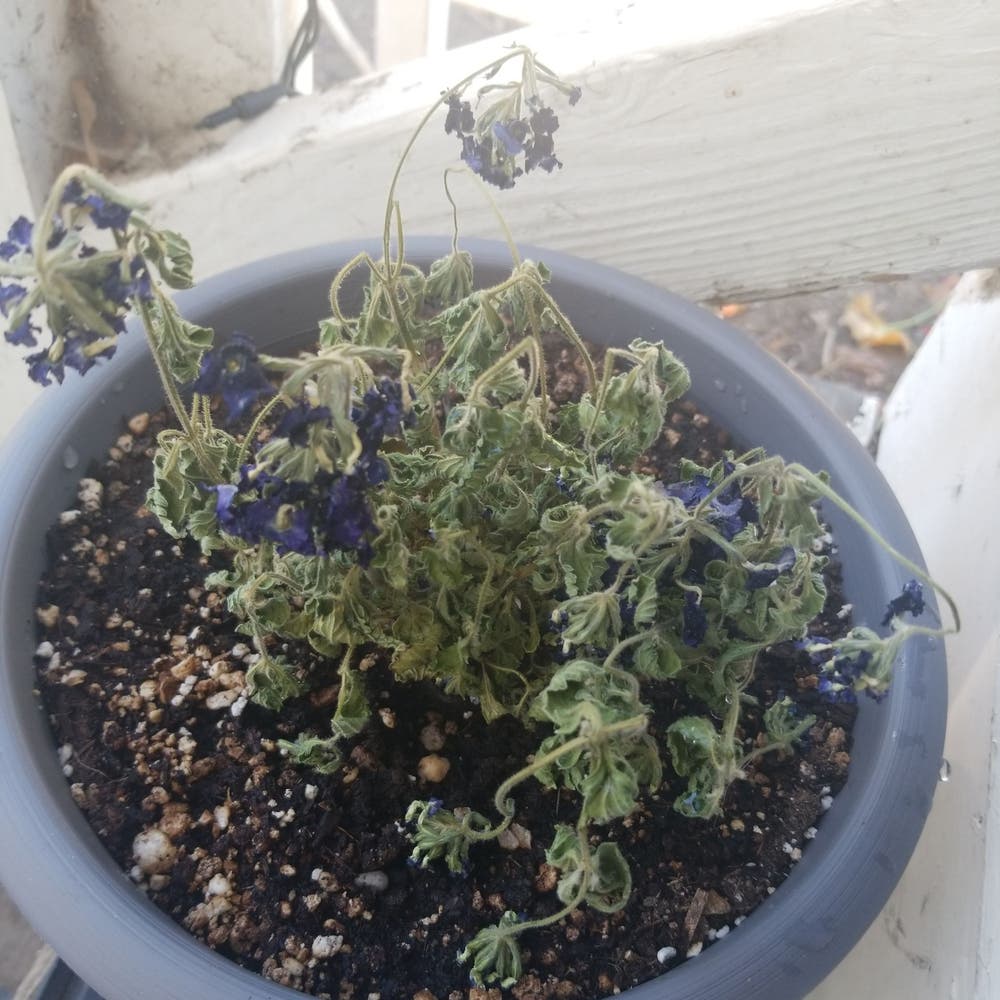
🌸 8 Tips for Fixing Flower Problems in Verbena
Verbena spp.
By the Greg Editorial Team
Aug 24, 2024•5 min read
This article was created with the help of AI so we can cover more plants for you. May contain errors. See one? Report it here.
- ☀️ Verbena needs 6-8 hours of sunlight daily for optimal blooming.
- 🌱 Nutritional deficiencies in nitrogen, phosphorus, and potassium hinder flowering potential.
- 💧 Overwatering causes root rot, impacting bloom production significantly.
Failure to Bloom
🌞 Potential Causes
Light Requirements
Insufficient sunlight is a common culprit for verbena's failure to bloom. These vibrant flowers thrive in full sun, requiring 6 to 8 hours of direct sunlight daily.
Environmental stress can also play a role. Extreme temperatures or sudden changes in weather can hinder blooming, leaving your plants looking lackluster.
Nutritional Deficiencies
Nutritional imbalances can stifle flowering. A lack of essential nutrients like nitrogen, phosphorus, and potassium can prevent your verbena from reaching its full blooming potential.
Environmental Stress
Poor soil drainage is another factor to consider. Overwatering can lead to root rot, which significantly affects bloom production.
💡 Solutions
Adjusting Light Exposure
To remedy light issues, consider relocating your plants to a sunnier spot. Alternatively, using reflective surfaces can enhance light exposure, giving your verbena the boost it needs.
Fertilization
Fertilization is key to encouraging blooms. Apply a balanced fertilizer high in phosphorus to stimulate flowering, and regularly check soil moisture to avoid the pitfalls of overwatering.
By addressing these potential causes and implementing the suggested solutions, you can help your verbena flourish and enjoy a vibrant display of blooms. Next, let’s explore what to do when flowers drop prematurely.
Premature Flower Drop
🕵️♂️ Causes
Overwatering
Excess moisture is a common culprit behind premature flower drop in verbena. When the roots sit in waterlogged soil, they can develop issues that lead to flower loss.
Pests
Pests like aphids can wreak havoc on your plants. Their infestations stress the plant, often resulting in bud drop.
Diseases
Fungal infections, particularly powdery mildew, can weaken your verbena. This condition not only affects the foliage but can also lead to significant flower loss.
🛠️ Solutions
Proper Watering Techniques
To combat overwatering, only water when the top inch of soil feels dry. Ensure your pots have good drainage to prevent water accumulation.
Pest Control
Regular inspections for pests are essential. If you spot any, treat your plants with insecticidal soap or neem oil to keep them healthy.
Disease Management
Improving air circulation around your verbena can help prevent diseases. Avoid overhead watering to reduce the risk of fungal issues and keep your plants thriving.
By addressing these causes and implementing effective solutions, you can help your verbena flourish and enjoy a vibrant display of blooms. Next, let’s explore how proper pruning techniques can further enhance flowering in your plants.
Abnormal Flower Development
🌱 Causes
Nutritional Imbalances
Excess nitrogen can lead to lush, green foliage but fewer flowers. This imbalance often results in a plant that looks healthy yet fails to produce the vibrant blooms you expect.
Pruning Mistakes
Incorrect timing or technique in pruning can disrupt the natural bloom cycle. If you prune too early or too late, you might hinder the plant's ability to flower effectively.
💡 Solutions
Correct Fertilization
To encourage blooming, use a fertilizer specifically formulated for flowering plants. Focus on balanced NPK ratios, ensuring your verbena gets the right nutrients to thrive.
Proper Pruning Techniques
Prune your verbena after the flowering season to promote new growth. This practice not only encourages more blooms in the next cycle but also helps maintain the plant's overall health.
By addressing these issues, you can transform your verbena from a foliage-heavy plant into a blooming beauty. Next, let’s explore effective pruning techniques to maximize those beautiful flowers.
Pruning Techniques for Better Blooms
When to Prune Verbena 🌸
The best time to prune verbena is after the flowering season. This timing promotes new growth, allowing your plants to thrive in the upcoming season.
Light pruning in early spring can also encourage denser blooms. This simple step can make a significant difference in the overall health and appearance of your plants.
How to Prune for Maximum Flowering ✂️
To achieve maximum flowering, consider these effective techniques:
Pinch Back Tips: Gently pinch back the tips of stems. This encourages bushier growth, leading to more blooms.
Remove Dead Flowers: Regularly remove dead or spent flowers. This practice promotes continuous blooming and keeps your verbena looking vibrant.
By following these pruning techniques, you can enhance the beauty of your verbena and ensure a flourishing display of flowers.
Next, let’s explore how to manage pests and diseases that can affect your verbena blooms.
Pest and Disease Management
🐜 Common Pests Affecting Verbena Flowers
Aphids are a common nuisance for verbena plants. Look for signs like curling leaves and a sticky residue on the foliage.
To control aphids, consider introducing beneficial insects like ladybugs or using insecticidal soap. These methods can help keep your plants healthy and thriving.
🦠 Diseases That Cause Flowering Issues
One of the most prevalent diseases affecting verbena is powdery mildew. This fungal infection manifests as white powdery spots on the leaves.
Prevent powdery mildew by ensuring good air circulation around your plants and avoiding overhead watering. These simple practices can make a significant difference.
🛡️ Prevention and Treatment Strategies
Regular monitoring is key to keeping your verbena healthy. Inspect your plants weekly for any signs of pests or diseases.
Adopt an integrated pest management approach. This means using a mix of biological, cultural, and chemical methods for effective control. By staying proactive, you can enjoy vibrant blooms all season long.
With these strategies in hand, you’re well-equipped to tackle any pest or disease issues that may arise. Next, let’s explore effective pruning techniques to maximize your verbena's flowering potential.
⚠️ Safety First
This content is for general information and may contain errors, omissions, or outdated details. It is not medical, veterinary advice, or an endorsement of therapeutic claims.
Always consult a qualified healthcare professional before using any plant as food, medicine, or supplement.
Never eat any plant (or feed one to pets) without confirming its identity with at least two trusted sources.
If you suspect poisoning, call Poison Control (800) 222-1222, the Pet Poison Helpline (800) 213-6680, or your local emergency service immediately.
Spotted an error? Please report it here.
Transform your verbena into a blooming masterpiece 🌸 with these tips, and let Greg guide you with tailored care reminders and pest solutions for thriving plants!