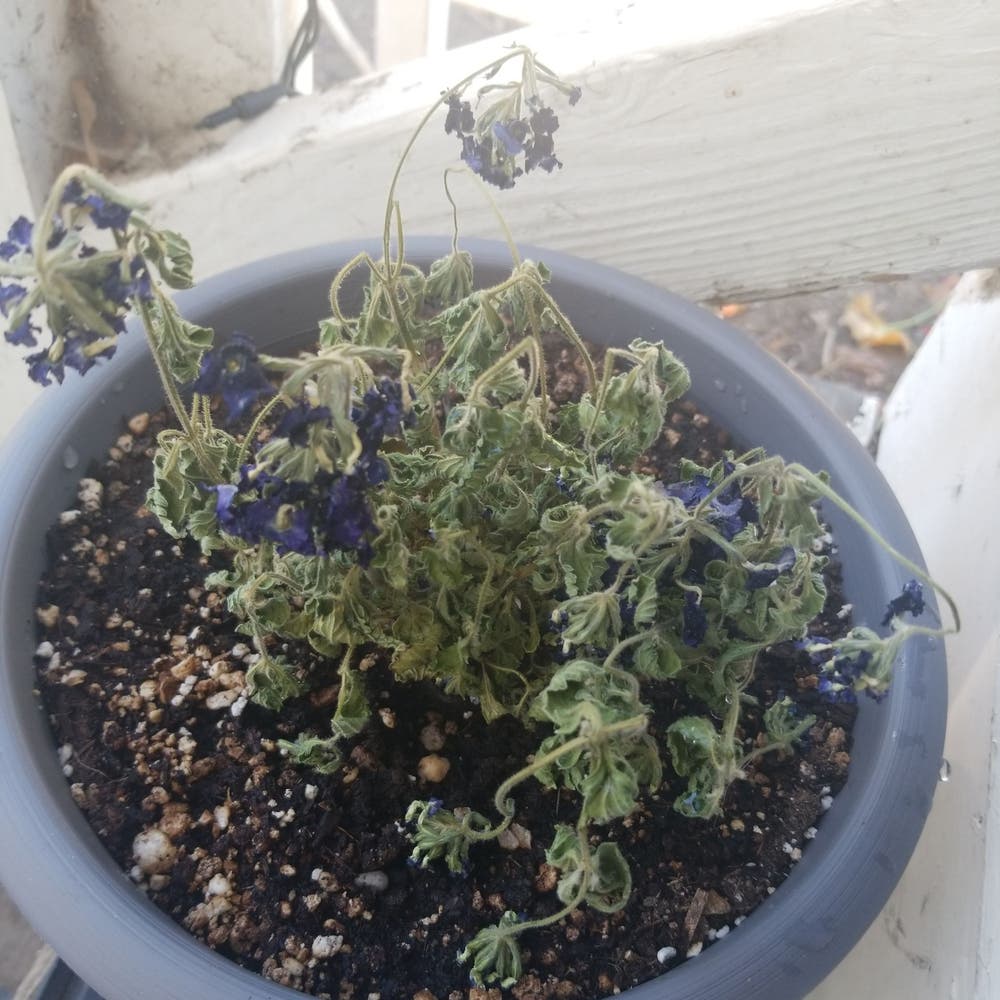
🦋 Why Your Vervain Buds Are Falling Off
Verbena spp.
By the Greg Editorial Team
Oct 15, 2024•5 min read
This article was created with the help of AI so we can cover more plants for you. May contain errors. See one? Report it here.
- 🌱 Vervain buds fall due to stress from pests, water issues, or environmental changes.
- 💧 Maintain consistent moisture; both overwatering and underwatering can cause bud drop.
- 🌞 Ensure 6-8 hours of sunlight daily for optimal blooming and healthy growth.
Common Causes of Bud Drop
🌱 Identifying Bud Drop
Bud drop can be frustrating for any gardener. Look for signs like buds falling off before they bloom and wilting flowers, especially during critical growth phases.
🔍 Potential Causes of Bud Drop
Several factors can lead to this issue.
Environmental Stress
Temperature fluctuations and humidity levels can stress your vervain, causing buds to drop prematurely.
Watering Issues
Both overwatering and underwatering can severely impact root health, leading to flower retention problems.
Pest Infestations
Pests like aphids and spider mites can create stress on your plants, resulting in bud drop.
🛠️ Solutions to Prevent Bud Drop
Fortunately, there are effective strategies to combat bud drop.
- Monitor Watering Practices: Ensure your vervain has consistent moisture without waterlogging.
- Adjust Environmental Conditions: Stabilize temperature and humidity levels to create a more favorable growing environment.
- Implement Pest Control Measures: Use neem oil or insecticidal soap to keep pests at bay.
By addressing these common causes, you can help your vervain thrive and enjoy a beautiful bloom. Next, let’s explore the signs that indicate your vervain may be failing to bloom altogether.
Failure to Bloom
🌼 Identifying Signs of a Non-Blooming Vervain
Noticing a lack of flower buds during the blooming season? Sparse or absent blooms can signal that something's amiss with your vervain.
Healthy foliage without flowers often indicates underlying issues that need addressing.
🔍 Potential Causes for Failure to Bloom
One major culprit is insufficient light. Vervain thrives in full sun, requiring 6-8 hours of direct sunlight daily.
Nutrient imbalances can also play a role, particularly excess nitrogen, which promotes lush foliage at the expense of blooms. Additionally, improper pruning techniques can hinder bloom production, affecting the timing and quality of flowers.
🌱 Solutions to Encourage Blooming in Vervain
To kickstart blooming, ensure your vervain is positioned in a spot that receives adequate sunlight.
Adjust your fertilization routine by using a balanced fertilizer with lower nitrogen content.
Lastly, prune correctly by removing dead or weak stems to encourage new growth and enhance blooming potential.
By addressing these factors, you can help your vervain flourish and produce the beautiful blooms you desire.
With these strategies in place, let’s explore how seasonal care can further enhance flowering in your vervain.
Abnormal Flower Development
🌸 Recognizing Abnormal Flower Development
Abnormal flower development can be frustrating for any gardener. Look out for symptoms like deformed flowers, inconsistent color, or varying sizes, especially during peak blooming periods.
🔍 Factors Leading to Abnormal Flower Growth
Several factors can contribute to these issues. Nutritional deficiencies, particularly a lack of essential nutrients like phosphorus, can stunt flower development.
Environmental stress also plays a significant role. Fluctuating temperatures and humidity levels can disrupt growth patterns, leading to abnormal flowers.
Pest damage is another culprit. Infestations can cause flowers to become malformed, impacting their overall appearance and health.
🛠️ Remedies for Improving Flower Quality
To tackle these challenges, start by conducting soil tests. This will help you identify and amend any nutrient deficiencies that may be affecting your plants.
Next, stabilize environmental conditions. Maintaining consistent temperature and humidity levels can significantly improve flower quality.
Finally, implement pest management strategies. Regular inspections and treatments will help keep your plants healthy and free from infestations.
By addressing these factors, you can enhance the beauty and vitality of your vervain flowers, ensuring they thrive in your garden. Now, let’s explore seasonal considerations to further support your flowering plants.
Seasonal Considerations
🌸 Seasonal Care Tips to Enhance Flowering
Spring is the perfect time to give your vervain a boost. Fertilizing with a balanced formula promotes healthy growth and prepares the plant for blooming.
As summer rolls in, keep your vervain looking its best by regularly deadheading. This simple act encourages continuous blooming and keeps your garden vibrant.
When fall arrives, it's time to prepare your vervain for dormancy. Reduce watering and fertilization to help the plant conserve energy for the colder months ahead.
🍂 Adjusting Care Practices Based on Seasonal Changes
Monitor light exposure: As the seasons change, adjust your plant's positioning to ensure it receives adequate sunlight.
Modify watering frequency: Increase watering during the hot summer months, but remember to decrease it as temperatures cool down.
Prune appropriately: Timing is key; adjust your pruning practices based on seasonal growth patterns to promote healthy development.
By adapting your care practices to the seasons, you can enhance flowering and ensure your vervain thrives year-round. This proactive approach not only nurtures your plants but also enriches your gardening experience.
Pests and Diseases
🐜 Common Pests Affecting Vervain Flowers
Vervain plants can fall victim to several pests that threaten their health. Aphids are notorious for curling leaves and leaving a sticky residue, which can attract other pests.
Spider mites are another common issue. Look for fine webbing and stippled leaves as indicators of their presence. Both pests can stress your plants, leading to bud drop and poor flower development.
🦠 Diseases That Cause Flower Drop or Abnormal Development
In addition to pests, diseases can wreak havoc on your vervain. Powdery mildew is characterized by white, powdery spots on leaves, signaling a fungal infection that can hinder growth.
Root rot is another serious concern, often caused by overwatering. This disease leads to wilting and flower drop, making it crucial to monitor your watering practices.
🛡️ Prevention and Treatment Options for Pests and Diseases
To keep your vervain healthy, regular inspections are key. Early detection of pests and diseases can save your plants from significant damage.
Consider using organic control methods like neem oil and insecticidal soap. These treatments are effective and safer for the environment.
Lastly, adopt good cultural practices. Ensure proper watering and air circulation to prevent disease, creating a thriving environment for your vervain.
With these strategies, you can protect your plants and encourage vibrant blooms. Next, let’s explore how seasonal changes affect your vervain care.
⚠️ Safety First
This content is for general information and may contain errors, omissions, or outdated details. It is not medical, veterinary advice, or an endorsement of therapeutic claims.
Always consult a qualified healthcare professional before using any plant as food, medicine, or supplement.
Never eat any plant (or feed one to pets) without confirming its identity with at least two trusted sources.
If you suspect poisoning, call Poison Control (800) 222-1222, the Pet Poison Helpline (800) 213-6680, or your local emergency service immediately.
Spotted an error? Please report it here.
Keep your vervain blooming beautifully 🌼 by using Greg's tailored care reminders to provide the perfect balance of water, light, and nutrients!