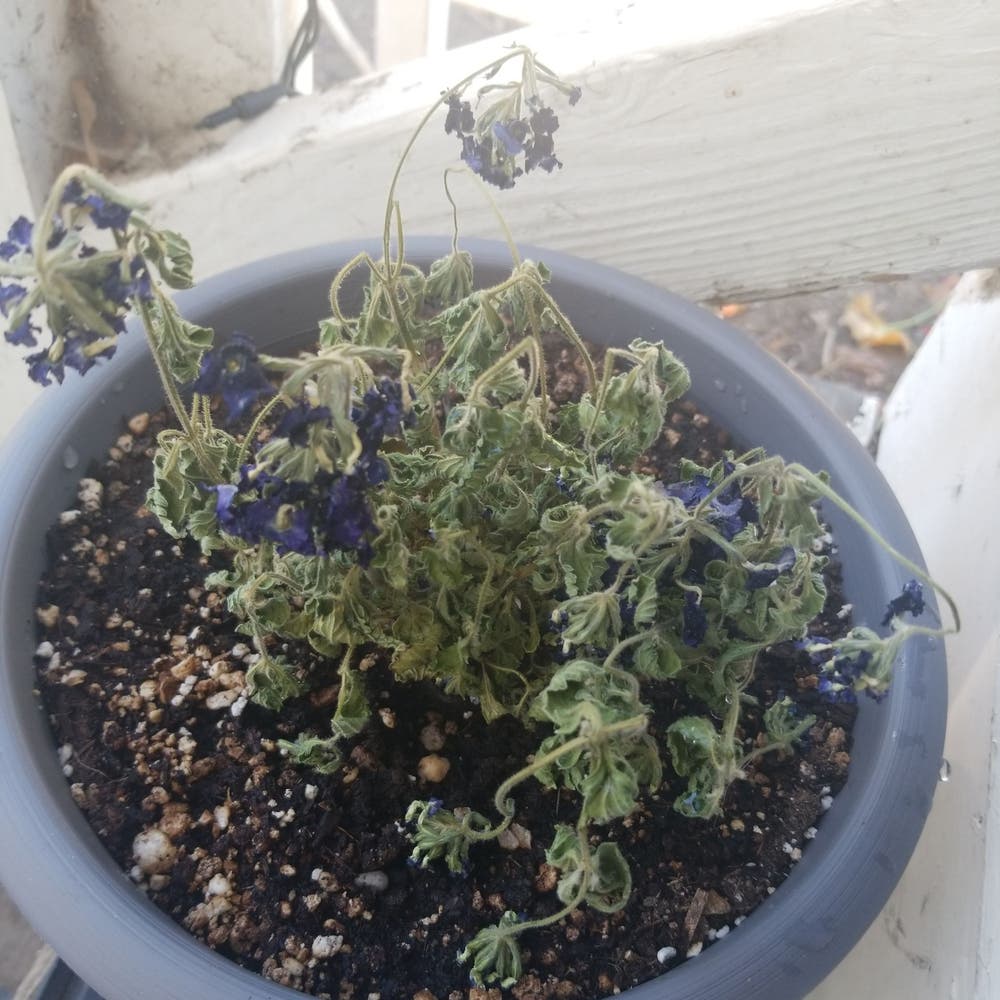
Best Tips for Droopy Leaves on Verbena 😢
Verbena spp.
By the Greg Editorial Team
Aug 24, 2024•5 min read
This article was created with the help of AI so we can cover more plants for you. May contain errors. See one? Report it here.
- 💧 Overwatering and underwatering both cause droopy leaves; check soil moisture regularly.
- ☀️ Verbena needs 6-8 hours of sunlight daily for optimal health and growth.
- 🐛 Pests like aphids can lead to droopy leaves; inspect for sticky residue and webs.
Diagnosing the Problem
🌊 Identifying Signs of Overwatering
Overwatering can be a sneaky culprit behind droopy leaves on your verbena. Look for symptoms like yellowing leaves, mushy stems, and even root rot, which can signal that your plant is drowning.
To check for overwatering, test the soil. If it feels soggy or lacks proper drainage, it's time to adjust your watering habits. Recovery signs include new growth and firm leaves, indicating your plant is responding positively to reduced watering.
💧 Recognizing Signs of Underwatering
On the flip side, underwatering can also lead to droopy leaves. Symptoms include wilting leaves, dry soil, and crispy edges, all of which indicate your verbena is thirsty.
Assess the moisture levels in the soil. If it feels parched, it's time to give your plant a drink. Recovery signs for underwatering include perked-up leaves and a return to vibrant color, showing that your verbena is bouncing back.
☀️ Assessing Light Conditions
Light conditions play a crucial role in the health of your verbena. Ideally, these plants thrive in full sun, requiring 6-8 hours of sunlight daily.
If you notice stretching stems or pale leaves, your plant may not be getting enough light. Conversely, signs of excessive light include leaf scorch and browning edges, indicating that your verbena needs some shade.
🐛 Checking for Pests and Diseases
Pests and diseases can wreak havoc on your verbena, leading to droopy leaves. Common pests include aphids and spider mites, which can leave behind sticky residue and webbing.
Look for symptoms of infestation, such as distorted leaves. Additionally, keep an eye out for disease indicators like fungal infections or bacterial spots, which can further stress your plant.
Understanding these signs will help you diagnose the problem effectively, setting the stage for the solutions that follow.
Solutions for Droopy Leaves
🌊 Adjusting Watering Practices
To revive droopy verbena, start with a proper watering schedule. Aim for deep watering once the top inch of soil feels dry, ensuring the roots get the moisture they need.
Consider the technique you use. Deep watering encourages roots to grow deeper, while surface watering can lead to shallow root systems.
Using moisture meters can be a game changer. These handy tools provide accurate readings, helping you avoid over or underwatering.
🕳️ Improving Soil Drainage
Soil drainage is crucial for healthy verbena. Enhance drainage by mixing in perlite or sand, which helps prevent waterlogging.
When choosing containers, opt for pots with drainage holes. This simple feature allows excess water to escape, keeping roots happy.
If your plant is still struggling, it might be time to repot. Choose a slightly larger pot with fresh soil to improve drainage and give your verbena room to grow.
☀️ Modifying Light Exposure
Light conditions play a vital role in plant health. Relocate your verbena to a spot that receives full sun for at least 6-8 hours daily.
If extreme heat is an issue, consider using shade cloth. This protects your plant while still allowing it to soak up essential light.
Don’t forget to rotate your plants regularly. This ensures all sides receive equal light, promoting balanced growth.
🐛 Treating Pests and Diseases
Pests can wreak havoc on your verbena. Use organic pest control methods like neem oil or insecticidal soap to keep infestations at bay.
For diseases, promptly remove affected leaves. Improving air circulation around your plants can also help prevent fungal infections.
Regular monitoring is key. Keep an eye on pest populations and overall plant health to catch any issues early.
With these solutions, your verbena can bounce back from droopiness. Next, let’s explore preventative measures to keep your plants thriving year-round.
Preventative Measures
Best Practices for Watering Verbena 🌊
Watering your Verbena correctly is crucial for its health. During the growing season, aim to water deeply but less frequently, adjusting based on seasonal changes and weather conditions.
Look for signs of proper watering, such as vibrant leaves and soil that’s moist but not soggy. Consider using the Greg plant care app to set reminders, ensuring you never miss a watering session.
Nutrient Management for Healthy Growth 🌱
A solid fertilization schedule can make all the difference. Feed your Verbena monthly during the growing season to promote lush growth and vibrant blooms.
Opt for balanced NPK fertilizers, which provide essential nutrients. Keep an eye out for signs of nutrient deficiency, like yellowing leaves or stunted growth, to address issues promptly.
Seasonal Care Tips to Prevent Droop 🍂
Each season brings unique care requirements for your Verbena. In spring, focus on preparing the plant for growth with adequate watering and fertilization.
During the summer, manage heat stress by ensuring consistent moisture levels. As fall and winter approach, adjust your care routine to accommodate the plant's dormant period, reducing watering and fertilizer frequency.
By following these preventative measures, you can keep your Verbena thriving and vibrant. Next, let’s explore how to monitor and maintain your plant for ongoing health.
Monitoring and Maintenance
🌿 Regular Checks for Droopy Leaves
Keeping an eye on your Verbena is crucial for its health. Aim for daily or weekly inspections to catch any early signs of distress.
Look for changes in leaf color, texture, and droopiness. These indicators can help you identify issues before they escalate.
🌱 Signs of Recovery in Verbena
When your Verbena starts bouncing back, you'll notice some clear signs. New growth and perked-up leaves are excellent indicators of improvement.
As your plant recovers, fine-tune your care routine based on these recovery signs. Adjusting your watering or light exposure can make all the difference.
🩺 When to Seek Professional Help
Sometimes, despite your best efforts, problems persist. Knowing when to consult a gardening expert can save your plant from serious issues.
Be on the lookout for signs of root rot, severe pest infestations, or disease spread. These are clear signals that professional intervention may be necessary.
By staying vigilant and responsive, you can ensure your Verbena thrives. With the right monitoring and adjustments, your plant can flourish beautifully.
⚠️ Safety First
This content is for general information and may contain errors, omissions, or outdated details. It is not medical, veterinary advice, or an endorsement of therapeutic claims.
Always consult a qualified healthcare professional before using any plant as food, medicine, or supplement.
Never eat any plant (or feed one to pets) without confirming its identity with at least two trusted sources.
If you suspect poisoning, call Poison Control (800) 222-1222, the Pet Poison Helpline (800) 213-6680, or your local emergency service immediately.
Spotted an error? Please report it here.
Revive your droopy verbena with Greg's tailored care tips 🌱 that help you master watering and light needs for a flourishing garden!