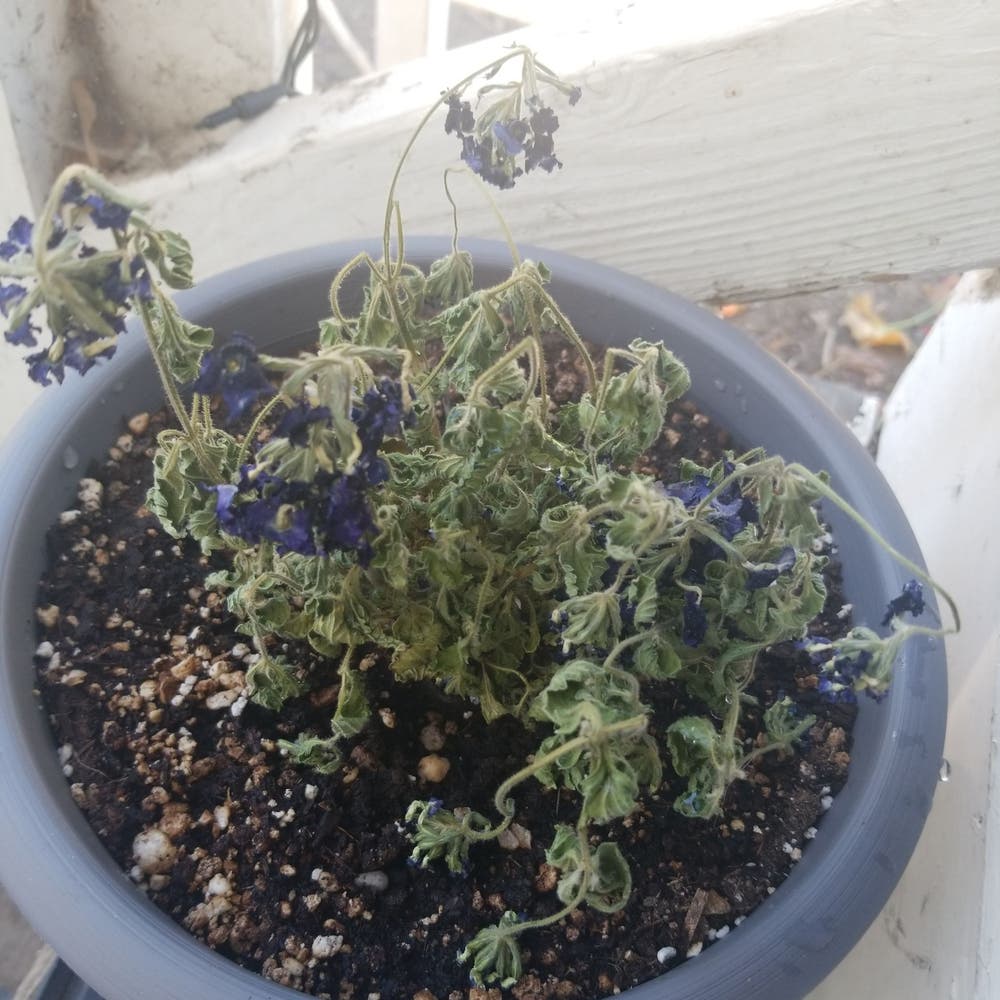
🔍 Ultimate Guide to Fixing Black Spots on Verbena
Verbena spp.
By the Greg Editorial Team
Aug 24, 2024•6 min read
This article was created with the help of AI so we can cover more plants for you. May contain errors. See one? Report it here.
- 🌱 Maintain consistent soil moisture to prevent root rot and black spots on Verbena.
- ☀️ Ensure at least six hours of sunlight daily for optimal Verbena health.
- 🐛 Identify and manage pests like aphids to prevent stress and disease in Verbena.
Diagnosing the Problem
🌍 Environmental Factors Contributing to Black Spots
Soil Moisture for Verbena
Maintaining the right soil moisture is crucial for healthy Verbena. Ideally, the soil should be kept consistently moist but not soggy; overwatering can lead to root rot and black spots on leaves.
Sunlight Requirements for Verbena
Verbena thrives in full sun, requiring at least six hours of direct sunlight daily. Insufficient light can weaken the plant, making it more susceptible to diseases.
Humidity Levels
High humidity creates a perfect environment for fungal growth, which can manifest as black spots. Monitoring humidity levels is essential, especially in warmer months.
🐛 Common Pests That Cause Leaf Damage
Aphids
Aphids are tiny pests that suck sap from leaves, leading to curling and yellowing. Look for clusters on new growth; their presence can significantly weaken your Verbena.
Spider Mites
These minuscule arachnids thrive in dry conditions, causing stippling on leaves. If you notice fine webbing, it’s a sign of spider mite infestation that needs immediate attention.
Whiteflies
Whiteflies are small, white insects that can cause significant damage by feeding on the undersides of leaves. Their presence often leads to yellowing and wilting, impacting overall plant health.
🏺 Soil Conditions Affecting Verbena Health
Soil Drainage
Well-drained soil is vital for preventing root rot, which can lead to black spots. Ensure your Verbena is planted in soil that allows excess water to escape easily.
Soil pH
The optimal pH range for Verbena is between 6.0 and 7.0. Testing your soil can help you maintain this balance, promoting healthy growth and reducing disease susceptibility.
Nutrient Levels
Nutrients play a critical role in plant health. A balanced supply of nitrogen, phosphorus, and potassium (NPK) helps strengthen your Verbena against diseases, including those that cause black spots.
Understanding these factors is essential for diagnosing and addressing the black spots on your Verbena. With this knowledge, you can take proactive steps to ensure your plants thrive. Next, let’s explore treatment options to tackle these issues effectively.
Treatment Options
🌱 Organic Treatments for Black Spots
Organic treatments are a fantastic way to tackle black spots on your Verbena without resorting to harsh chemicals.
Neem Oil
Neem oil is a powerful natural pesticide. To apply, mix 2 tablespoons of neem oil with a gallon of water and spray it on affected leaves every 7 to 14 days.
Baking Soda Solution
A baking soda solution can help combat fungal issues. Combine 1 tablespoon of baking soda, 1 teaspoon of liquid soap, and a gallon of water. Spray this mixture on the leaves every week until you see improvement.
Compost Tea
Compost tea not only nourishes your plants but also helps fight diseases. Brew it by steeping compost in water for 24-48 hours, then strain and apply it to your Verbena every couple of weeks.
⚗️ Chemical Fungicides for Severe Cases
When organic methods aren’t enough, chemical fungicides can provide a more robust solution.
Recommended Fungicides
Look for fungicides containing active ingredients like chlorothalonil or propiconazole. These are effective against a variety of fungal infections that can plague your Verbena.
Application Guidelines
Timing is crucial for fungicide application. Apply during the early morning or late afternoon, and repeat every 7 to 14 days, especially after rain, for the best results.
🏡 Home Remedies for Minor Infections
For minor infections, home remedies can be both effective and easy to implement.
Diluted Vinegar Spray
A diluted vinegar spray can deter fungal growth. Mix one part vinegar with three parts water and spray it on the affected areas once a week.
Soap and Water Solution
A simple soap and water solution can also help. Combine 1 tablespoon of mild liquid soap with a quart of water and spray it on the leaves to suffocate pests and reduce black spots.
By employing these treatment options, you can effectively manage black spots on your Verbena and keep your plants thriving. Next, let’s explore preventive measures to ensure your Verbena stays healthy and vibrant.
Preventive Measures
🌊 Best Practices for Watering Verbena
Watering your Verbena correctly is crucial for its health. Aim for a schedule that allows the soil to dry out slightly between waterings, typically every 5 to 7 days.
Monitor the moisture level by sticking your finger into the soil. If it feels damp, hold off on watering to prevent overwatering, which can lead to root rot.
🌬️ Importance of Air Circulation Around Plants
Good air circulation is vital for preventing fungal diseases. Space your Verbena plants at least 12 to 18 inches apart to allow for adequate airflow.
Regular pruning can also enhance airflow. Trim back any overcrowded or dead foliage to keep your plants healthy and thriving.
🌱 Choosing Disease-Resistant Verbena Varieties
Selecting disease-resistant varieties can save you a lot of trouble down the line. Look for options like 'Homestead Purple' or 'Aztec Gold,' which are known for their resilience.
Choosing the right variety for your climate is equally important. Research local conditions to ensure your Verbena thrives without unnecessary stress.
By implementing these preventive measures, you can significantly reduce the risk of black spots and keep your Verbena looking vibrant. Next, let’s explore seasonal considerations to further enhance your plant care strategy.
Seasonal Considerations
🌧️ Care Tips During Wet Seasons
Wet seasons can be tricky for Verbena. Adjusting your watering practices is crucial; reduce the frequency to prevent waterlogging.
Keep an eye out for signs of fungal infections. Increased vigilance during these months can save your plants from serious damage.
❄️ Preparing Verbena for Winter to Prevent Disease
Winterizing your Verbena is essential for their survival. Techniques like mulching and covering plants can provide the protection they need.
Before winter hits, monitor for signs of stress. Look for wilting leaves or discoloration, as these can indicate that your plants need extra care.
Maintaining Overall Plant Health
🌱 Nutrient Requirements for Healthy Verbena
To thrive, Verbena needs a balanced supply of essential nutrients. The ideal NPK (Nitrogen, Phosphorus, Potassium) ratio for optimal growth is typically 10-10-10 or 20-20-20.
Regular fertilization is crucial. Aim to fertilize every 4-6 weeks during the growing season, using a water-soluble fertilizer for best results.
✂️ Importance of Pruning and Deadheading
Pruning is vital for maintaining the health and appearance of your Verbena. Trim back dead or damaged stems in early spring to encourage new growth.
Deadheading, or removing spent flowers, not only keeps your plants looking tidy but also promotes more blooms. This simple act can significantly reduce the risk of disease.
🔍 Monitoring for Early Signs of Stress or Disease
Regular inspections are key to catching problems early. Check your Verbena plants at least once a week for any signs of stress or disease.
Look for changes in leaf color, texture, or growth patterns. Early detection can make all the difference in keeping your plants healthy and vibrant.
By focusing on these aspects of plant care, you can ensure your Verbena remains robust and beautiful. Next, let’s explore seasonal considerations to further enhance your gardening success.
⚠️ Safety First
This content is for general information and may contain errors, omissions, or outdated details. It is not medical, veterinary advice, or an endorsement of therapeutic claims.
Always consult a qualified healthcare professional before using any plant as food, medicine, or supplement.
Never eat any plant (or feed one to pets) without confirming its identity with at least two trusted sources.
If you suspect poisoning, call Poison Control (800) 222-1222, the Pet Poison Helpline (800) 213-6680, or your local emergency service immediately.
Spotted an error? Please report it here.
Keep your Verbena thriving and spot-free 🌼 by using Greg's tailored watering alerts and pest identification tools to tackle any issues head-on!