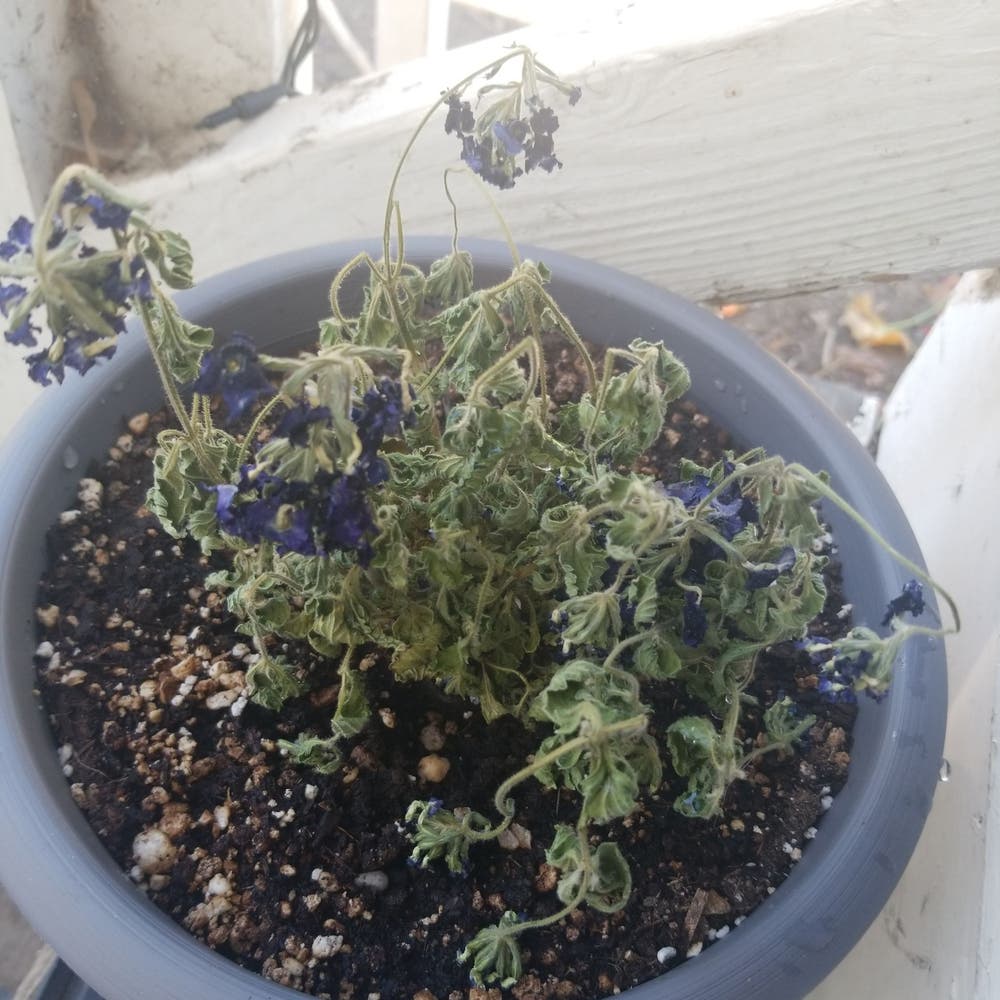
3 Tips for Healthy Vervain Roots 🥕
Verbena spp.
By the Greg Editorial Team
Oct 15, 2024•6 min read
This article was created with the help of AI so we can cover more plants for you. May contain errors. See one? Report it here.
- 🌱 Healthy Vervain roots are vital for nutrient uptake and plant resilience.
- 💧 Avoid overwatering to prevent root rot; consistent moisture is key.
- 🌍 Transplant in spring or fall for optimal root establishment and growth.
Type of Root System
🌱 Fibrous Root System
Vervain features a fibrous root system characterized by thin, branching roots that spread widely. This structure allows for efficient nutrient and water uptake, making it vital for the plant's overall health.
🔍 Specific Characteristics
These roots are adaptable to various soil conditions, thriving in diverse environments. However, they are sensitive to overwatering, which can lead to root rot, a common issue for many gardeners.
The root structure plays a crucial role in supporting the plant's resilience against stress factors, such as drought or nutrient deficiency. A healthy root system not only anchors the plant but also enhances its ability to absorb essential resources.
Understanding the fibrous root system of Vervain is key to ensuring its health and vitality. With the right care, these roots can flourish, setting the stage for a robust and thriving plant.
Next, we’ll explore root depth, spread, and growth patterns to further understand how to nurture Vervain effectively.
Root Depth, Spread, and Growth Patterns
🌱 Typical Root Depth and Spread
Vervain roots typically reach an average depth of 12 to 18 inches (30 to 45 cm). They can spread impressively, extending up to 2 feet (60 cm) in diameter, which allows them to efficiently absorb nutrients and water.
📈 Growth Patterns
During the growing season, Vervain experiences rapid root growth, establishing a strong foundation for the plant. However, seasonal dormancy can slow down this development, affecting overall root health and vigor.
Environmental conditions play a crucial role in root growth patterns. Factors like temperature, moisture, and soil quality can significantly influence how well the roots thrive. Understanding these dynamics helps in nurturing healthier plants.
In summary, recognizing the typical root depth and growth patterns of Vervain is essential for effective care. This knowledge sets the stage for better watering, fertilizing, and transplanting practices, ensuring your Vervain remains robust and vibrant.
Watering, Fertilizing, and Transplanting
🌱 How Root System Affects Watering Needs
Maintaining consistent moisture is crucial for Vervain roots. However, be cautious of waterlogging, which can suffocate roots and lead to rot.
Look for signs of overwatering, such as yellowing leaves or a mushy root ball. Conversely, underwatering may manifest as wilting or browning leaf tips.
🌿 Fertilization Considerations
Choosing the right fertilizer can significantly impact root health. Organic options like compost or balanced fertilizers work well for Vervain.
Timing is key; fertilize during the growing season, ideally every 4-6 weeks, to support robust root development.
🌍 Best Practices for Transplanting
Transplanting Vervain is best done in early spring or fall. This timing allows the plant to establish itself before extreme weather sets in.
Follow these steps for successful transplanting:
- Prepare the new planting site.
- Gently remove the plant, preserving the root ball.
- Replant at the same depth as before.
- Water thoroughly after transplanting.
By following these practices, you can ensure your Vervain thrives in its new environment. Next, let’s explore common root-related issues that may arise.
Common Root-Related Issues
🕵️ Identifying Common Problems
Root health is crucial for the overall vitality of Vervain plants. One of the most common issues is root rot, which occurs when roots sit in waterlogged soil. Symptoms include yellowing leaves, wilting, and a foul smell emanating from the soil.
Another problem is compacted soil, which restricts root growth and limits access to nutrients and water. Compacted soil can lead to stunted growth and poor plant health, making it essential to monitor soil conditions regularly.
🛠️ Tips for Prevention and Solutions
To prevent root rot, maintain consistent moisture levels without overwatering. Always check the top inch of soil; if it feels dry, it’s time to water.
Improving drainage is vital. Consider adding soil amendments like perlite or sand to enhance aeration and prevent compaction.
Regularly inspect roots during repotting to catch any issues early. Healthy roots should be white and firm, while unhealthy ones may appear brown and mushy.
By staying vigilant and proactive, you can ensure your Vervain thrives, setting the stage for robust growth and resilience. Next, we’ll explore indicators of root health to help you assess your plant's condition effectively.
Indicators of Root Health
👀 Visual Cues of Healthy vs. Unhealthy Roots
Healthy roots are a gardener's pride. They should be white, firm, and well-structured, indicating robust growth.
In contrast, unhealthy roots present a worrying sight. Look for brown, mushy, or foul-smelling roots, which signal potential problems like root rot.
📊 Other Indicators
Beyond root appearance, the overall vigor of the plant is a telling sign. A thriving plant exhibits strong growth patterns and vibrant leaf color.
If you notice yellowing leaves or stunted growth, it may be time to investigate root health. These visual cues can guide you in maintaining a flourishing Vervain plant.
Understanding these indicators helps ensure your plant remains healthy and resilient. With this knowledge, you can take proactive steps to nurture your Vervain roots effectively.
Rootbound Plants
Definition and Recognition 🌱
Rootbound plants occur when roots circle the pot, limiting their growth. You can spot a rootbound plant by its stunted growth, yellowing leaves, and poor water absorption.
When and How to Address Issues 🛠️
The best time to repot rootbound plants is in spring or early summer. Follow these steps to alleviate rootbound conditions:
- Remove the plant from its pot.
- Gently tease apart the roots.
- Trim excessively long or damaged roots.
- Replant in a larger pot with fresh soil.
By addressing rootbound conditions promptly, you can help your plants thrive and flourish. This simple intervention can make a significant difference in their overall health and vitality.
Propagation and Division
🌱 Importance of Root Health
Healthy roots are crucial for successful propagation. They ensure that new plants can establish themselves quickly and thrive.
Timing is also key. Aim to propagate in early spring or late summer when the plant is actively growing.
✂️ Techniques for Dividing
To divide your Vervain effectively, follow these steps:
Water the plant thoroughly before division. This helps reduce stress on the roots.
Use clean, sharp tools to divide the root ball. Clean tools prevent the spread of disease.
Ensure each division has sufficient roots and foliage. This balance is essential for the new plants to flourish.
Replant immediately in suitable soil. Fresh soil provides the nutrients needed for recovery.
By following these techniques, you can promote healthy growth and ensure your Vervain thrives in its new environment.
Next, we’ll explore common root-related issues that can affect your plants.
⚠️ Safety First
This content is for general information and may contain errors, omissions, or outdated details. It is not medical, veterinary advice, or an endorsement of therapeutic claims.
Always consult a qualified healthcare professional before using any plant as food, medicine, or supplement.
Never eat any plant (or feed one to pets) without confirming its identity with at least two trusted sources.
If you suspect poisoning, call Poison Control (800) 222-1222, the Pet Poison Helpline (800) 213-6680, or your local emergency service immediately.
Spotted an error? Please report it here.
Nurture robust Vervain roots 🌿 by ensuring consistent moisture and avoiding waterlogging, and let Greg's tailored reminders guide you to root health and resilience!