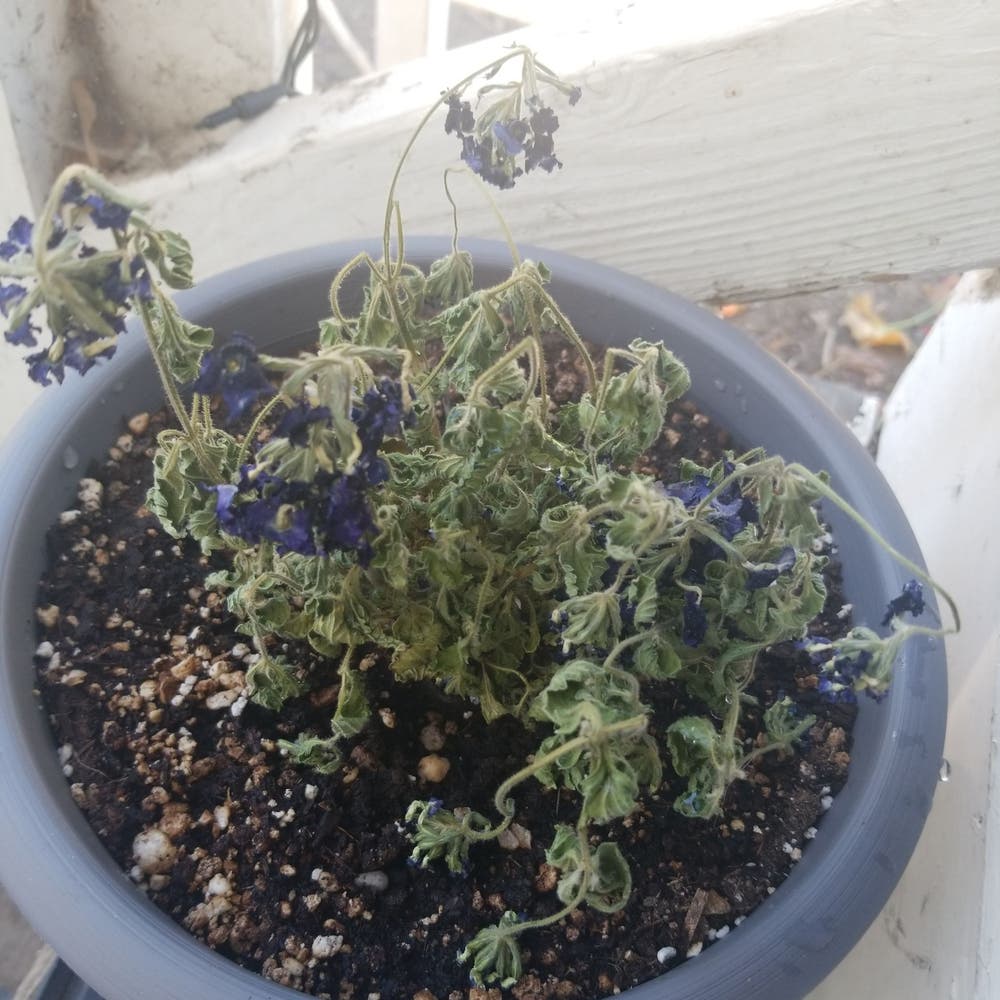
How to Recognize and Treat Root Rot in Your Vervain 💧
Verbena spp.
By the Greg Editorial Team
Oct 15, 2024•5 min read
This article was created with the help of AI so we can cover more plants for you. May contain errors. See one? Report it here.
- 🌱 Identify root rot by checking for dark, mushy roots and yellowing leaves.
- 🧼 Disinfect pots before repotting to eliminate lingering pathogens and prevent rot.
- 🌿 Use well-draining soil and monitor watering to keep Vervain healthy and thriving.
Treating Root Rot
Step-by-Step Treatment Process 🌱
Remove the affected Vervain from its pot
Start by gently taking your Vervain out of its pot. Be careful not to damage the roots during this process.Inspect the roots for rot
Look closely at the roots. Trim away any dark, mushy roots using sterilized scissors to prevent further spread of rot.Clean the pot and prepare fresh soil
Disinfect the pot thoroughly to eliminate any lingering pathogens. Prepare fresh soil to give your Vervain a healthy environment.Repot the Vervain in well-draining soil
Choose a soil mix that promotes drainage, ideally 50% potting soil and 50% perlite or sand. This combination helps prevent future root rot.
Recommended Fungicides or Treatments 🧪
Types of fungicides effective against root rot
Look for systemic fungicides with active ingredients like azoxystrobin or propiconazole. These can effectively combat root rot.Organic options
Consider using neem oil or cinnamon as natural remedies. Both are known for their antifungal properties and can be gentle on your plant.Application methods
Apply fungicides according to the product instructions. Ensure you cover the affected areas without over-saturating the plant.
How to Repot Vervain Affected by Root Rot 🌍
Timing for repotting
Wait a few days after treatment before repotting. This allows the plant to recover slightly from the shock.Steps for successful repotting
Ensure your new pot has adequate drainage holes. Fill it with the prepared soil mix, making sure the roots are well-covered but not buried too deep.Watering schedule post-repotting
After repotting, water your Vervain lightly. Gradually adjust your watering schedule based on the plant's recovery and environmental conditions.
By following these steps, you can effectively treat root rot and give your Vervain a fighting chance. Next, let’s explore how to prevent root rot from occurring in the first place.
Preventing Root Rot
Best Soil Types for Vervain 🌱
To keep your Vervain thriving, start with well-draining soil. This type of soil allows excess moisture to escape, preventing root rot.
Ideal Soil Composition for Vervain:
- 50% Potting Soil: Provides essential nutrients.
- 50% Perlite or Sand: Enhances drainage and aeration.
When shopping for soil, look for commercial mixes specifically labeled for herbs or flowering plants. These often contain the right balance of ingredients to support healthy root development.
Importance of Proper Watering Techniques 💧
Watering is crucial for Vervain health. The frequency and method can significantly impact root rot prevention.
Guidelines for Watering Vervain:
- Check Soil Moisture: Water only when the top inch of soil feels dry.
- Water Thoroughly: Ensure water reaches the roots but avoid standing water.
Overwatering is a common mistake. Watch for signs like yellowing leaves or a mushy stem, which indicate your plant is getting too much moisture.
Tips for Improving Soil Drainage 🚰
Improving soil drainage is key to preventing root rot. Here are some effective techniques:
- Add Perlite, Sand, or Gravel: Mix these materials into your soil to boost drainage.
- Use Pots with Adequate Drainage Holes: Ensure your pot has holes at the bottom to allow excess water to escape.
By implementing these strategies, you can create an environment where your Vervain flourishes. Healthy soil and proper watering techniques will go a long way in keeping root rot at bay.
As you focus on prevention, remember that regular monitoring of your plant's health is equally important. This vigilance will help you catch any issues before they escalate.
Monitoring Vervain Health
Regular Checks for Root Rot Signs 🕵️♂️
To keep your Vervain thriving, regular inspections are crucial. Aim to check your plant every two weeks, especially during the growing season.
During these checks, look for key indicators of root rot. Signs include yellowing leaves, wilting, or a foul smell from the soil. If you notice any of these symptoms, it’s time to investigate further.
Adjusting Care Based on Environmental Conditions 🌦️
Humidity and temperature play significant roles in your Vervain's health. High humidity can lead to overwatering, while low humidity may dry out the soil too quickly.
Tailor your care based on these conditions. For instance, in humid weather, reduce watering frequency and ensure good air circulation around the plant.
Additionally, monitor soil moisture levels regularly. Use your finger to check the top inch of soil; if it feels dry, it’s time to water. This simple practice can help prevent root rot and keep your Vervain happy.
By staying vigilant and adjusting care as needed, you can maintain a healthy Vervain and avoid the pitfalls of root rot. Next, let’s explore how to prevent root rot effectively.
Common Misconceptions
🌱 Myths About Root Rot in Vervain
Many gardeners believe that overwatering is the sole cause of root rot in Vervain. While excessive moisture can contribute, it's not the only factor at play.
Understanding the relationship between watering frequency and root health is crucial. Healthy Vervain needs consistent moisture, but the key is ensuring the soil drains well to prevent stagnant water.
Another common misunderstanding involves fungal infections. Some assume that root rot is always due to a fungal invasion, but it can also stem from poor drainage or environmental stress.
🔍 Clarifying the Difference Between Root Rot and Other Issues
Distinguishing root rot from other plant diseases is essential for effective treatment. Symptoms like yellowing leaves or wilting can indicate various problems, not just root rot.
For instance, pests or nutrient deficiencies can mimic root rot symptoms. Accurate diagnosis ensures you address the right issue, leading to a healthier Vervain.
Understanding these misconceptions helps you care for your plants more effectively. With the right knowledge, you can prevent root rot and keep your Vervain thriving.
Next, we’ll explore how to monitor Vervain health to catch any issues early.
⚠️ Safety First
This content is for general information and may contain errors, omissions, or outdated details. It is not medical, veterinary advice, or an endorsement of therapeutic claims.
Always consult a qualified healthcare professional before using any plant as food, medicine, or supplement.
Never eat any plant (or feed one to pets) without confirming its identity with at least two trusted sources.
If you suspect poisoning, call Poison Control (800) 222-1222, the Pet Poison Helpline (800) 213-6680, or your local emergency service immediately.
Spotted an error? Please report it here.
Keep your Vervain thriving 🌿 by using Greg's tailored care reminders to prevent root rot and ensure your plant stays healthy and happy!