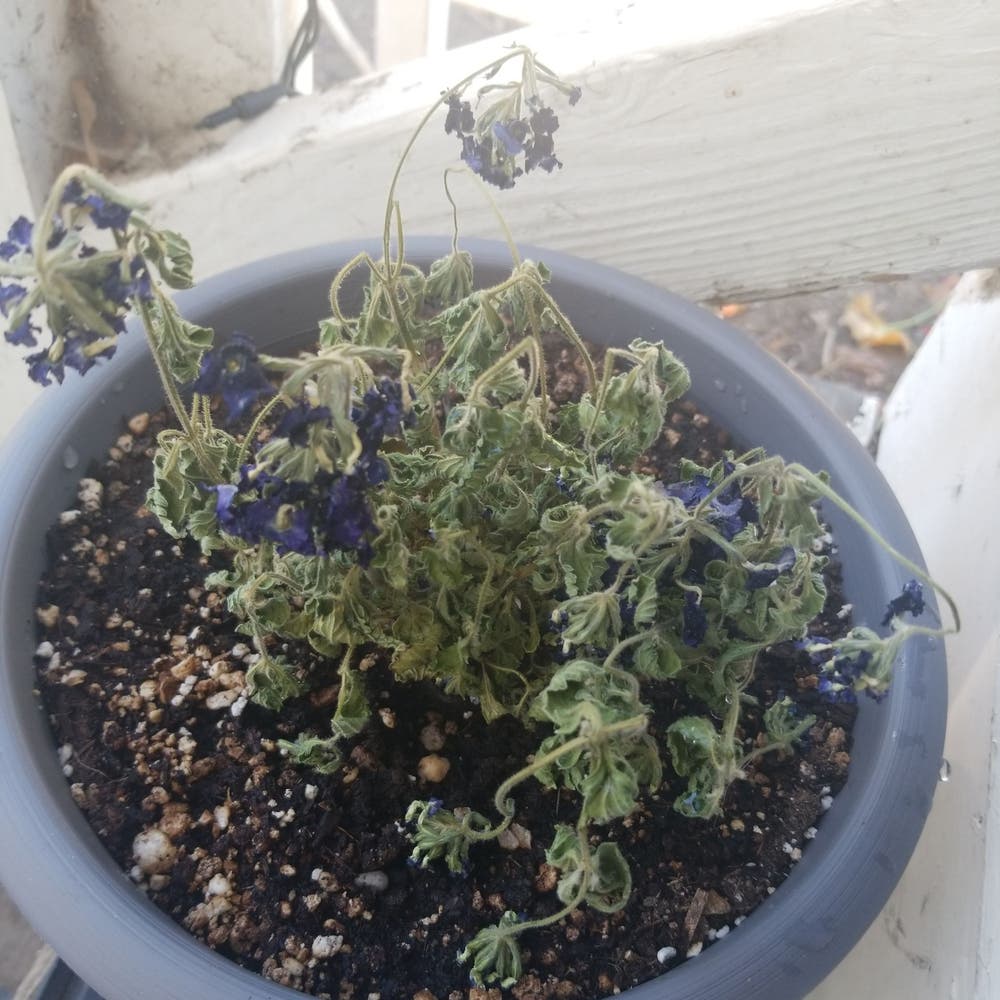
Vervain: A Common Weed
Verbena spp.
By the Greg Editorial Team
Oct 15, 2024•6 min read
This article was created with the help of AI so we can cover more plants for you. May contain errors. See one? Report it here.
- 🌱 Vervain is a competitive weed, outcompeting native plants and disrupting ecosystems.
- 🔍 Identify Vervain by its square stems and purple or blue tubular flowers.
- 🚫 Control Vervain through manual removal or targeted herbicide application during growth.
Plant Classification
Definition of Weeds and Invasive Species 🌱
Weeds are unwanted plants that invade cultivated areas, competing fiercely with desired crops and flowers. Invasive species, on the other hand, are non-native plants that spread aggressively, often disrupting local ecosystems and outcompeting native flora.
Criteria for Classifying Vervain as a Weed 🌿
Vervain is classified as a weed due to its rapid spread across various environments. Its competitive nature allows it to outcompete native plants for essential resources like sunlight, water, and nutrients.
Moreover, Vervain significantly impacts local ecosystems by altering habitats and reducing biodiversity. This combination of traits makes it a formidable presence in gardens and natural areas alike.
Understanding these classifications helps us appreciate the challenges posed by Vervain and the importance of managing its growth effectively. As we delve deeper into its identification and growth habits, we can better equip ourselves to tackle this common weed.
Identification
Key Identifying Features 🌿
Vervain is easily recognizable thanks to its distinct growth characteristics. It features square stems and opposite leaves, reaching heights of up to 3 feet.
The flowers are small and tubular, typically in shades of purple or blue. These vibrant blooms attract a variety of pollinators, making Vervain a noticeable presence in any garden or disturbed area.
Comparison with Look-Alike Plants 👀
When identifying Vervain, it's crucial to distinguish it from similar plants. Common look-alikes include:
- Lemon Balm: Unlike Vervain, Lemon Balm has a more rounded leaf shape and emits a strong lemon scent when crushed.
- Catnip: While also having square stems, Catnip's flowers are more pronounced and often white or lavender.
Understanding these differences can help prevent confusion and ensure accurate identification of Vervain in the wild.
With a solid grasp of Vervain's identifying features, you can move on to understanding its growth habits and spread.
Growth Habits and Spread
Typical Growth Patterns 🌱
Vervain thrives in disturbed areas, making roadsides, gardens, and construction sites its favorite haunts. Its adaptability allows it to flourish in various soil types and conditions, from sandy to clay-rich environments.
Reproductive Strategies and Methods of Spread 🌼
One of Vervain's most remarkable traits is its prolific seed production. With a high output and impressive seed viability, it ensures its presence in new areas.
Additionally, Vervain can propagate through its root systems and cuttings. This vegetative spread means that even a small fragment of the plant can lead to new growth, making control efforts more challenging.
Understanding these growth habits and reproductive strategies is crucial for effective management. By recognizing how Vervain spreads, we can take proactive steps to limit its impact on local ecosystems.
Next, we’ll delve into the ecological consequences of Vervain's presence and how it affects native plant communities and wildlife.
Ecological Impact
🌱 Effects on Native Plant Communities
Vervain competes aggressively with native plant species, leading to a significant reduction in biodiversity. This competition can alter habitat structures, disrupting the delicate balance of local ecosystems.
🦋 Impact on Wildlife and Biodiversity
The presence of Vervain also affects wildlife, particularly native pollinators and herbivores. As Vervain proliferates, it changes food availability, which can have cascading effects on the entire food web.
Understanding these impacts is crucial for effective management and control strategies. By recognizing how Vervain disrupts local ecosystems, we can take informed steps to mitigate its spread and protect native biodiversity.
Control and Management
🧤 Manual Removal Techniques
Manual removal is a straightforward yet effective way to control Vervain. Follow these steps for successful eradication:
- Identify the Area of Infestation: Locate where Vervain is growing, focusing on dense patches.
- Use Gloves and Tools: Equip yourself with gloves and tools like a spade or hoe to uproot the plants.
- Dispose of Plants Properly: Ensure you dispose of the uprooted plants in a sealed bag to prevent re-establishment.
🧪 Chemical Control Options and Best Practices
Chemical control can be effective if manual methods fall short. Herbicides containing glyphosate or triclopyr are commonly used against Vervain.
- Application Timing: Apply during the plant's active growth phase for maximum effectiveness.
- Follow Instructions: Always adhere to label instructions for safe and effective use.
🐞 Biological Control Methods and Their Effectiveness
Biological control methods are gaining attention as a sustainable option. Potential agents include specific insects or pathogens that target Vervain without harming native species.
- Research Ongoing: While promising, research is still in progress to determine the effectiveness of these agents.
🚫 Preventive Measures to Limit Spread
Preventing Vervain from establishing in new areas is crucial. Here are some strategies:
- Regular Monitoring: Keep an eye on gardens and disturbed areas for early signs of Vervain.
- Promote Native Plants: Encourage the growth of native plants, which can outcompete Vervain.
🔍 Importance of Early Detection and Rapid Response
Early detection is key to managing Vervain effectively.
- Monitoring Techniques: Use visual inspections and community reports to identify new infestations.
- Rapid Response: Act quickly to remove any new plants before they can spread further.
By implementing these control and management strategies, you can help mitigate the impact of Vervain in your area. Next, we’ll explore the legal status surrounding this invasive weed and what regulations you need to be aware of.
Legal Status
Overview of Laws and Regulations 🌍
Vervain's classification as a weed varies by region, with many local and national regulations addressing its management. In some areas, it is designated as a noxious weed, which means specific laws are in place to control its spread and impact.
Requirements for Removal or Control ⚖️
For regions where Vervain is considered a noxious weed, there are clear guidelines for its removal. These often include mandatory reporting of infestations and recommended methods for effective control, ensuring that communities can work together to mitigate its effects.
Understanding these regulations is crucial for landowners and gardeners alike. By adhering to local laws, you can help preserve native ecosystems and prevent Vervain from taking over.
As we delve deeper into the ecological impacts of Vervain, it’s essential to recognize how these regulations play a role in maintaining biodiversity.
Potential Benefits or Uses
📜 Historical Uses
Vervain has a rich history in herbal medicine and folklore. Traditionally, it was valued for its purported healing properties, often used to treat ailments like headaches and digestive issues.
In various cultures, vervain was considered a sacred plant. It was believed to ward off evil spirits and bring good luck, showcasing its significance beyond mere medicinal uses.
🌱 Current Beneficial Uses
Today, vervain is still recognized for some modern applications, particularly in herbal remedies and teas. However, it’s crucial to note that these benefits do not outweigh its negative impacts as an invasive weed.
While some people may appreciate its aesthetic appeal in gardens, the ecological consequences of its spread can be detrimental. Thus, it’s essential to approach vervain with caution, balancing any potential benefits against its invasive nature.
As we explore the next section, we'll delve into the legal status of vervain and the regulations surrounding its management.
⚠️ Safety First
This content is for general information and may contain errors, omissions, or outdated details. It is not medical, veterinary advice, or an endorsement of therapeutic claims.
Always consult a qualified healthcare professional before using any plant as food, medicine, or supplement.
Never eat any plant (or feed one to pets) without confirming its identity with at least two trusted sources.
If you suspect poisoning, call Poison Control (800) 222-1222, the Pet Poison Helpline (800) 213-6680, or your local emergency service immediately.
Spotted an error? Please report it here.
Combat Vervain's invasive spread and protect your garden's biodiversity 🌿 with Greg's tailored tips and community insights to keep your plants thriving!