🚫 Verbena is an Invasive Plant
Verbena spp.
By the Greg Editorial Team
Aug 24, 2024•7 min read
This article was created with the help of AI so we can cover more plants for you. May contain errors. See one? Report it here.
- 🌱 Verbena is invasive, threatening ecosystems by displacing native species and reducing biodiversity.
- ⚠️ Control methods include manual removal, herbicides, and biological predators for effective management.
- 📜 Legal regulations vary by region, emphasizing the importance of compliance for landowners.
Plant Classification
Definition of Weeds and Invasive Species 🌱
Weeds are unwanted plants that invade cultivated areas, competing fiercely with desired plants for vital resources like sunlight, nutrients, and water. Invasive species, on the other hand, are non-native plants that spread rapidly, often causing significant harm to local ecosystems.
Criteria for Classifying Verbena as Invasive 🚫
Verbena meets several criteria that classify it as an invasive species. Its rapid spread allows it to quickly colonize disturbed areas, making it a formidable competitor against native plants.
Additionally, Verbena's competitive nature enables it to outcompete local flora for essential resources. This aggressive behavior alters habitats and significantly reduces biodiversity, posing a serious threat to ecosystem balance.
Comparison with Other Common Invasive Plants 🔍
When comparing Verbena to other common invasive plants, such as Japanese Knotweed and Purple Loosestrife, similarities emerge. All three species exhibit rapid growth and a tendency to dominate their surroundings.
However, they differ in their growth habits and ecological impacts. For instance, while Japanese Knotweed thrives in dense thickets, Verbena often sprawls or grows upright, affecting local ecosystems in unique ways.
Understanding these distinctions is crucial for effective management and control strategies.
Identification
Key Identifying Features of Verbena 🌼
Identifying Verbena is straightforward once you know what to look for. Its leaves are opposite, serrated, and have a rough texture, making them quite distinct.
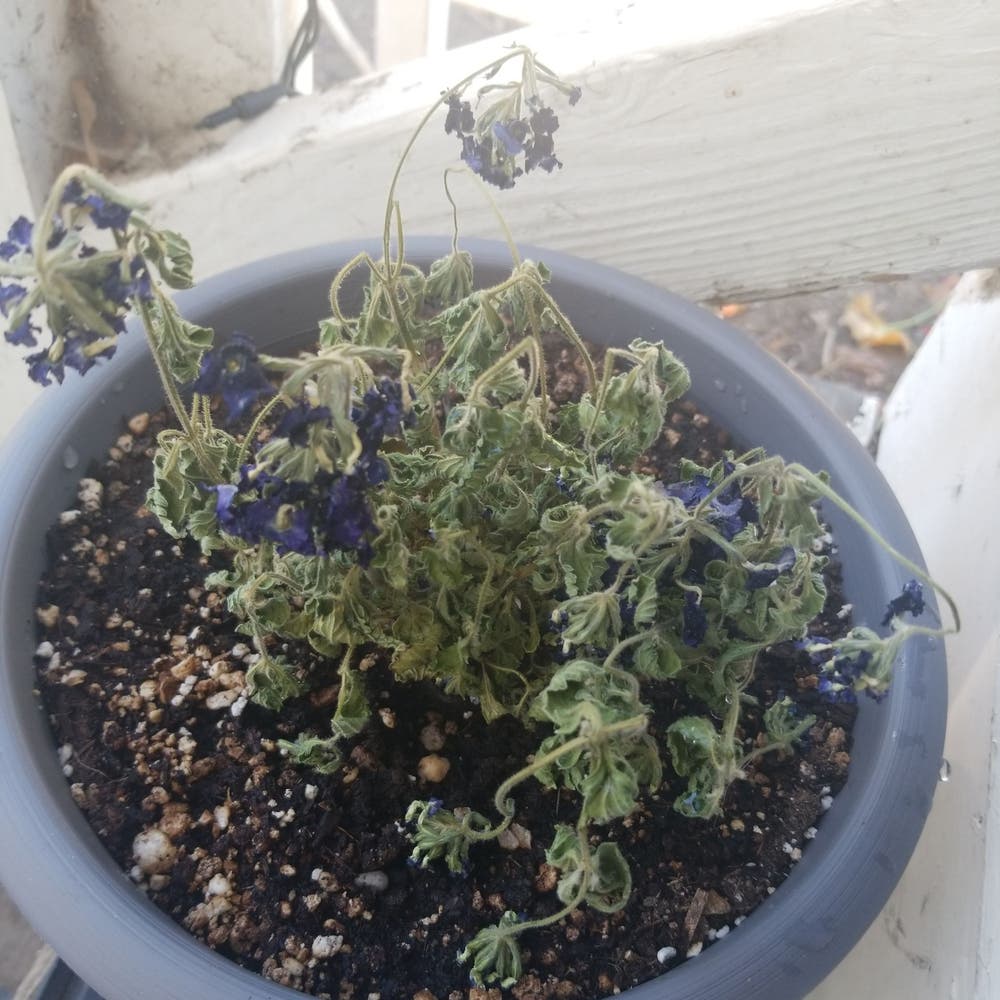
The flowers are small and tubular, often appearing in clusters. You’ll typically see them in shades of purple or blue, adding a splash of color to any area they invade.
Growth Habit 🌱
Verbena can grow in two main forms: sprawling or upright, depending on the species. This adaptability allows it to thrive in various environments, making it a formidable invasive plant.
Look-Alike Plants and Distinguishing Characteristics 👀
When identifying Verbena, it’s crucial to differentiate it from similar native plants, like Blue Vervain (Verbena hastata).
While both plants share the Verbena family, their differences are notable. Blue Vervain tends to have a more vibrant blue flower color and distinct leaf shapes, which can help you tell them apart easily.
Understanding these characteristics will empower you to recognize Verbena in the wild and take action if necessary.
As we dive deeper into its growth habits and spread, you'll see just how quickly this plant can take over.
Growth Habits and Spread
Typical Growth Patterns of Verbena 🌱
Verbena is known for its rapid growth, often reaching maturity within a single season. This quick development allows it to dominate areas before other plants can establish themselves.
Adaptability 🌍
One of Verbena's strengths is its adaptability. It thrives in a variety of soil types and conditions, making it a formidable competitor in diverse environments.
Reproductive Strategies and Methods of Spread 🌾
Verbena produces a high volume of seeds, which can remain viable in the soil for years. This prolific seed output ensures that even if some plants are removed, new ones can sprout in their place.
Vegetative Propagation 🌿
In addition to seeds, Verbena can spread through vegetative means. Root fragments and stem cuttings can take root, allowing the plant to expand its territory without relying solely on seed production.
Environmental Conditions that Favor Its Growth ☀️
Verbena prefers disturbed areas, such as roadsides and gardens, where it can quickly establish itself. Its tolerance for drought and poor soil conditions further enhances its ability to thrive in less-than-ideal environments.
Conclusion 📚
Understanding the growth habits and spread of Verbena is crucial for effective management. This knowledge sets the stage for exploring its ecological impact and the strategies needed to control its proliferation.
Ecological Impact
🌱 Effects on Native Plant Communities
Verbena's invasion leads to the displacement of native species, which can significantly reduce biodiversity. As it spreads, it alters the habitat structure and function, making it harder for local flora to thrive.
🦋 Impact on Wildlife and Biodiversity
The presence of Verbena can diminish food sources for native pollinators and herbivores. This reduction in available resources can lead to habitat degradation, ultimately affecting local fauna and disrupting the entire ecosystem.
Understanding these impacts is crucial for effective management and control of Verbena. By recognizing its ecological consequences, we can better appreciate the importance of preserving native plant communities and the wildlife that depends on them.
Control and Management
👐 Manual Removal Techniques and Best Practices
Hand-pulling is a straightforward method for tackling small infestations of Verbena. This technique is easy and effective, but it requires diligence to ensure that all roots are removed.
For larger infestations, digging out the roots is essential. This moderate-difficulty method helps prevent regrowth, making it a more sustainable option for controlling Verbena.
🧪 Overview of Chemical Control Options
Herbicides can be a powerful tool in managing Verbena. Various types exist, each with specific application methods that can effectively control this invasive plant.
However, safety considerations are crucial. Always assess the environmental impact of herbicides to ensure that native species and ecosystems remain protected.
🦠 Biological Control Methods and Their Effectiveness
Introducing natural predators or competitors can be an effective biological control strategy. This method leverages the natural ecosystem to keep Verbena in check.
Several case studies highlight successful biological control efforts, demonstrating that with the right approach, nature can help restore balance.
🚫 Preventive Measures to Limit Spread
Implementing best practices in garden management is vital to prevent the introduction and spread of Verbena. Regular monitoring and maintenance can significantly reduce the chances of infestation.
Maintaining healthy native plant communities also plays a crucial role. A diverse ecosystem is less susceptible to invasive species like Verbena.
🔍 Importance of Early Detection and Rapid Response
Early detection is key to managing Verbena effectively. Strategies for monitoring can help identify new infestations before they become unmanageable.
Timely intervention not only controls the spread but also protects local ecosystems. Acting quickly can make all the difference in preserving biodiversity and maintaining healthy habitats.
As we explore the legal status of Verbena next, understanding regulations can further empower our management efforts.
Legal Status
Overview of Laws and Regulations Regarding Verbena 🌍
The legal landscape surrounding Verbena varies significantly across regions. Federal and state regulations often target the cultivation and sale of invasive species, including Verbena, to protect local ecosystems.
Certain states have specific laws aimed at controlling or eradicating Verbena due to its invasive nature. These regulations are crucial for maintaining biodiversity and preventing further ecological damage.
Requirements for Removal or Control in Specific Areas ⚖️
Landowners and managers must adhere to guidelines regarding the removal and control of Verbena. These guidelines often include best practices for effective management and eradication.
Compliance with local regulations is essential. Failure to follow these laws can lead to penalties and exacerbate the spread of this invasive plant.
Understanding these legal frameworks is vital for anyone dealing with Verbena, ensuring that efforts to control its spread are both effective and compliant.
As we delve deeper into the ecological impacts of Verbena, it’s essential to recognize how these regulations play a role in preserving our native ecosystems.
Potential Benefits or Uses
📜 Historical Uses of Verbena
Verbena has a rich history in traditional medicine. Cultures around the world have used it for its purported healing properties, often as a remedy for ailments like anxiety and digestive issues.
🌱 Current Beneficial Uses
Today, Verbena finds limited applications in landscaping and herbal remedies. Some gardeners appreciate its vibrant flowers, while herbalists may still utilize it for specific health benefits, albeit cautiously.
⚖️ Emphasis on Negative Impacts Outweighing Benefits
Despite its historical and current uses, the ecological risks associated with Verbena are significant. Its invasive nature can overshadow any benefits, leading to habitat degradation and loss of biodiversity, making careful management essential.
As we explore the implications of Verbena further, understanding its legal status will shed light on the regulations surrounding its control and management.
⚠️ Safety First
This content is for general information and may contain errors, omissions, or outdated details. It is not medical, veterinary advice, or an endorsement of therapeutic claims.
Always consult a qualified healthcare professional before using any plant as food, medicine, or supplement.
Never eat any plant (or feed one to pets) without confirming its identity with at least two trusted sources.
If you suspect poisoning, call Poison Control (800) 222-1222, the Pet Poison Helpline (800) 213-6680, or your local emergency service immediately.
Spotted an error? Please report it here.
Combat the spread of invasive Verbena and protect your local ecosystem 🌍 with Greg's expert plant care tips and identification features that empower you to take action!