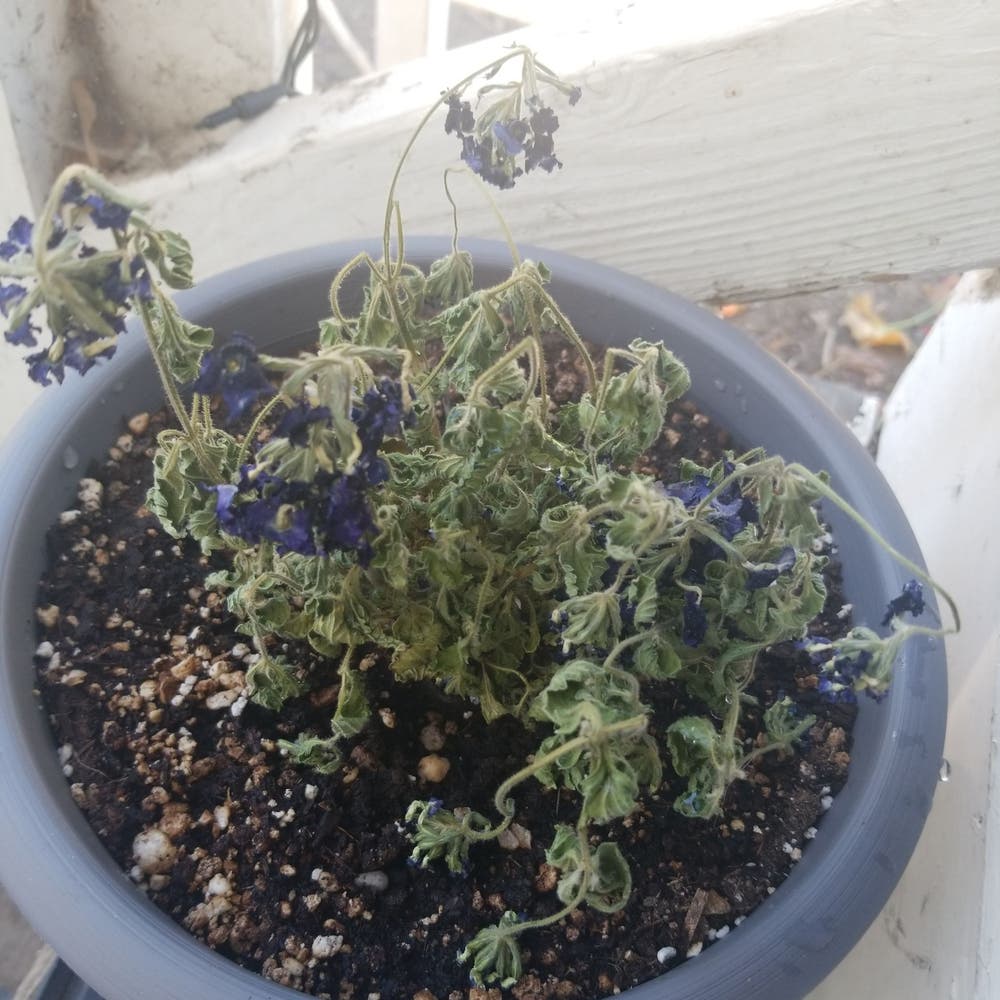
🌸 Verbena Care: Preventing Wilting
Verbena spp.
By the Greg Editorial Team
Aug 24, 2024•6 min read
This article was created with the help of AI so we can cover more plants for you. May contain errors. See one? Report it here.
- 💧 Insufficient watering causes wilting; check soil moisture regularly to prevent drooping.
- 🌡️ Heat stress leads to crispy leaves; provide shade during peak temperatures for recovery.
- 🌱 Well-draining soil is essential to prevent root rot and promote healthy growth.
Common Causes of Wilting Leaves
💧 Water Stress
Insufficient watering is a primary culprit behind wilting leaves. When Verbena doesn't receive enough moisture, it can lead to drooping leaves and dry soil, signaling that your plant is in distress.
Consistent moisture is crucial for healthy growth. However, be cautious—overwatering can lead to waterlogging, which is just as harmful.
☀️ Heat Stress
High temperatures can also cause wilting in Verbena. During peak sun hours, you might notice crispy leaf edges and wilting, indicating that your plant is struggling to cope with the heat.
The ideal temperature range for Verbena is between 65°F and 75°F. Keeping your plants within this range can help prevent heat-related issues.
🦠 Disease-Related Wilting
While disease-related wilting is less common in healthy Verbena, it's still important to be aware of potential threats. Root rot and fungal infections can cause significant wilting if not addressed promptly.
Proper care is essential to prevent these diseases. Regular monitoring and good gardening practices can keep your Verbena thriving and disease-free.
Diagnosing Wilting in Verbena
🌱 Step-by-Step Guide to Diagnose Wilting
Diagnosing wilting in your Verbena starts with assessing soil moisture levels. Check for dryness or waterlogging to determine if your plant is getting the right amount of water.
Next, observe the environmental conditions. Temperature and sunlight exposure play crucial roles in your plant's health.
Inspect the leaves for any signs of pests or disease. Look closely for discoloration or unusual spots that could indicate a problem.
Finally, evaluate any recent care changes. Consider your watering frequency, fertilization, and whether you've relocated the plant recently.
💧 Identifying Symptoms Related to Water Stress
Water stress can manifest in two distinct ways. Signs of under-watering include leaf curl and dry soil, indicating your plant is thirsty.
On the flip side, over-watering shows up as yellowing leaves and soggy soil. Both extremes can lead to wilting, so it's essential to find a balance.
🔥 Recognizing Signs of Heat Stress
Heat stress is another common culprit for wilting. Symptoms to look for include wilting during hot days and crispy leaf edges.
Monitoring temperature fluctuations is vital. Keeping your Verbena in a stable environment can help prevent these stress symptoms from occurring.
Solutions for Wilting in Verbena
🌊 Actionable Advice for Addressing Water Stress
To combat water stress in your Verbena, establish a watering schedule that emphasizes deep, infrequent watering. This approach encourages roots to grow deeper, enhancing the plant's resilience.
Check soil moisture regularly using simple techniques like the finger test or a moisture meter. These methods help you determine when your plant truly needs water, preventing both under-watering and over-watering.
☀️ Solutions for Heat Stress Management
Managing heat stress is crucial for keeping your Verbena thriving. During peak heat, consider providing shade using shade cloth or relocating your plants to a cooler area.
Mulching is another effective strategy to retain soil moisture. A layer of mulch not only keeps the roots cool but also reduces evaporation, ensuring your Verbena stays hydrated.
🦠 Techniques for Dealing with Disease-Related Wilting
Preventing disease-related wilting starts with ensuring well-draining soil. This practice significantly reduces the risk of root rot, a common issue for Verbena.
If you notice signs of fungal infections, consider using organic fungicides. Improving air circulation around your plants can also help mitigate these issues, promoting a healthier growing environment.
By implementing these solutions, you can effectively address wilting in your Verbena and foster a thriving garden. Next, let’s explore preventive measures to minimize the risk of wilting in the first place.
Preventive Measures
Best Practices to Minimize Wilting Risk 🌱
To keep your Verbena thriving, regular monitoring of soil moisture is essential. Check the soil frequently to ensure it’s neither too dry nor waterlogged.
Acclimatizing your plants to new environments gradually can make a significant difference. Sudden changes can stress them, leading to wilting.
Environmental Adjustments for Optimal Growth ☀️
Choosing the right planting location is crucial. Verbena loves full sun but appreciates some afternoon shade to avoid the harshest rays.
Maintaining a consistent watering routine is key to preventing wilting. A steady schedule helps your plants adapt and flourish, ensuring they receive the moisture they need without the risk of overwatering.
By implementing these preventive measures, you set the stage for vibrant, healthy Verbena. Next, let’s explore effective techniques for reviving wilted plants when they need a little extra care.
Reviving Wilted Verbena
🌊 Techniques for Bottom Watering
Bottom watering is a fantastic way to revive your wilted Verbena.
- Fill a shallow tray with water.
- Place the pot in the tray, allowing the soil to absorb moisture from the bottom.
- Remove after 30 minutes to prevent over-saturation.
This method encourages deep root growth and helps prevent the topsoil from becoming overly wet.
🌳 Temporary Relocation Strategies
Sometimes, a change of scenery can work wonders for your plant.
- Move to a shaded area during extreme heat to protect it from harsh sunlight.
- Gradually reintroduce to full sun after recovery to help it acclimate without shock.
This gentle transition can make a significant difference in your Verbena's health.
✂️ Pruning Damaged Leaves Effectively
Pruning is essential for encouraging new growth in wilted plants.
- Use clean, sharp scissors to remove wilted or damaged leaves.
- Focus on cutting just above healthy nodes to stimulate fresh growth.
This simple step not only improves the plant's appearance but also promotes better air circulation and overall vitality.
Reviving your Verbena can be a rewarding experience. With the right techniques, you can restore its health and beauty, ensuring it thrives in your garden. Next, let’s explore when it’s time to seek expert help for persistent issues.
When to Seek Help
🚨 Signs That Require Expert Assistance
If your Verbena is wilting persistently despite your best care efforts, it might be time to call in the pros. Look for signs of severe disease, such as dark spots on leaves or a foul smell from the soil, which indicate deeper issues that need expert intervention.
Timely action can make all the difference in saving your plant. Don't wait until it's too late; recognizing these signs early can help you revive your Verbena.
📚 Resources for Further Assistance
Local nurseries are fantastic resources for expert advice. They often have knowledgeable staff who can provide tailored guidance based on your specific situation.
Additionally, consider joining online communities like Greg, where plant enthusiasts share tips and support. These platforms can be invaluable for troubleshooting and connecting with fellow plant lovers.
⚠️ Safety First
This content is for general information and may contain errors, omissions, or outdated details. It is not medical, veterinary advice, or an endorsement of therapeutic claims.
Always consult a qualified healthcare professional before using any plant as food, medicine, or supplement.
Never eat any plant (or feed one to pets) without confirming its identity with at least two trusted sources.
If you suspect poisoning, call Poison Control (800) 222-1222, the Pet Poison Helpline (800) 213-6680, or your local emergency service immediately.
Spotted an error? Please report it here.
Keep your Verbena thriving 🌿 by using Greg's tailored watering reminders and expert community tips to prevent wilting and ensure vibrant growth!