🌳 Tree Heath: Not an Annual
Erica arborea
By the Greg Editorial Team
Sep 30, 2024•5 min read
This article was created with the help of AI so we can cover more plants for you. May contain errors. See one? Report it here.
Transform your garden with Tree Heath's unique traits for lasting beauty and resilience! 🌳🌼
- 🌳 Tree Heath is a perennial, thriving for years with beautiful, bell-shaped flowers.
- 🌱 Unlike annuals, it has multiple growth cycles, entering dormancy in unfavorable conditions.
- 🌼 Regular care and pruning ensure Tree Heath's longevity and vibrant garden presence.
Genetic and Physiological Characteristics
🌳 Long-term Lifecycle of Tree Heath
Tree Heath typically boasts a lifespan that spans several years to decades. This longevity is a testament to its robust adaptations, allowing it to thrive through varying seasonal conditions.
📈 Growth Patterns Specific to Tree Heath
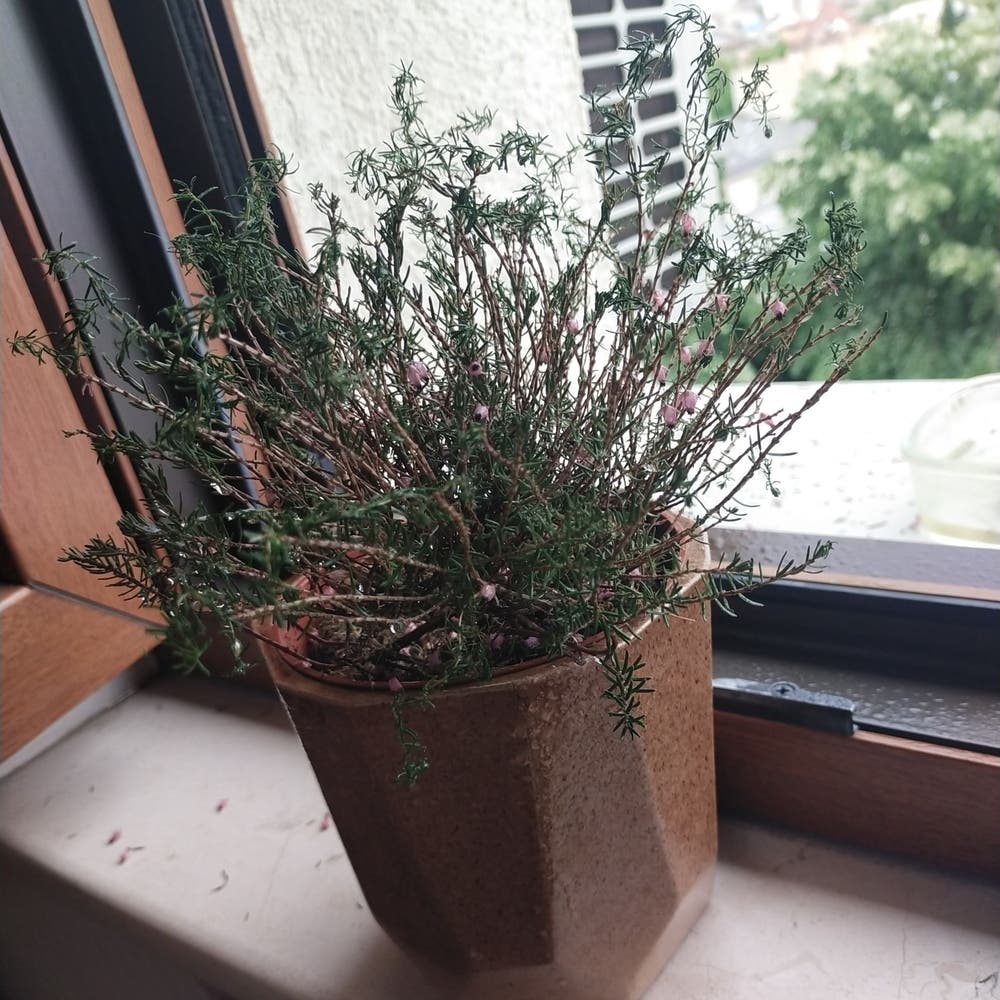
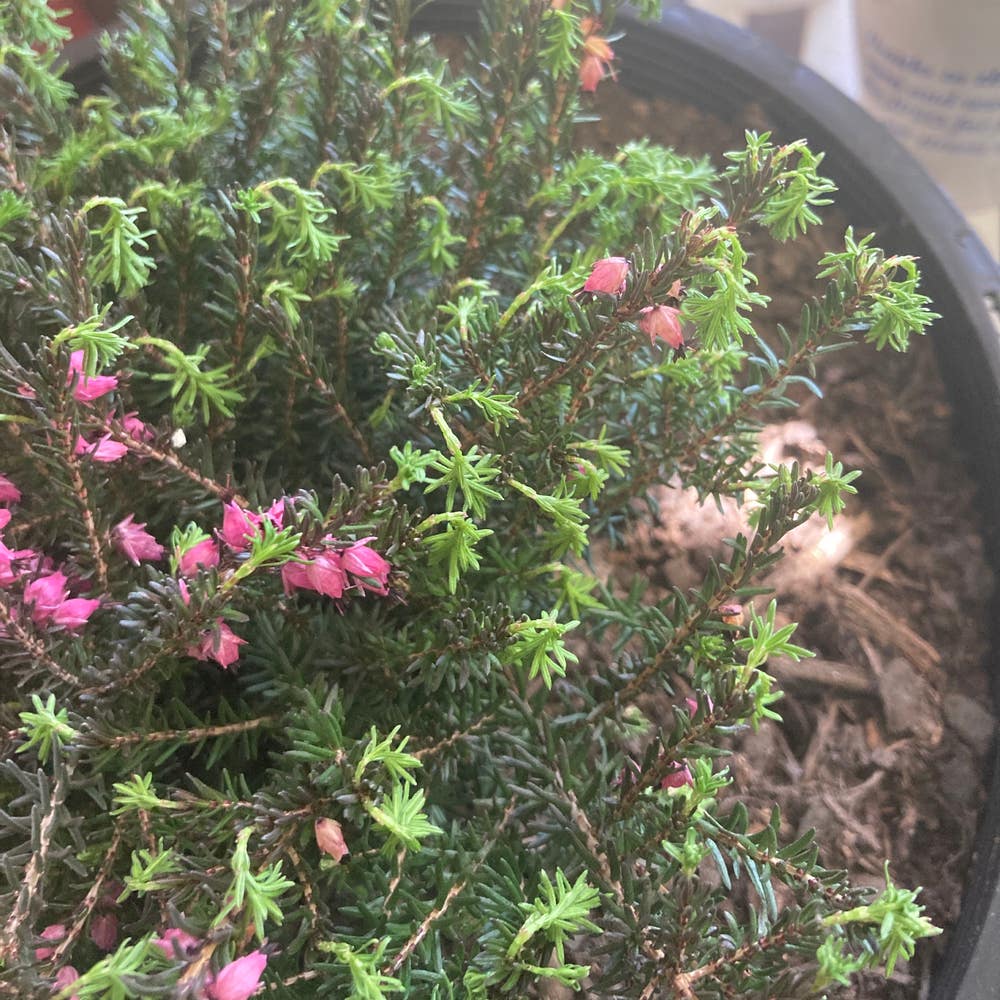
Tree Heath features a woody structure complemented by evergreen foliage, which contributes to its resilience. Its growth rate fluctuates with the seasons, while a robust root system supports its impressive longevity.
🌼 Reproductive Strategies of Tree Heath
The flowering cycle of Tree Heath is notable for its extended period, showcasing beautiful bell-shaped flowers. To attract pollinators, it employs strategic methods, ensuring effective seed production through well-timed mechanisms.
This intricate interplay of genetic and physiological traits not only defines Tree Heath but also sets the stage for understanding its lifecycle differences.
Lifecycle Differences
Perennial Lifecycle vs. Annual Lifecycle 🌱
Understanding the lifecycle differences between perennials like Tree Heath and annuals is crucial. Perennials, including Tree Heath, undergo multiple growth cycles over several years, while annuals complete their lifecycle in just one season.
In terms of dormancy, perennials enter a resting phase during unfavorable conditions, allowing them to conserve energy. Annuals, on the other hand, die off after seed production, leaving no living roots to survive the off-season.
Impact on Growth and Flowering 🌼
Tree Heath's perennial nature significantly influences its growth patterns. This plant thrives year after year, developing a robust structure that supports its evergreen foliage.
Unlike annuals, which often have a single, intense flowering period, Tree Heath enjoys a longer flowering season. This extended blooming allows for a more sustained display of beauty in the garden.
Seed Production Differences 🌾
When it comes to seed production, Tree Heath has its own unique timing and methods. It typically produces seeds after its flowering period, ensuring that pollination has occurred effectively.
In contrast, annuals often rush their seed production to complete their lifecycle before the season ends. This difference highlights the strategic advantages of Tree Heath's perennial approach, allowing for more thoughtful and sustained reproduction.
As we delve deeper into the nuances of Tree Heath, it's essential to explore the variations and exceptions that can affect its classification and growth.
Variations and Exceptions
🌦️ Conditions Where Tree Heath May Be Mistaken for an Annual
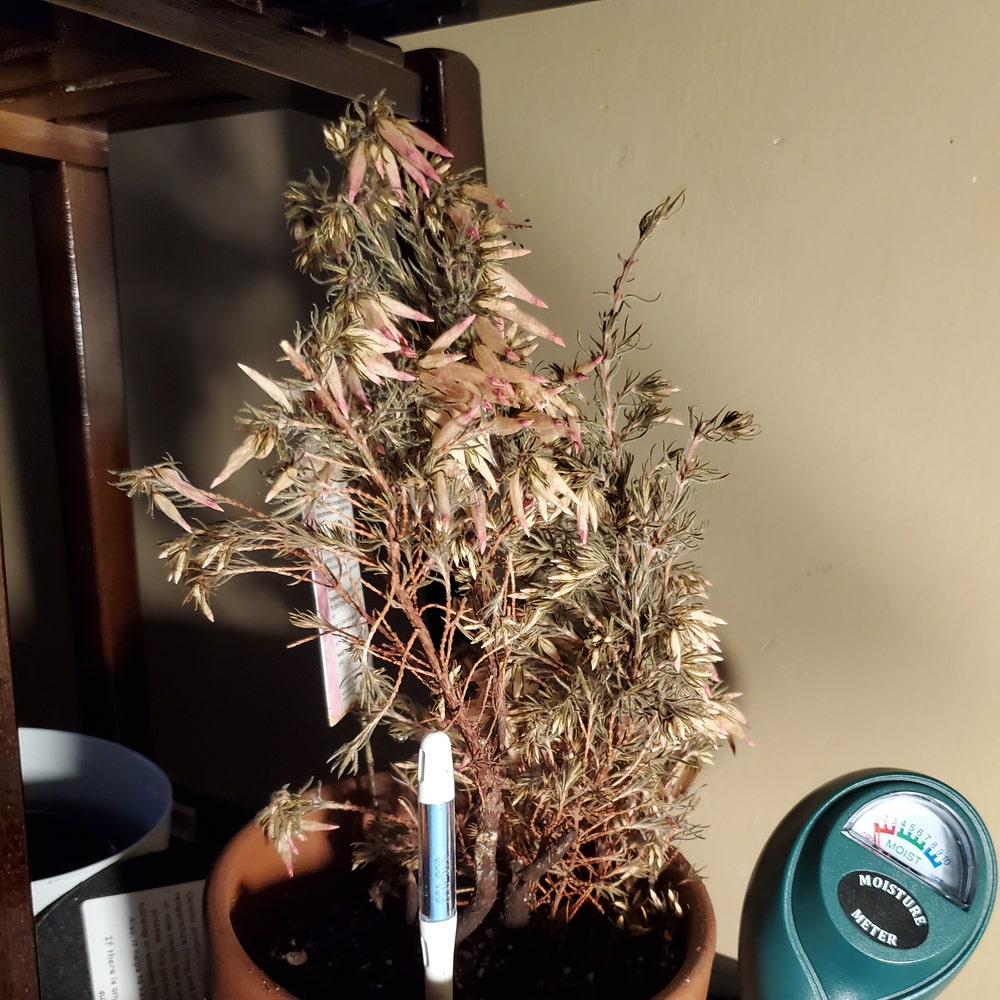
Tree Heath can sometimes be misidentified as an annual due to specific environmental factors. For instance, extreme weather conditions, such as prolonged drought or excessive moisture, can hinder its growth and lead to a perception of it being short-lived.
In addition, poor soil quality or inadequate sunlight can stunt its development. When these conditions arise, Tree Heath may not exhibit the robust characteristics typical of a perennial, causing confusion among gardeners.
🌍 Regional Differences in Growth and Treatment
Tree Heath's adaptability varies significantly across different climates. In milder regions, it thrives and showcases its perennial nature, while harsher climates may challenge its growth.
Local gardening practices also play a crucial role in its classification. For example, gardeners in colder areas might treat Tree Heath as an annual due to frost concerns, impacting its long-term viability. Understanding these regional nuances is essential for successful cultivation.
As we explore the implications of these variations, we can better appreciate how to integrate Tree Heath into garden designs effectively.
Garden Design Implications
🌳 Advantages of Using Tree Heath in Garden Design
Incorporating Tree Heath into your garden design offers numerous benefits. As a perennial, it provides lasting beauty and structure, enhancing the landscape year after year.
Tree Heath's evergreen foliage ensures year-round interest, making it a reliable choice for consistent aesthetics. Additionally, its adaptability to various climates allows it to thrive in diverse environments, contributing to ecological balance.
📅 Planning for Perennial Growth vs. Annual Planning
When integrating Tree Heath into your garden layout, consider its long-term growth patterns. Unlike annuals, which require replanting each season, Tree Heath establishes a robust root system that supports sustained growth.
Long-term planning is essential for perennials. Think about spacing, companion plants, and seasonal changes to create a harmonious garden that evolves beautifully over time.
By understanding these dynamics, you can design a garden that not only looks great but also thrives with minimal effort.
Transitioning from annuals to perennials like Tree Heath can transform your gardening experience, making it more rewarding and sustainable.
Management Tips
Best Practices for Managing Tree Heath as a Perennial 🌱
To successfully manage Tree Heath, start with the right soil. It thrives in well-drained, acidic conditions, so consider amending your garden soil with organic matter to enhance drainage.
Watering is crucial, especially during dry spells. Ensure the soil remains consistently moist but not waterlogged, as this can lead to root rot.
Pruning and Maintenance Techniques to Promote Health ✂️
Regular pruning helps maintain the shape and encourages new growth. Aim to remove dead or damaged branches in early spring to promote a healthy structure.
Additionally, keeping the area around the plant free from debris can prevent pests and diseases. A tidy garden is a happy garden!
Tips for Maximizing Longevity in the Garden ⏳
Seasonal care routines are essential for Tree Heath's longevity. In spring, apply a balanced fertilizer to support new growth, and in fall, consider mulching to protect roots during winter.
Pest and disease management tailored to Tree Heath's needs is also vital. Regularly inspect for common pests like aphids and treat them promptly to prevent infestations.
By following these management tips, you can ensure your Tree Heath not only survives but thrives in your garden. This sets the stage for a flourishing landscape that showcases the beauty of perennials.
Next, let's explore the advantages of incorporating Tree Heath into garden design.
⚠️ Safety First
This content is for general information and may contain errors, omissions, or outdated details. It is not medical, veterinary advice, or an endorsement of therapeutic claims.
Always consult a qualified healthcare professional before using any plant as food, medicine, or supplement.
Never eat any plant (or feed one to pets) without confirming its identity with at least two trusted sources.
If you suspect poisoning, call Poison Control (800) 222-1222, the Pet Poison Helpline (800) 213-6680, or your local emergency service immediately.
Spotted an error? Please report it here.
Discover the enduring charm of Tree Heath 🌿 and let Greg provide you with tailored care reminders to keep your perennial thriving for years to come!