🐅 Tiger Lily: A Perennial Plant
Lilium lancifolium
By the Greg Editorial Team
Oct 02, 2024•5 min read
This article was created with the help of AI so we can cover more plants for you. May contain errors. See one? Report it here.
Transform your garden with vibrant, low-maintenance Tiger Lilies that thrive year after year! 🌼
- 🌼 Tiger Lilies are low-maintenance perennials, thriving for years with minimal care.
- 🌱 They bloom mid-summer, showcasing vibrant flowers that attract pollinators.
- 🌍 Optimal conditions include full sun and well-drained soil for best growth.
Characteristics of Tiger Lily as a Perennial
Multi-Year Lifecycle 🌱
Tiger Lily is a remarkable perennial that thrives over multiple years. Its survival hinges on a robust bulb system, which allows it to regrow annually, ensuring a vibrant display season after season.
Growth Patterns 🌼
In spring, Tiger Lily bursts forth with fresh growth, signaling the start of its life cycle. By mid-summer, it showcases its stunning blooms, captivating any garden enthusiast.
The resilience of its bulb system is noteworthy. Unlike annual plants that need replanting each year, Tiger Lily's established roots allow it to adapt and flourish with minimal intervention. This adaptability makes it a favorite among gardeners looking for low-maintenance beauty.
With its multi-year lifecycle and unique growth patterns, Tiger Lily stands out as a perennial that not only beautifies gardens but also simplifies gardening efforts. As we explore seasonal changes and dormancy, we’ll see how this plant prepares for its cycles throughout the year.
Seasonal Changes and Dormancy
🌱 Dormancy Periods
Dormancy in Tiger Lilies occurs during the winter months when the plant dies back to the ground. This natural process is crucial as it allows the bulb system to store energy and nutrients, ensuring robust regrowth in the spring.
🌼 Seasonal Changes Throughout the Year
🌷 Spring: Emergence of New Growth
As winter fades, Tiger Lilies spring back to life, showcasing fresh green shoots. This vibrant emergence signals the start of a new growth cycle.
☀️ Summer: Flowering Phase and Peak Growth
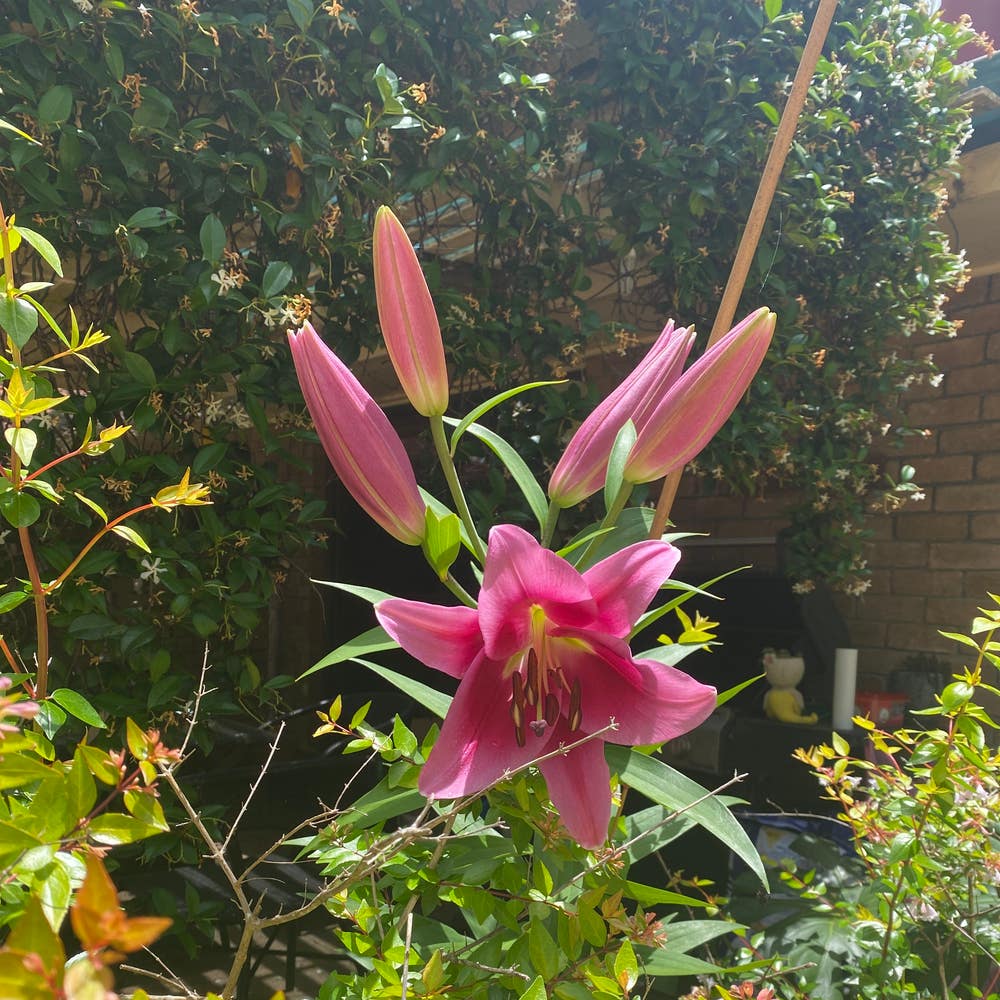
Mid-summer is when Tiger Lilies truly shine, producing stunning blooms that attract pollinators. This is their peak growth phase, characterized by lush foliage and vibrant colors.
🍂 Fall: Preparation for Dormancy
In the fall, the plant begins to prepare for dormancy. During this time, it focuses on nutrient absorption, ensuring the bulbs are well-fed for the winter ahead.
❄️ Winter: Complete Die-Back and Rest Period
Winter brings a complete die-back, allowing the plant to rest. This period is essential for rejuvenation, as the bulbs conserve energy for the next cycle of growth.
Understanding these seasonal changes helps gardeners appreciate the resilience of Tiger Lilies and plan for their care throughout the year. With this knowledge, you can ensure your garden flourishes with these beautiful perennials.
Advantages of Perennial Nature
🌱 Benefits for Gardeners
Tiger Lily offers significant advantages for gardeners, primarily through its reduced need for replanting. Once established, this resilient perennial thrives with minimal intervention, allowing you to enjoy its beauty without constant upkeep.
The established root systems of Tiger Lily enhance stability and nutrient uptake. This means healthier plants that can withstand various environmental challenges, making them a reliable choice for any garden.
⏳ Expected Lifespan and Influencing Factors
Typically, Tiger Lily has a lifespan of 3-5 years, but under optimal conditions, it can live even longer. Factors such as soil quality, climate, and care practices play a crucial role in determining how long these vibrant flowers will grace your garden.
Healthy, well-drained soil and appropriate climate conditions can significantly extend the life of your Tiger Lilies. By paying attention to these elements, you can ensure that your garden remains colorful and thriving for years to come.
With these advantages in mind, let's explore how climate variations can influence the behavior of Tiger Lilies in different regions.
Variations Across Climate Zones
🌦️ Influence of Climate on Behavior
Tiger Lily is remarkably adaptable, thriving in temperate regions where well-drained soil and full sun are abundant. This flexibility allows it to flourish in various climates, but local conditions can significantly affect its growth and flowering.
In areas with longer blooming periods, you’ll notice a more extended display of vibrant flowers. Conversely, extreme temperatures can hinder growth, leading to shorter flowering seasons and potentially stunted plants.
⏳ Factors Affecting Longevity
Soil type and drainage play crucial roles in the health of Tiger Lily bulbs. Well-drained soil is essential; it prevents rot and ensures the bulbs can store energy effectively.
Sunlight exposure is another vital factor. Tiger Lilies thrive in full sun, which promotes robust growth and vibrant blooms.
Seasonal weather patterns also impact dormancy and regrowth. Consistent weather conditions can enhance longevity, while erratic climates may challenge the plant's resilience.
Understanding these variables can help you cultivate a thriving Tiger Lily garden, no matter where you are. With the right conditions, these perennials can bring beauty to your space for years to come.
As we explore the advantages of their perennial nature, consider how these factors can influence your gardening strategy.
Maximizing Benefits in Garden Planning
🌱 Tips for Long-Term Cultivation
To ensure your Tiger Lily thrives, proper planting depth and spacing are crucial. Aim for a depth of about 6 inches and space bulbs 12 to 18 inches apart to allow for healthy growth.
Regularly monitor soil moisture and nutrient levels to keep your plants vibrant. This attention will help you catch any issues before they affect your Tiger Lily's performance.
🌼 Strategies for Integration
Consider companion planting with other perennials to create a diverse and resilient garden. Pairing Tiger Lilies with plants that have similar care requirements can enhance your garden's overall health.
Planning for seasonal interest is key. Utilize the blooming period of Tiger Lilies to complement other flowering plants, ensuring your garden remains visually appealing throughout the seasons.
Lastly, keep climate zone variations in mind when selecting planting locations. Understanding your local conditions will help you choose the best spots for your Tiger Lilies, maximizing their growth potential.
With these strategies, you can cultivate a thriving garden that showcases the beauty and resilience of Tiger Lilies. Transitioning to the next topic, let’s explore the advantages of their perennial nature.
⚠️ Safety First
This content is for general information and may contain errors, omissions, or outdated details. It is not medical, veterinary advice, or an endorsement of therapeutic claims.
Always consult a qualified healthcare professional before using any plant as food, medicine, or supplement.
Never eat any plant (or feed one to pets) without confirming its identity with at least two trusted sources.
If you suspect poisoning, call Poison Control (800) 222-1222, the Pet Poison Helpline (800) 213-6680, or your local emergency service immediately.
Spotted an error? Please report it here.
Cultivate stunning Tiger Lilies with minimal effort 🌷 by using Greg's tailored reminders for watering and nutrient monitoring, ensuring your garden thrives beautifully through every season!