🐅 Why Tiger Lily Is Not an Annual
Lilium lancifolium
By the Greg Editorial Team
Oct 02, 2024•2 min read
This article was created with the help of AI so we can cover more plants for you. May contain errors. See one? Report it here.
Unleash the vibrant beauty of Tiger Lilies 🌼 for a resilient, thriving perennial garden that blooms year after year!
- 🌼 Tiger Lily is a perennial, thriving year after year due to its bulb structure.
- 🌱 Deep roots and bulb regeneration enhance its resilience and nutrient absorption.
- 🐝 Pollination by bees and butterflies ensures successful seed production for continuous growth.
Tiger Lily's Perennial Nature
🌱 Genetic Characteristics
Tiger Lily, scientifically known as Lilium lancifolium, showcases remarkable genetic traits that contribute to its perennial nature. Its genetic makeup includes adaptations that allow for long-term survival and regrowth, making it a resilient choice for gardens.
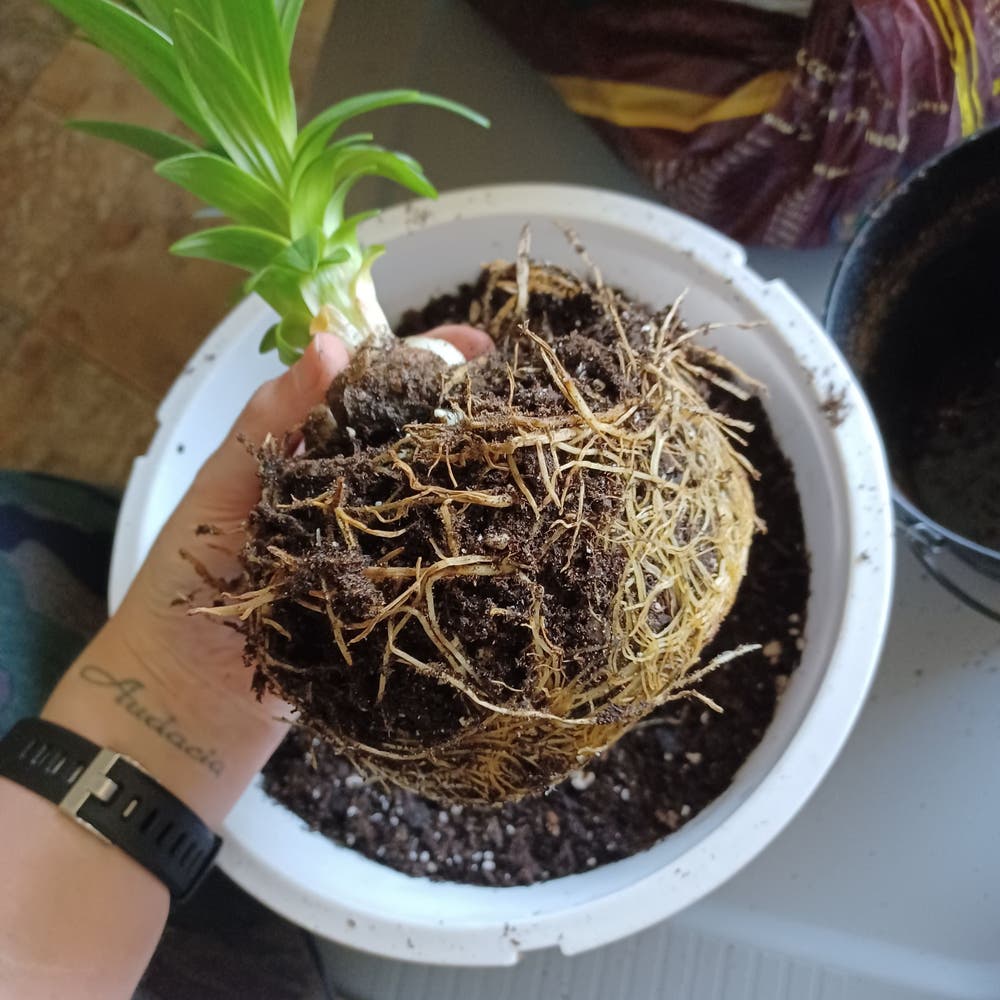
The bulb structure of the Tiger Lily is essential for its survival. These bulbs store nutrients, enabling the plant to regenerate year after year, even after harsh conditions.
🌿 Physiological Traits Supporting Perennial Growth
One of the key features of the Tiger Lily is its deep and extensive root system. This robust root network aids in nutrient absorption, ensuring the plant thrives in various environments.
Additionally, the bulb regeneration mechanism allows the Tiger Lily to survive adverse conditions. Its ability to tolerate different soil types further enhances its hardiness, making it a versatile addition to any garden.
🌼 Lifecycle and Growth Patterns
The lifecycle of the Tiger Lily includes distinct stages: dormancy, active growth, and flowering. During dormancy, the plant conserves energy, preparing for the vibrant growth that follows.
Seasonal emergence and foliage development are crucial growth patterns. Once established, a Tiger Lily can live for several years, producing stunning flowers annually.
🌸 Reproductive Strategies
Typically blooming in mid-summer, Tiger Lilies offer a burst of color to gardens. Their seed production occurs over multiple years, allowing for a continuous cycle of growth.
Pollination strategies also play a vital role in their reproduction. Tiger Lilies attract essential pollinators like bees and butterflies, ensuring their seeds are successfully dispersed.
🌻 Garden Design Implications
Incorporating Tiger Lilies into perennial gardens brings numerous advantages. Their aesthetic appeal and long-term investment potential make them a favorite among gardeners.
When planning for long-term growth, consider spacing and seasonal color schemes. Proper soil preparation and watering practices are key tips for managing Tiger Lilies effectively as perennials.
As you explore the world of Tiger Lilies, you'll discover their unique traits and benefits. Next, let's delve into their reproductive strategies and how they contribute to the garden ecosystem.
⚠️ Safety First
This content is for general information and may contain errors, omissions, or outdated details. It is not medical, veterinary advice, or an endorsement of therapeutic claims.
Always consult a qualified healthcare professional before using any plant as food, medicine, or supplement.
Never eat any plant (or feed one to pets) without confirming its identity with at least two trusted sources.
If you suspect poisoning, call Poison Control (800) 222-1222, the Pet Poison Helpline (800) 213-6680, or your local emergency service immediately.
Spotted an error? Please report it here.
Unlock the beauty of perennial Tiger Lilies 🌷 in your garden with Greg's tailored watering and care reminders, ensuring they flourish season after season!