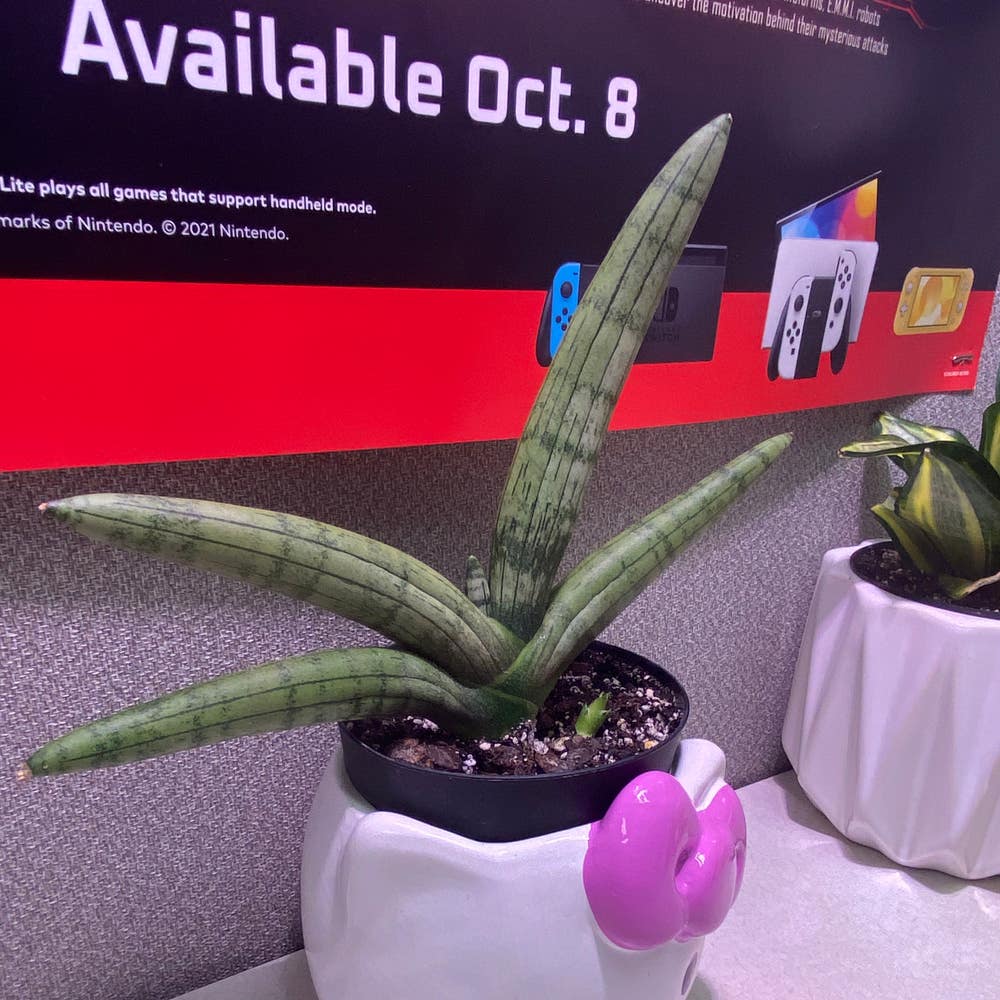
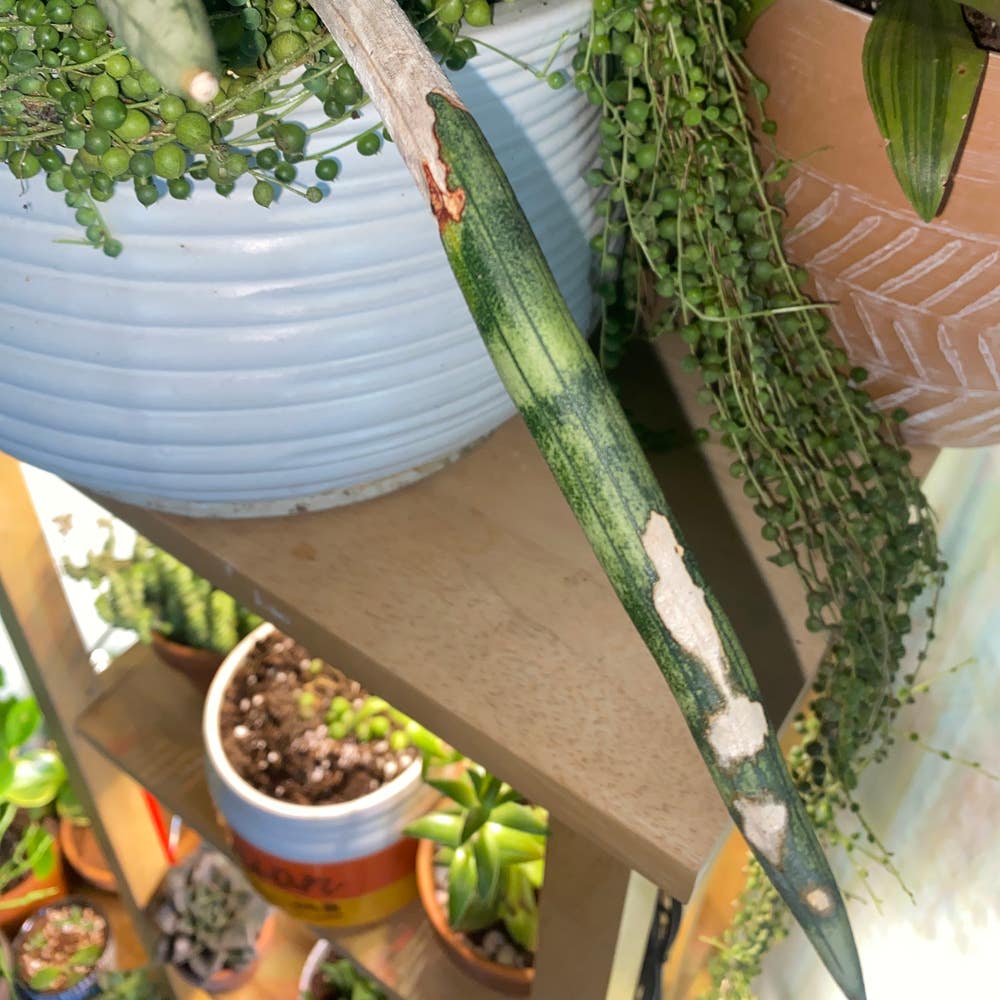
Why Does My Starfish Snake Plant Have Yellow Leaves?
Dracaena angolensis 'Boncel'
By the Greg Editorial Team
Jun 18, 2024•7 min read
This article was created with the help of AI so we can cover more plants for you. May contain errors. See one? Report it here.
Banish yellow leaves 🍂 and ensure your Starfish Snake Plant thrives with our essential care tips.
- 🍂 Yellow leaves signal aging or distress, like watering issues or pests.
- 💧 Overwatering? Let soil dry out. Underwatering? Water when topsoil is dry.
- 🌞 Bright, indirect light is key; avoid direct sun and adjust environment.
Diagnosing Yellow Leaves on Starfish Snake Plant
Yellowing leaves can signal natural aging or a plant's distress call. Here's how to tell the difference and spot signs of trouble.
🕵️♂️ Natural Aging vs. Distress
A lone yellow leaf might just be the plant's way of saying goodbye to an old friend. But when multiple leaves turn yellow, it's time to play detective.
🚩 Signs of Distress
Wilting, drooping, or a general lackluster look can be your Starfish Snake Plant crying out for help. Keep an eye out for these red flags:
🐜 Pests
Look for uninvited guests like mealybugs or spider mites. They're tiny, but they leave a big mark on plant health.
💧 Watering Woes
Leaves that are both yellow and mushy could mean too much love in the form of water. Conversely, leaves that are dry and crispy are likely parched.
🌞 Light Levels
If the leaves look bleached or sunburned, your plant might be getting too much direct sunlight. On the flip side, etiolated or stretched-out leaves suggest it's reaching for more light.
🍽️ Nutrient Needs
A lack of essential nutrients can leave leaves yellow and growth stunted. It's like the plant's on a bad diet.
🌡️ Environmental Stress
Dramatic temperature swings or incorrect humidity levels can also turn leaves yellow. Think of it as your plant catching a cold.
🌱 Soil and Roots
Check if the soil feels like a swamp or a desert. And peek at the roots—if they're brown and mushy, it's a bad sign.
Quick Tips
- Isolate the issue: One yellow leaf is probably fine; a bunch means trouble.
- Inspect regularly: Catch pests and diseases before they throw a party.
- Adjust care: Tweak watering, lighting, and feeding to match your plant's needs.
- Monitor changes: After making adjustments, give it some time and watch for improvement.

Addressing Overwatering and Underwatering
Identifying the symptoms of water-related stress in your Starfish Snake Plant is crucial. Overwatering often leads to leaves that are soft and brown, while underwatering results in shriveled leaves and brown tips.
💦 Overwatering: The Soggy Culprit
If your plant's leaves are turning yellow and feel mushy, it's screaming, "Hold back on the H2O, buddy!" Reduce watering and let the soil dry out completely before the next watering session.
🏜️ Underwatering: The Thirsty Foe
On the flip side, a plant that starts to shrivel is begging for a drink. Ensure the top 1-2 inches of soil are dry before you water, but don't wait until your plant looks like it's been through a desert marathon.
Steps to Correct Watering Practices
- Check the soil moisture before watering. If it's damp, wait; if it's dry, go ahead.
- Implement a consistent watering routine. Watering once a month or when the leaves show slight wrinkles is a good rule of thumb.
- If you've been heavy-handed with watering, let the plant dry out, and then adjust your watering schedule accordingly. No more guesswork—stick to the routine.
- Always use well-draining soil to avoid waterlogging the roots, which can be a death sentence for your plant.
Remember, the Starfish Snake Plant is more of a camel than a fish—it can store water and prefers to stay on the drier side. Keep an eye on those leaves; they're the best tattletales when it comes to your plant's watering needs.

Correcting Light Issues to Prevent Yellow Leaves
💡 Understanding Light's Role
Light is like a double-edged sword for the Starfish Snake Plant; it's essential for health but can be harmful in excess. Yellow leaves often signal a light issue.
💡 Adjusting Light Exposure
Bright, indirect light is the sweet spot. Direct sunlight can scorch leaves, causing them to yellow and wilt. If your plant's getting a sunburn, it's time to play musical chairs and move it to a spot with filtered light.
💡 Tips for Indoor Light Management
- Use sheer curtains to diffuse harsh sunlight.
- Place the plant in a room with north or east-facing windows for gentler light.
- If your only option is a sunny spot, create a canopy with taller plants or a decorative screen.
💡 Outdoor Light Adjustments
- Relocate potted plants to shaded areas under trees or patios.
- For garden-planted Starfish, consider planting taller flora for natural shade.
💡 Monitoring and Adapting
Keep an eye on your plant's response. If yellow leaves persist, tweak the light levels. Remember, these succulent-like leaves store water, so they can handle some neglect—just not in the light department.

Nutrient Deficiencies Leading to Yellow Leaves
🌿 Identifying Signs of Nutrient Deficiency
Yellow leaves on your Starfish Snake Plant could be shouting for help due to nutrient deficiencies. Nitrogen scarcity often targets older leaves, turning them a pale yellow. If the yellowing is between the veins on young leaves, iron might be the missing piece of the puzzle. A lack of magnesium shows up as yellow patches between the veins on mature leaves. When the newest leaves start to yellow, it could be a sulfur deficiency calling. And if the edges of older leaves take on a brilliant yellow hue, potassium is likely the nutrient in demand.
🌱 Correcting Nutrient Imbalances
To get back on track, first, test your soil to pinpoint the deficiency. Then, treat your plant to a balanced, water-soluble fertilizer, but remember, moderation is key. Overfeeding can lead to nutrient toxicity, manifesting as brown tips or leaf scorch—a clear sign your plant is saying, "Enough already!" Fertilize your Starfish Snake Plant twice a year during the growing seasons, and consider incorporating organic matter like a banana peel for an extra kick of nutrients. Keep an eye on the response; it's like a dance where you need to find the rhythm between too much and too little.
Combating Pests and Diseases Causing Yellow Leaves
🐜 Common Pests
Mealybugs and nematodes are like uninvited guests at a plant party, causing yellow leaves as they crash the scene. Spider mites and aphids also throw their hats in the ring, sucking the life and color out of your Starfish Snake Plant.
🦠 Fungal and Viral Diseases
Root and crown rot can be the ninjas of plant diseases, stealthily causing yellowing leaves. Fusarium wilt and Aster yellows are other culprits, often requiring infected leaves to be removed to prevent further spread.
💉 Treatment Options
Kick pests to the curb with neem oil or insecticidal soap. These are the bouncers that show pests the door. For fungal foes, improve drainage and avoid watering from above. If you're dealing with a full-blown infestation or infection, it might be time to bring out the big guns: chemical treatments. Always follow label instructions to avoid harming your plant further.
🚫 Prevention Tips
Regular inspections are key—check under leaves and in hidden nooks. Proper watering techniques help fend off many fungal diseases. Think of it as setting a curfew for your plant's wild nights out—too much water is an open invitation for trouble.
Remember, treating yellow leaves is a bit like detective work. Observe, identify, and act. Keep your plant care game strong, and you'll be less likely to see those yellow flags waving.
Environmental Factors Affecting Leaf Color
🌡️ Temperature: The Unseen Stressor
Consistency is key when it comes to temperature. Your Starfish Snake Plant isn't a fan of surprises. Sudden temperature changes can cause its leaves to turn yellow as if it's throwing a silent tantrum. Avoid drafts and keep it away from doors, windows, or air vents that could expose it to sudden chills or heat waves.
💦 Humidity: The Invisible Embrace
Humidity might be invisible, but its effects are not. These plants enjoy a moist hug from the air around them. Too dry, and they'll protest with yellow leaves. Consider a pebble tray or a regular misting to keep the humidity just right, especially when indoor heating or air conditioning is running.
🌞 Light: The Delicate Dance
Light is a dance, and your Starfish Snake Plant is looking for the perfect partner—not too intense, not too shy. Direct sunlight is a no-go; it's like a bad sunburn for your plant's leaves. Position it in a spot with bright, indirect light to avoid the yellowing that comes with too much sunbathing.
Real Talk: Adjusting Your Plant's Environment
If you're seeing yellow, it's time to play detective with the environment. Move your plant if it's near a heat source or a drafty spot. Check the humidity—get a hygrometer if you need to. And for light, think of it like a sunscreen application: enough to protect, not so much it causes damage. Your Starfish Snake Plant will thank you with vibrant green leaves.
⚠️ Safety First
This content is for general information and may contain errors, omissions, or outdated details. It is not medical, veterinary advice, or an endorsement of therapeutic claims.
Always consult a qualified healthcare professional before using any plant as food, medicine, or supplement.
Never eat any plant (or feed one to pets) without confirming its identity with at least two trusted sources.
If you suspect poisoning, call Poison Control (800) 222-1222, the Pet Poison Helpline (800) 213-6680, or your local emergency service immediately.
Spotted an error? Please report it here.
Combat yellow leaves and ensure your Starfish Snake Plant is thriving 🌟 with Greg's custom watering schedules and real-time environment adjustments based on your home's unique conditions.