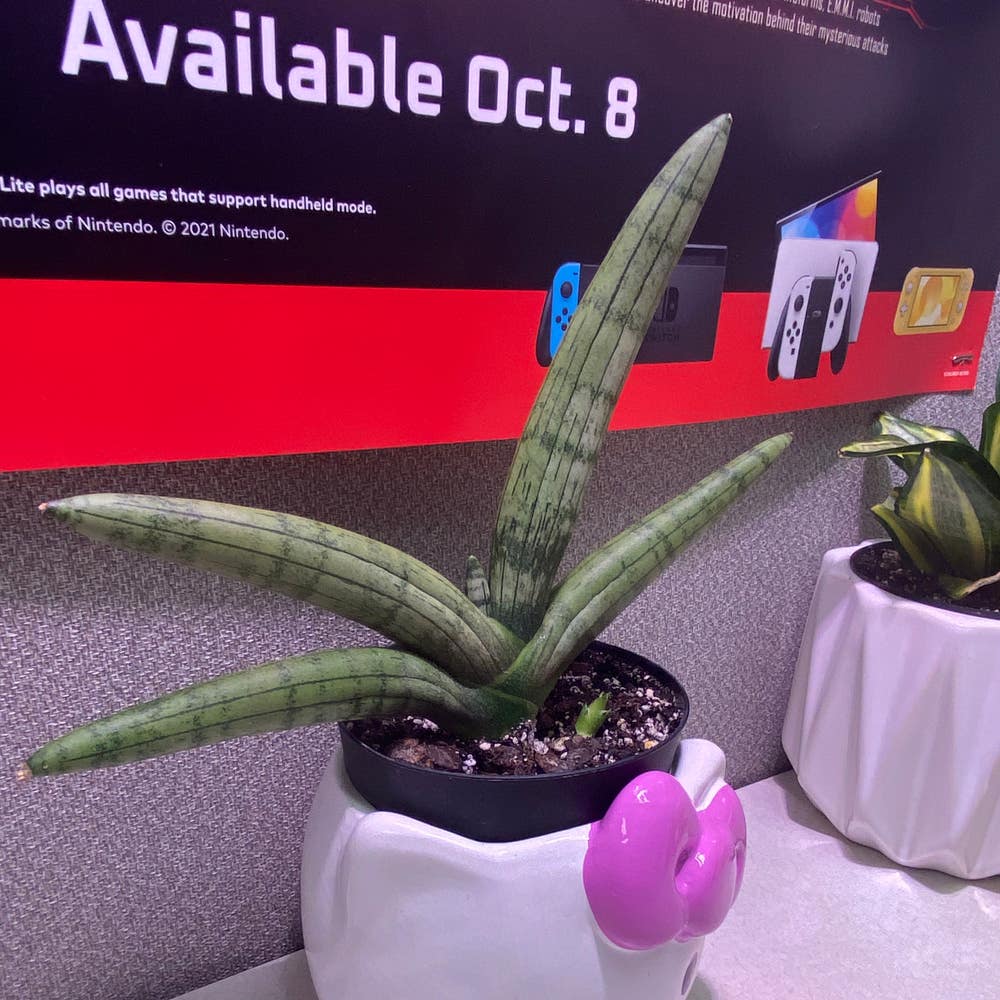
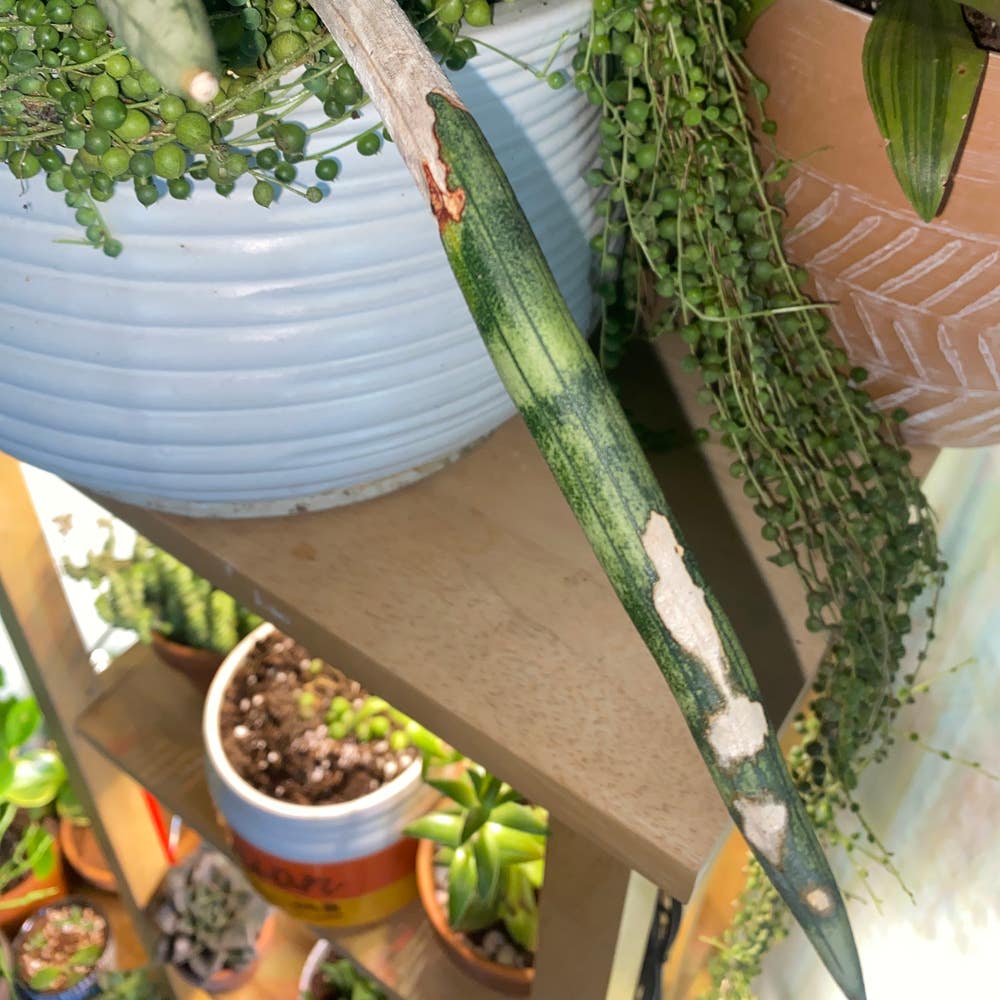
⭐ Starfish Snake Plant Roots 101
Dracaena angolensis 'Boncel'
By the Greg Editorial Team
Sep 29, 2024•6 min read
This article was created with the help of AI so we can cover more plants for you. May contain errors. See one? Report it here.
Master the art of caring for your Starfish Snake Plant 🌱 by understanding its unique root system for vibrant growth!
- 🌱 Starfish Snake Plant roots grow horizontally, maximizing adaptability and nutrient absorption.
- 💧 Drought-tolerant roots store moisture, needing watering every 2-3 weeks for health.
- 🔄 Repot in spring if roots are visible or leaves yellow, ensuring fresh, well-draining soil.
Characteristics of the Root System
Root Type and Characteristics 🌱
The Starfish Snake Plant features a unique rhizomatous root system. This means its roots grow horizontally, allowing the plant to adapt well to various pot sizes and environmental conditions.
These roots are significant because they store moisture and nutrients, making the plant resilient in less-than-ideal situations. This adaptability is key for both novice and experienced plant enthusiasts.
Root Depth and Spread 🌍
The root structure of the Starfish Snake Plant is shallow yet expansive. Typically, the roots extend about 6-12 inches deep, spreading horizontally to maximize nutrient absorption.
As the roots grow, they expand and store essential nutrients, ensuring the plant remains healthy and vibrant. This growth pattern is crucial for the plant's overall resilience and ability to thrive in diverse conditions.
Understanding these characteristics can help you provide the best care for your Starfish Snake Plant, setting the stage for healthy growth and development.
Watering and Fertilizing Techniques
🌱 How the Root System Affects Watering Needs
Starfish Snake Plants are champions of drought tolerance. Their roots are designed to store moisture, allowing them to thrive even when watering is infrequent.
For optimal health, aim to water every 2-3 weeks. This frequency can vary based on soil moisture, so always check before you water.
🧪 Fertilizing Considerations Based on Root Health
When it comes to fertilizing, balanced NPK fertilizers are your best bet. These provide essential nutrients that support root health and overall plant vigor.
Fertilize during the growing season, specifically in spring and summer. Keep an eye out for signs of nutrient deficiency, like yellowing leaves, which can indicate that your roots need a boost.
Understanding how to care for your Starfish Snake Plant's roots will set you up for success. With the right watering and fertilizing techniques, your plant will flourish beautifully.
Next, let’s dive into the best practices for transplanting and repotting your Starfish Snake Plant.
Transplanting and Repotting Best Practices
🌱 Best Practices for Transplanting
Transplanting your Starfish Snake Plant is best done in early spring. This timing allows the plant to adjust and thrive as it enters its growing season.
For the potting mix, opt for well-draining soil enriched with sand or perlite. This combination promotes healthy root growth and prevents waterlogging, which can lead to root rot.
🔍 Signs Indicating When to Repot
Keep an eye out for roots becoming visible through the drainage holes. This is a clear sign that your plant is ready for a larger home.
Additionally, stunted growth or yellowing leaves can indicate root crowding. If you notice these symptoms, it’s time to consider repotting to give your plant the space it needs to flourish.
By following these transplanting and repotting best practices, you’ll ensure your Starfish Snake Plant remains healthy and vibrant. Next, let’s explore common root-related issues that can affect your plant's well-being.
Common Root-Related Issues
🦠 Identifying Root Rot and Other Diseases
Root rot is a common issue for Starfish Snake Plants, and it often manifests through several telltale symptoms. Look out for wilting leaves, yellowing foliage, and a foul odor emanating from the soil.
Other diseases can also affect the roots, such as fungal infections that thrive in overly moist conditions. These can lead to further complications if not addressed promptly.
🛠️ Solutions for Common Root Problems
Preventing root issues starts with proper watering techniques. Ensure your plant is in well-draining soil and avoid overwatering, as this is a primary cause of root rot.
If you do encounter root rot, act quickly. Remove the affected roots and repot the plant in fresh, dry soil to help it recover. Regular monitoring can keep your Starfish Snake Plant thriving and healthy.
Understanding these common root-related issues is crucial for maintaining the overall health of your plant. Next, let’s explore how to recognize and address rootbound conditions.
Root Health Indicators
🌱 Visual Cues for Healthy vs. Unhealthy Roots
Healthy roots are a sight to behold. They should be firm, white, and plump, indicating that your Starfish Snake Plant is thriving.
On the flip side, unhealthy roots tell a different story. Look for dark, mushy, or shriveled roots, which are clear signs that something is amiss.
🔍 Other Indicators of Root Health
Leaf health is another crucial indicator of root status. If your leaves are vibrant and robust, it’s a good sign that the roots are doing their job.
Conversely, yellowing or wilting leaves often point to root issues. Monitoring soil moisture levels is equally important; overly dry or soggy soil can significantly impact root health.
By keeping an eye on these indicators, you can ensure your Starfish Snake Plant remains healthy and vibrant.
Understanding these signs helps you take proactive steps in caring for your plant, setting the stage for a smooth transition to the next topic: recognizing and addressing rootbound conditions.
Recognizing and Addressing Rootbound Conditions
🌱 Definition and Signs of Rootbound Conditions
Rootbound refers to a condition where a plant's roots have filled the pot, circling around the edges and restricting growth. This can lead to stunted growth and poor overall health.
Look for signs like roots visibly circling the pot or emerging from drainage holes. If your Starfish Snake Plant seems to be growing slower than usual or its leaves are yellowing, it might be rootbound.
🔧 When and How to Address Rootbound Issues
To tackle rootbound conditions, repotting is essential. Choose a pot that’s one size larger and provides fresh, well-draining soil.
Root pruning can also help. Trim back any excessively long roots before replanting to encourage new growth.
Check your plant every spring to see if it needs repotting. Early intervention can make a significant difference in your plant's health and vitality.
By recognizing and addressing rootbound conditions promptly, you can ensure your Starfish Snake Plant continues to thrive. This sets the stage for exploring the importance of root health in propagation and division.
Importance of Root Health in Propagation and Division
🌱 Importance of Root Health in Propagation
Healthy roots are crucial for successful propagation of the Starfish Snake Plant. They provide the necessary nutrients and stability, ensuring that new plants can thrive.
Root health directly impacts the plant's resilience during propagation. Strong roots help the plant adapt to new environments and recover from the stress of division.
✂️ Step-by-Step Guide for Dividing Starfish Snake Plant
Timing: The best time to divide your plant is in spring when it’s actively growing.
Tools Needed: Gather a clean, sharp knife or scissors to make precise cuts.
Division Process: Carefully separate the rhizomes, ensuring each section has roots attached. This step is vital for successful replanting.
Replanting: Use well-draining soil to promote healthy growth. Water lightly after division to avoid over-saturation.
By following these steps, you can ensure that your Starfish Snake Plant continues to flourish. Healthy roots are the foundation for vibrant growth, making propagation a rewarding experience.
As you move forward, understanding root health will enhance your overall plant care strategy.
⚠️ Safety First
This content is for general information and may contain errors, omissions, or outdated details. It is not medical, veterinary advice, or an endorsement of therapeutic claims.
Always consult a qualified healthcare professional before using any plant as food, medicine, or supplement.
Never eat any plant (or feed one to pets) without confirming its identity with at least two trusted sources.
If you suspect poisoning, call Poison Control (800) 222-1222, the Pet Poison Helpline (800) 213-6680, or your local emergency service immediately.
Spotted an error? Please report it here.
Unlock the secrets of your Starfish Snake Plant's roots and keep them thriving 🌿 with Greg's tailored watering alerts and expert care tips for vibrant growth!