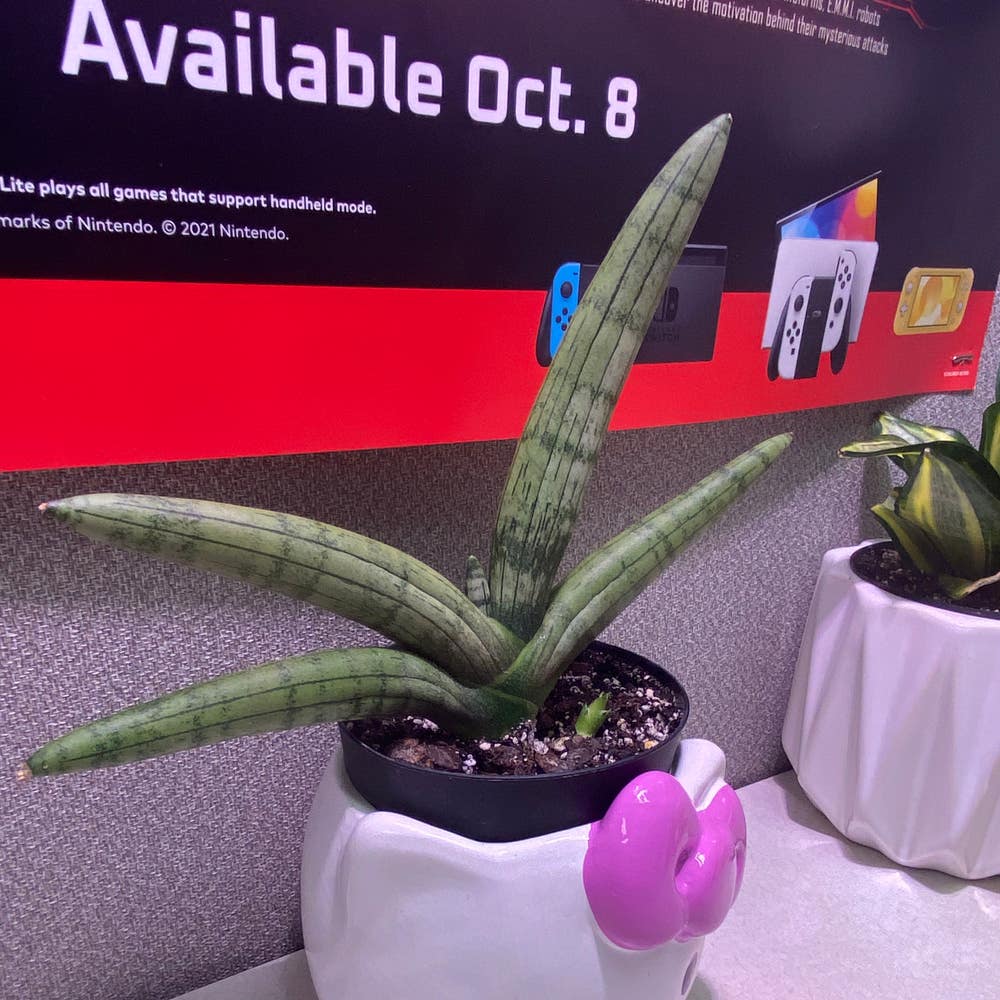
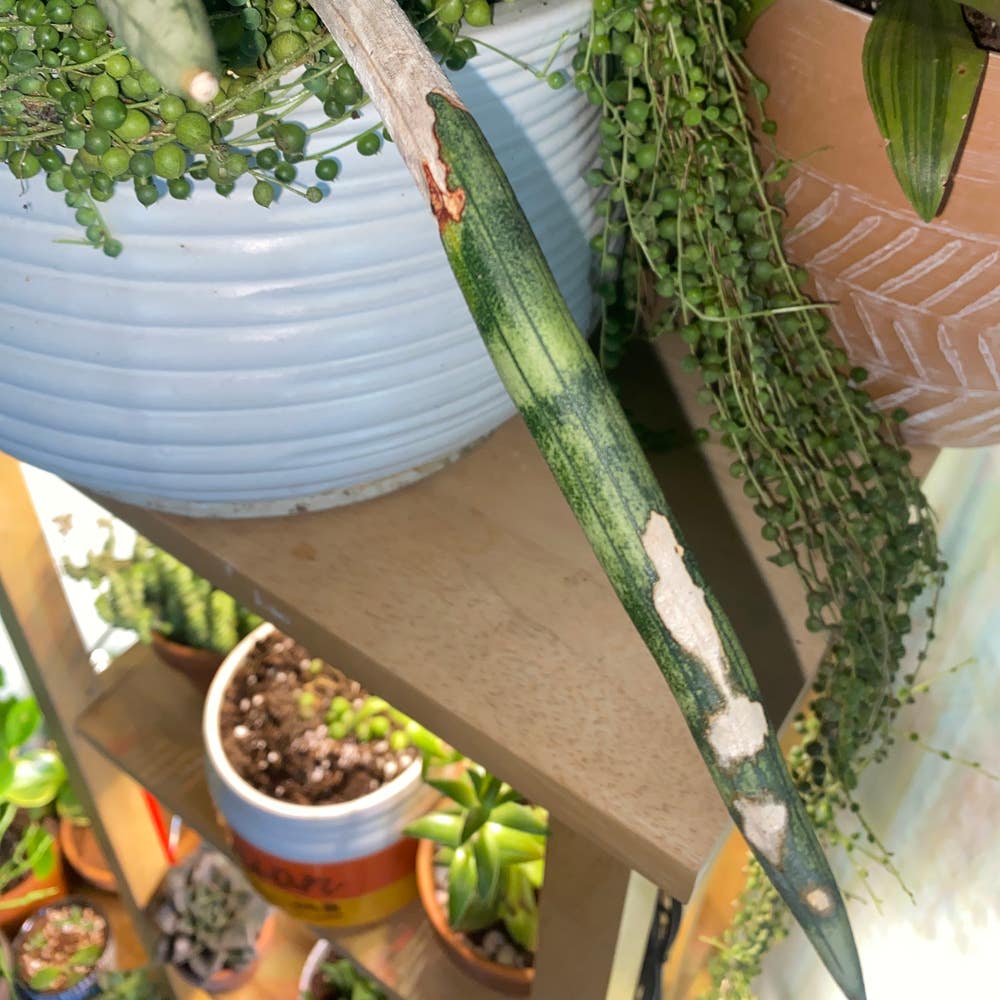
🌟 How to Get a Starfish Snake Plant to Bloom
Dracaena angolensis 'Boncel'
By the Greg Editorial Team
Jun 18, 2024•7 min read
This article was created with the help of AI so we can cover more plants for you. May contain errors. See one? Report it here.
Unlock the bloom potential of your Starfish Snake Plant and add a splash of color to your home! 🌟🌸
- Bright indirect light and seasonal changes enhance blooming.
- Ideal temperature 60°F-75°F, humidity 40-60% for flowers.
- Well-draining soil, balanced fertilizer, and careful watering support bloom development.
Optimizing Light to Trigger Flowering
🌟 Adjusting Light Exposure
To nudge your Starfish Snake Plant into the spotlight of blooming, you'll want to play with light like a maestro. Bright indirect light is your best bet. It's like giving your plant a steady diet of sunshine without the risk of a sunburn.
🌸 Seasonal Lighting Changes
As the seasons change, so should your plant's position. Think of it as choreographing a dance with the sun. In the summer, your plant will bask in longer daylight hours, but come winter, it's time to tone it down. This mimics their natural cycle and whispers sweet nothings to their blooming instincts.
💡 Artificial Light: The Indoor Sun
If your home is more cave than greenhouse, consider LED grow lights. They're the indoor gardener's sun substitute, offering the blue and red wavelengths that plants crave for photosynthesis and growth. Just remember, it's about gradual exposure—don't blind your plant with a sudden burst of artificial summer.
⚖️ The Balancing Act
It's a delicate balance—too much light and you'll have a crispy critter on your hands, too little and you're in the slow lane to Bloomsville. Rotate your plant to ensure even growth and avoid the lopsided tragedy of a plant in need of a chiropractor.
Remember, your Starfish Snake Plant isn't trying to get a tan; it's trying to flower. So, give it the light it needs, and maybe, just maybe, you'll wake up to a floral surprise.

Creating the Right Temperature and Humidity for Blooms
Starfish Snake Plants are as finicky about their climate as a cat is about its litter box. Temperature and humidity are the secret handshake to the exclusive blooming club.
🌡️ Temperature: The Sweet Spot
Keep the thermostat dialed in between 60°F and 75°F. These plants don't appreciate the drama of fluctuating temperatures any more than we enjoy surprise cold showers.
💦 Humidity: Not Too Muggy, Not Too Dry
Aim for a humidity level of 40-60%. Use a hygrometer to avoid turning your plant's environment into a desert or a swamp. Too dry, and the blooms might ghost you; too damp, and you're throwing a mold fiesta.
Seasonal Adjustments
As winter rolls in and heaters crank up, your indoor Sahara might need a humidity boost. Think misting, not drenching. When summer hits, ease up on the waterworks to counteract the muggy weather.
Tools of the Trade
Hygrometers and humidifiers are your best buds here. They're like the sidekicks in a superhero movie, only for plant care.
Airflow: Keep It Breezy
Good air circulation is crucial—stagnant air is a no-go. A gentle fan can work wonders, like a soft breeze on a tropical island, minus the sand in your shoes.
Observation: The Watchful Eye
Keep an eye out for budding signs. When you see them, it's time to double down on your climate control efforts. It's like tuning an instrument—get it just right, and the music (or blooms, in this case) will follow.
Remember, the right temperature and humidity are like a backstage pass for your Starfish Snake Plant's blooming show. Get it right, and you'll be in for an encore.

Soil Composition and Fertilization for Flowering
🌱 Soil Composition
Well-draining soil is non-negotiable for Starfish Snake Plants, especially when coaxing them to bloom. A mix like cactus potting soil, which typically includes sand and pumice, provides the aeration and drainage these plants crave. If you're feeling adventurous, concoct your own blend with equal parts potting soil, coarse sand, and perlite. It's like a bespoke suit; it just fits better.
💐 Fertilization for Blooming
When it comes to fertilizer, think of it as a seasonal cocktail—best served diluted and not too often. A balanced, water-soluble fertilizer with equal parts nitrogen, phosphorus, and potassium is your go-to. Halve the recommended strength; these plants are more about the marathon than the sprint. Fertilize every four to six weeks during the growing season, but let them rest in winter. Overdoing it is a recipe for crispy leaves, so if you notice browning, dial it back. Alternatively, a slow-release fertilizer every three to four months can be your set-it-and-forget-it option.
Remember, the goal is to support, not overwhelm, your plant's natural flowering process. Keep it simple, keep it consistent, and watch for those elusive blooms.

Watering for Flower Development
💧 Modifying Watering Frequency
Watering is crucial when coaxing a Starfish Snake Plant into bloom. Increase watering as buds form, but always check the soil's moisture first. Overzealous watering can be as detrimental as neglect.
💦 Recognizing Signs of Over or Under-Watering
Yellow leaves often scream overwatering, while a wilted appearance signals thirst. Adjust your routine to avoid these extremes. Remember, the plant's need for water intensifies during the flowering phase, but balance is key.
🌼 Watering Techniques for Blooms
For blooming Starfish Snake Plants, thorough watering is better than frequent sips. Allow the soil to dry slightly between waterings to encourage strong root health, which is essential for flower development.
🌿 Environmental Considerations
Stay attuned to your plant's environment. Increased light or heat means more water; cooler, shadier conditions mean less. Adapt your watering to the rhythms of your home and the seasons.
🌱 Pro Tips for Perfect Watering
Use room-temperature water to avoid shocking the plant's roots. If you tend to overwater, set reminders to check the soil before giving it another drink. Consider self-watering pots to maintain consistent moisture levels.
🚱 Correcting Watering Issues
If you've overdone it and the soil is soggy, let it dry out before watering again. A pot with less drainage might help if the soil dries out too quickly. Remember, the plant's watering needs will shift with the seasons—more in summer, less in winter.
🌧️ Real Talk on Watering
Forget about sticking to a strict schedule. Your Starfish Snake Plant doesn't care about Taco Tuesday; it cares about the here and now. Pay attention to light, humidity, and temperature—they're the true maestros of your watering can.
Addressing Flowering Challenges
🐛 Identifying Issues
Pests and diseases are the party poopers of the Starfish Snake Plant's blooming bash. Spider mites, mealybugs, and thrips can gatecrash and wreak havoc. Regular plant check-ups are your bouncer, keeping these uninvited guests at bay. Spot a pest? Isolate your plant faster than a socialite dodges paparazzi, and hit the invaders with insecticidal soap.
🚰 Over and Under-Watering
Your Starfish Snake Plant's thirst level is a fine line between a parched desert and a drowned waterworld. Overwatering turns leaves into a mushy mess, while under-watering leaves them shriveled and sad. Aim for the sweet spot: water when the topsoil feels like a dry martini, and let it dry out completely before the next round.
🌿 Environmental Stress
Sometimes, your plant needs a bit of tough love. A little stress might encourage blooming, but don't throw it into the freezer or start a watering strike. Instead, consider a snug pot or a slight reduction in water – think of it as a plant's version of a motivational pep talk.
🛡️ Preventative Measures
Consistency is key. Like a good skincare routine, stick to a regular watering schedule and maintain a stable environment to avoid shocking your plant. And remember, the Starfish Snake Plant is more marathon runner than sprinter; it blooms when it's good and ready, often with mature plants more likely to show off their flowers.
💡 Pro Tip
Keep an eye out for the flower spike. It's a rare event, like spotting a celebrity at the grocery store. When it happens, celebrate the moment, but watch out for the sticky nectar that follows – it's the plant's version of autograph hunters.
⚠️ Safety First
This content is for general information and may contain errors, omissions, or outdated details. It is not medical, veterinary advice, or an endorsement of therapeutic claims.
Always consult a qualified healthcare professional before using any plant as food, medicine, or supplement.
Never eat any plant (or feed one to pets) without confirming its identity with at least two trusted sources.
If you suspect poisoning, call Poison Control (800) 222-1222, the Pet Poison Helpline (800) 213-6680, or your local emergency service immediately.
Spotted an error? Please report it here.
Experience the joy of your Starfish Snake Plant's bloom 🌟 with Greg's personalized care reminders, ensuring the perfect balance of light, water, and warmth.