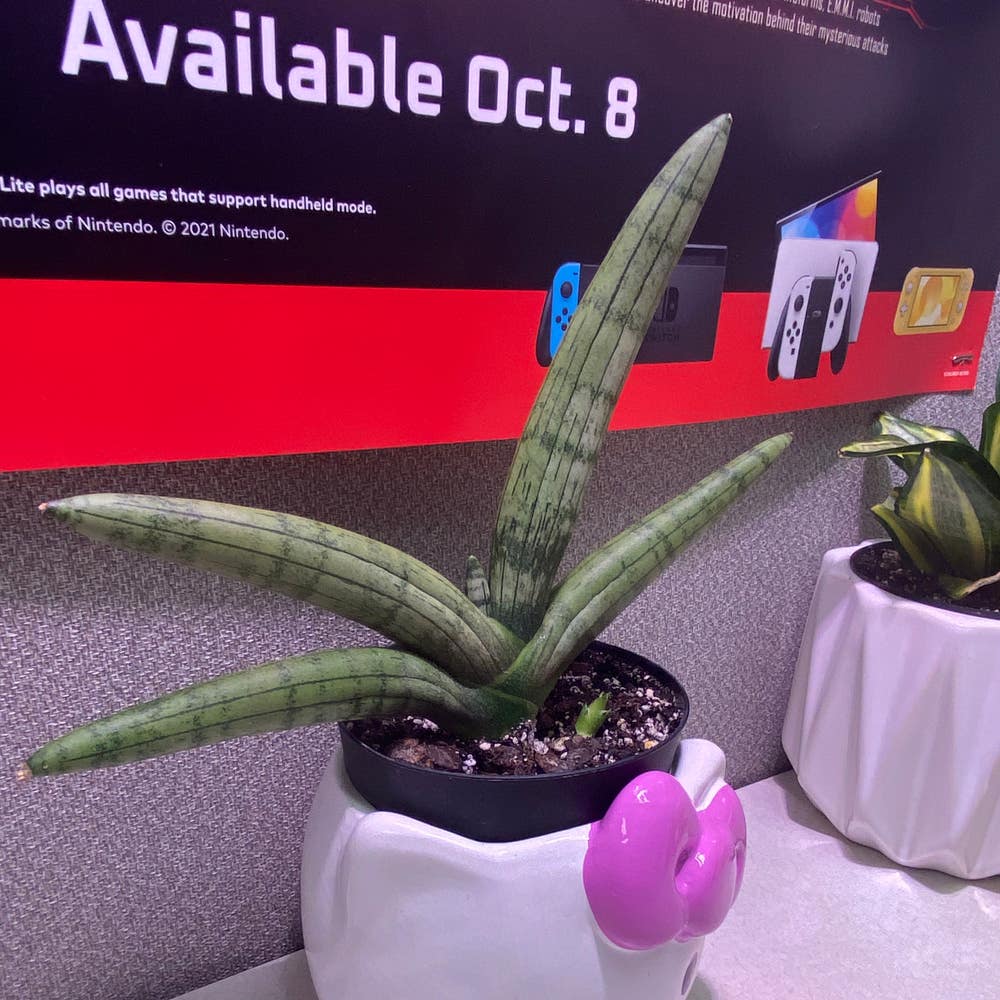
🌟 Is Direct Sunlight Good for My Starfish Snake Plant?
Dracaena angolensis 'Boncel'
By the Greg Editorial Team
Jun 18, 2024•6 min read
This article was created with the help of AI so we can cover more plants for you. May contain errors. See one? Report it here.
Learn to shield your Starfish Snake Plant 🌟 from harsh rays for lush, vibrant growth. ☀️
- Bright indirect light is best for the Starfish Snake Plant's health.
- 🌞 Direct sunlight risks include leaf burn and color loss.
- Use sheer curtains and position away from direct sun to prevent damage.
Defining Sunlight Types for Starfish Snake Plant Care
Understanding light exposure is crucial for the Starfish Snake Plant, scientifically known as Sansevieria cylindrica 'Boncel'. This plant's unique cylindrical leaves, resembling a starfish, thrive in specific lighting conditions.
🌞 Direct vs. Indirect Sunlight
Direct sunlight means the sun's rays fall straight on the plant, often through a south or west-facing window. Indirect sunlight is when the light is diffused or reflected before reaching the plant. The Starfish Snake Plant prefers the latter.
🌟 Starfish Snake Plant Light Response
In its natural habitat, the Starfish Snake Plant is accustomed to bright, filtered light. It can survive in lower light but bright indirect light is its sweet spot for maintaining those silvery-green, starfish-like leaves. Too much direct sun can be a no-no, risking leaf burn and color loss.

Sunlight Needs and Tolerance for Healthy Growth
The Starfish Snake Plant, scientifically known as Sansevieria cylindrica 'Boncel', craves bright indirect light to flourish. This quirky succulent can survive in lower light, but to see it at its best, you'll want to avoid the dark corners of your abode.
🌞 Ideal Sunlight Conditions
Bright, but not direct—that's the mantra for the Starfish Snake Plant. Think of it as a sunbather slathered in SPF 50; it loves the light but shuns the burn. Place it in a spot where it can bask in the sun's glow without the harsh rays.
🚫 Limitations and Risks of Direct Sunlight
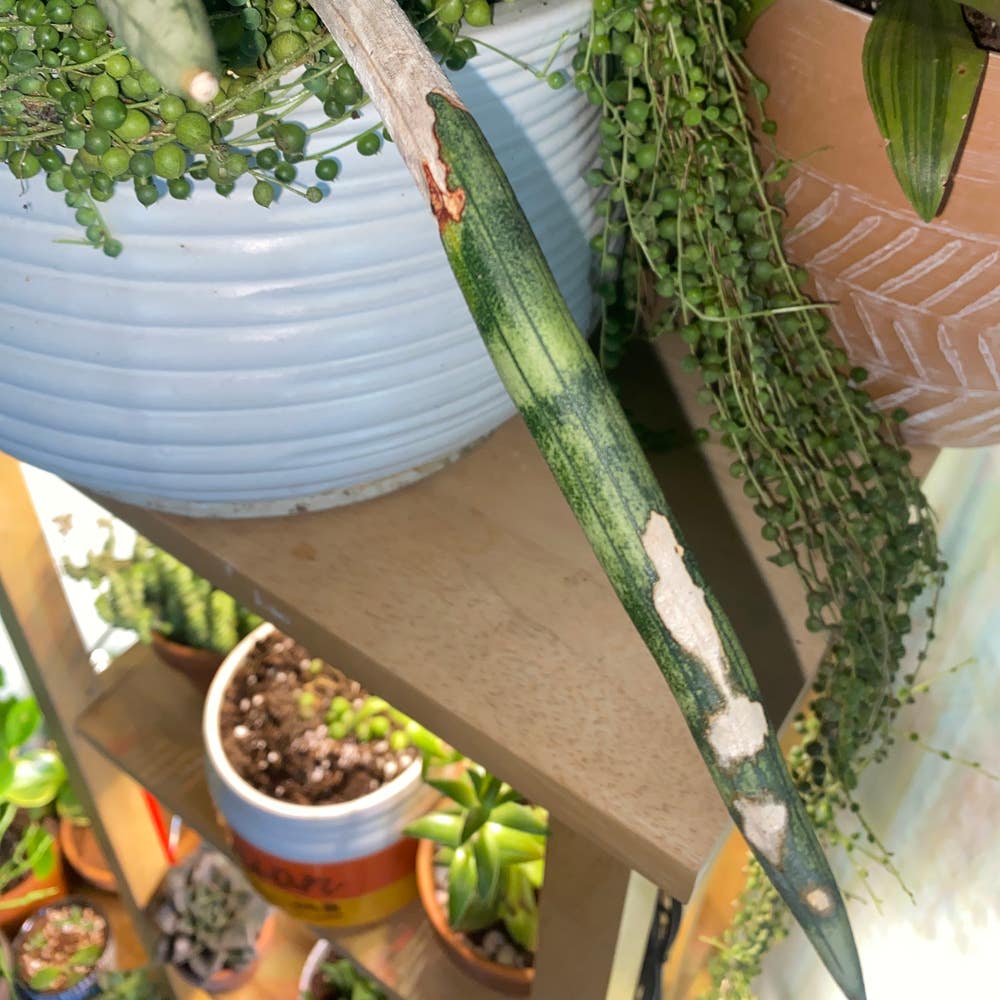
Direct sunlight is the Starfish Snake Plant's kryptonite. Too much and you'll see its leaves throw a fit, turning crispy and brown as if they've been given a bad perm. Leaf burn is a real risk, so don't let this plant get too cozy with unfiltered sunbeams.

Window Direction and Hemisphere Considerations
🧭 The Window Compass
Window orientation is critical for the Starfish Snake Plant's sun intake. In the Northern Hemisphere, south-facing windows soak in peak sunlight, ideal for plants craving warmth. Conversely, in the Southern Hemisphere, this role is reversed, with north-facing windows being the sun magnets.
🌞 Seasonal Spotlight
Seasonal changes also dictate care adjustments. Summer's intense light through a south-facing window may necessitate shading, while winter's feeble sun begs for unobstructed exposure. East-facing windows strike a balance, offering a milder morning light that suits the Starfish Snake Plant well.
🌍 Hemisphere Hacks
For those in the Southern Hemisphere, prioritize eastern and southern windows for gentle illumination. Northern Hemisphere dwellers, aim for northern or eastern exposures to avoid the harsh midday sun. Remember, the intensity of the sun's rays can vary greatly based on your geographical location.
Window Wisdom
Experiment with different window placements. If you notice signs of distress, consider sheer curtains or relocating the plant to a less intense light source. It's about finding that sweet spot where your Starfish Snake Plant thrives without the threat of sunburn.

Signs of Excessive Direct Sunlight
⚠️ Identifying Symptoms
The Starfish Snake Plant is as hardy as they come, but it's not a fan of the solar spotlight. Scorched leaves are a telltale sign that your plant's been sunbathing a tad too long. Look out for yellowing or brown tips, which scream, "I'm getting too much of a good thing!" Leaves may also take on a crispy texture—not the kind you'd want in a snack, but a clear SOS from your green buddy.
🚨 Immediate Intervention
Caught your plant turning into a leafy crisp? Relocate it to a shadier locale, stat. If it's throwing a fit with curled leaves, consider it a silent plea for less light. A sheer curtain can work wonders, acting like a pair of sunglasses for your plant. And if the soil feels like the Sahara, water it deeply—think of it as a hydrating face mask for parched roots. Pruning the damaged parts? It's like giving your plant a fresh start, minus the sun-kissed trauma. Keep a vigilant watch post-rescue; your plant's recovery is in your hands.
Practical Strategies for Sunlight Management
🌞 Positioning Your Starfish Snake Plant
Location is everything. Keep your Starfish Snake Plant thriving by placing it a few feet away from windows that usher in direct sunlight, especially south or west-facing ones. This creates a buffer zone, sparing your plant from the sun's full force.
🔄 Rotation for Even Growth
Rotate your plant regularly to prevent lopsided growth. It's like giving your plant a 360-degree view of its surroundings, ensuring every side gets its moment in the (indirect) sun.
🏡 Window Treatments for Sunlight Control
Use sheer curtains to soften the blow of intense rays, acting as a gentle filter. Think of it as sunscreen for your plant. For a more high-tech solution, UV protective film can serve as an invisible barrier against harsh sunlight.
🌅 Adjusting to the Sun's Path
Be mindful of the sun's journey across the sky. West-facing windows can be a trap, offering warmth before hitting your plant with an intense light ambush. If you're in the northern hemisphere, north-facing windows are your friend, providing a steady stream of indirect light.
🕵️ Monitoring and Adapting
Keep an eye on your green friend. If it starts to look sun-kissed in a not-so-charming way, it's time to scoot it back from the window. Conversely, if it's losing its luster, inch it closer but shield it from the sun's direct embrace.
☀️ Sunlight Stress Response
If your plant is showing signs of a sunburn, it's time for a quick change. Move it out of the direct sunlight, give it a drink if it's thirsty, and consider a humidity boost with a misting. Snip off any damaged leaves to encourage fresh growth. Remember, vigilance is key—monitor and adjust as needed.
Summary: Balancing Sunlight for Starfish Snake Plant Health
Managing sunlight for your Starfish Snake Plant isn't just a suggestion—it's a necessity for its survival and vibrancy. These plants crave bright, indirect light, the kind that bathes a room in a warm glow without casting harsh shadows. Direct sunlight? Not so much. It's like serving a rich dessert—it's enjoyable in small doses but too much can be overwhelming.
💡 Key Sunlight Strategies
- Positioning: Keep your plant in a spot where it can enjoy light without basking in the sun's full intensity. Think of a place near a window but shielded by a sheer curtain.
- Rotation: Give your plant a quarter turn weekly to ensure all sides receive equal lighting and prevent lopsided growth.
- Monitoring: Watch for tell-tale signs of too much sun, such as brown tips or faded leaves, and adjust your plant's location accordingly.
- Seasonal Adjustments: Be mindful of the changing seasons. What's a perfect spot in winter might be a solar death trap in summer.
Remember, the Starfish Snake Plant is a survivor—it will put up with your forgetfulness and erratic watering schedules. But get its light requirements wrong, and you'll see a starfish that's lost its shine. Keep it simple, keep it shaded, and you'll have a happy, healthy plant that's as resilient as it is striking.
⚠️ Safety First
This content is for general information and may contain errors, omissions, or outdated details. It is not medical, veterinary advice, or an endorsement of therapeutic claims.
Always consult a qualified healthcare professional before using any plant as food, medicine, or supplement.
Never eat any plant (or feed one to pets) without confirming its identity with at least two trusted sources.
If you suspect poisoning, call Poison Control (800) 222-1222, the Pet Poison Helpline (800) 213-6680, or your local emergency service immediately.
Spotted an error? Please report it here.
Keep your Starfish Snake Plant happy and healthy ☀️ with Greg's personalized environment tracking and care reminders, ensuring it gets just the right amount of light.