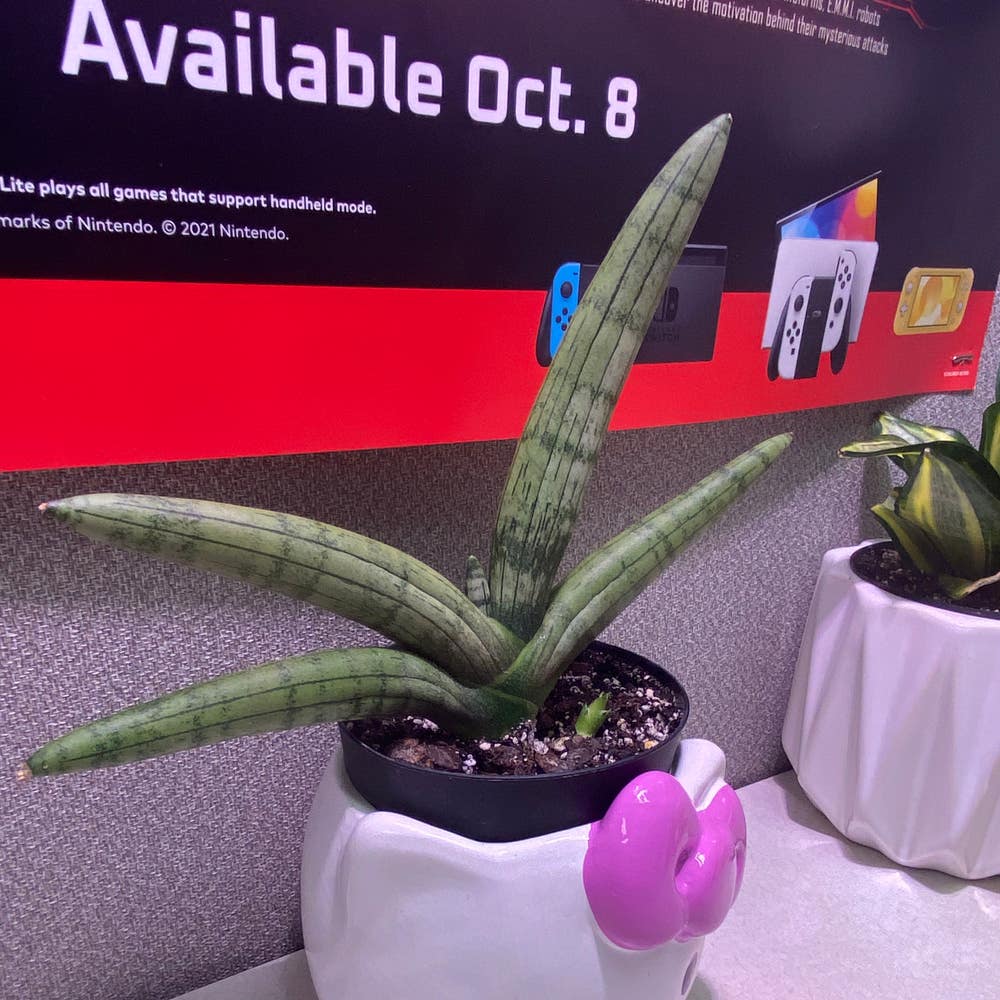
When and Where Should I Trim My Starfish Snake Plant?
Dracaena angolensis 'Boncel'
By the Greg Editorial Team
Jun 18, 2024•8 min read
This article was created with the help of AI so we can cover more plants for you. May contain errors. See one? Report it here.
Trim your Starfish Snake Plant 🌟 in spring to ensure vibrant health and perfect symmetry!
- Prune in spring/early summer during active growth for robust recovery.
- Use the 4 D's approach to identify leaves for pruning: Dead, Damaged, Diseased, Disproportionate.
- Maintain tools and technique: Use clean, sharp shears and avoid over-pruning.
Optimal Timing for Pruning
Pruning a Starfish Snake Plant isn't rocket science, but timing is everything. Spring or early summer is your go-to season, as the plant's in full-on growth mode. That's when it can bounce back like a champ from any snipping you do.
🌱 Understanding the Growth Phase
During spring, the Starfish Snake Plant is like a teenager in a growth spurt—it's all about getting bigger and better. This is when you want to give it a haircut, so it doesn't end up looking like it's been through a wind tunnel.
🌞 Seasonal Considerations
Sure, you could prune in winter, but why risk a sluggish recovery? Stick to the warmer months when the plant's energy is high. It's like giving it a pep talk right before the big game—it'll respond better and thank you with lush growth.
🌿 Active Growth: The Green Light for Pruning
When you see new leaves popping up, it's a green light. Active growth is your cue to grab those shears. It's the plant's way of saying, "I'm ready for my close-up, Mr. DeMille."
Remember, the Starfish Snake Plant isn't asking for a buzz cut—just a little off the top for good health and good looks.

Identifying Areas for Pruning
Identifying which leaves to trim is crucial for your Starfish Snake Plant's health and symmetry. Let's dive in.
🌿 Spotting the Troublemakers
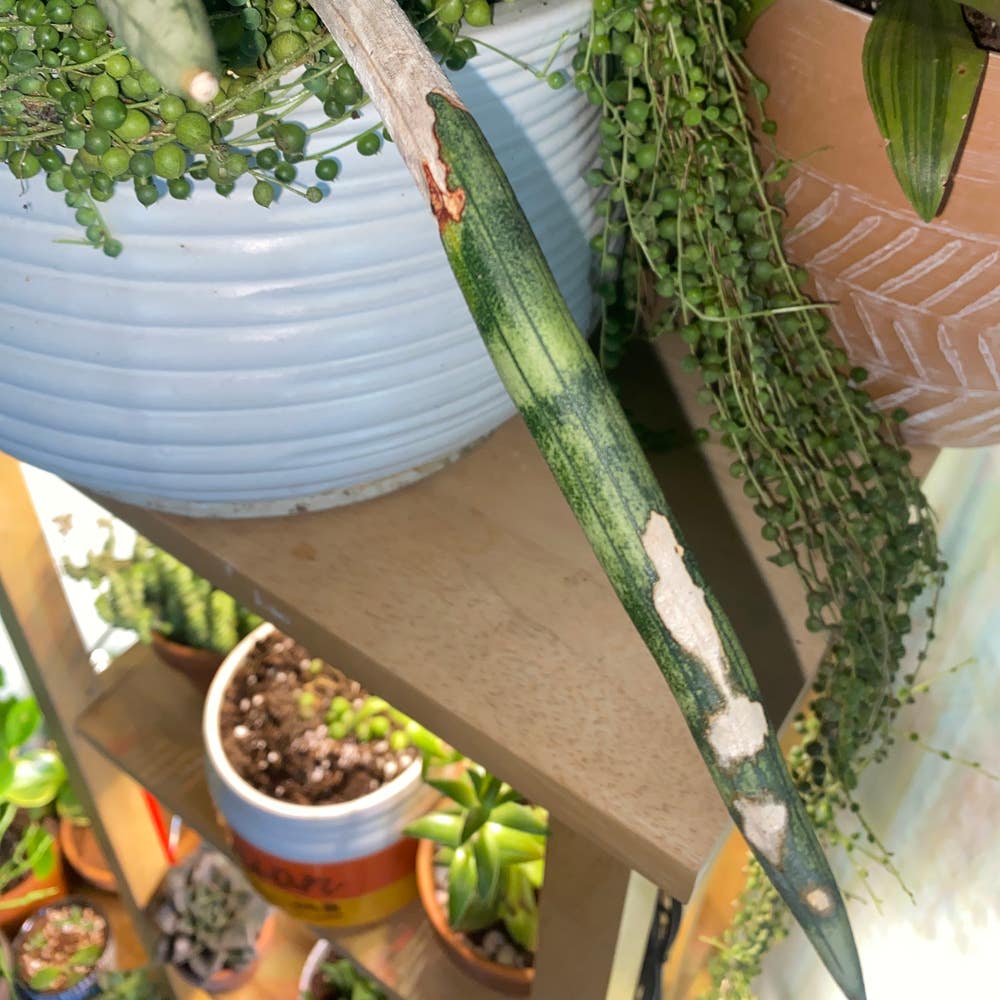
Look for leaves that are dead, damaged, or diseased. These are non-negotiables; they've got to go. If they're brown, wilted, or have unsightly spots, it's time for them to meet your shears.
🌟 Symmetry is Key
Next, eye those out-of-line leaves ruining the plant's star-like vibe. Overgrown or misshapen leaves can throw off the whole look. Trim these back to a point where they fall in line with the rest of the gang.
4️⃣ The 4 D's Approach
Remember the 4 D's: Dead, Damaged, Diseased, and Disproportionate. This mantra will keep you on track. No room for sentimentality here; if a leaf fits the bill, it's got to be snipped.
💡 Light and Air are Your Friends
Don't forget, your plant's a bit of a diva and loves the spotlight. Make sure inner leaves aren't being overshadowed. A little thinning out can let light and air circulate better, making for a healthier plant.
🚫 The No-Stubs Rule
Avoid stubs like you'd avoid spoilers for your favorite show. Cut back to the base or to the next healthy leaf to keep things tidy and prevent issues down the line.
Before the Snip
Lastly, take a step back. Envision the plant's ideal shape. It's like a haircut; know what you want before you start chopping. With a clear vision, you're less likely to overdo it and regret it later.

Selecting the Right Tools
When it comes to pruning your Starfish Snake Plant, precision and sanitation are key.
🌿 The Essentials
Pruning shears are your go-to tool. They're perfect for snipping leaves with a clean, sharp cut.
🧼 Keeping It Clean
Before you start, give those shears a good wipe with rubbing alcohol. This isn't just a nicety; it's a plant-saving necessity.
🔪 Sharpness Matters
A dull blade can crush and damage the plant tissue. Ensure your shears are razor-sharp to avoid such a travesty.
🚫 The No-Nos
Steer clear of heavyweight tools like chainsaws and loppers. They're overkill for your delicate Starfish Snake Plant.
🧹 Aftercare
Post-pruning, clean your tools again. It's like brushing your teeth after a meal for your shears—non-negotiable.
Remember, every snip affects your plant's health. Choose your tools wisely and keep them pristine.

Pruning Techniques
✂️ Step-by-Step Pruning Guide
First, ensure your pruning shears are clean and sharp; this prevents disease and ensures a smooth cut. Start by inspecting your Starfish Snake Plant for any brown or damaged leaves. These are your primary targets for removal.
Second, when you find a leaf to prune, cut it at the base, near the soil line, to maintain the plant's aesthetic. If only part of a leaf is damaged, make a straight cut to remove the affected portion only, avoiding unnecessary stress to the plant.
🌿 Preserving Plant Structure
Avoid over-pruning; never remove more than 20% of the foliage at once. This helps prevent shock and maintains the plant's star-like form. If extensive pruning is needed, do it in stages.
🚫 Avoiding Common Mistakes
Don’t get snip-happy. Overzealous cuts can harm more than help. And remember, no stubs! Cut back to the base to keep things tidy and disease-free.
🌱 Pruning for Health and Symmetry
Finally, step back and assess the plant's overall shape. Trim any outliers to encourage a balanced, star-shaped appearance, which is the hallmark of the Starfish Snake Plant. Keep an eye on symmetry, but don't obsess—perfection is not the goal, health is.
Benefits of Pruning for Plant Health
Pruning isn't just a cosmetic fix for your Starfish Snake Plant; it's a vital health check. By strategically snipping away, you enhance air circulation, which is crucial for preventing the damp, stagnant conditions that pests and diseases love.
🌬️ Air Circulation and Disease Prevention
Good airflow is like a breath of fresh air for your plant's leaves, warding off the likes of rot and fungal infections. It's not about being overzealous with the shears; it's about smart, clean cuts that open up space for your plant to breathe and thrive.
🐜 Pest Control
Pruning is your first line of defense in the battle against pests. Removing dead or dying foliage takes away their hiding spots and breeding grounds, making it easier for you to spot and deal with any unwanted visitors before they become a full-blown infestation.
🧼 Sanitation
Let's talk cleanliness. Fallen leaves and debris are a no-go—they're basically invitations for disease. Keep the base of your Starfish Snake Plant clean to avoid giving fungi a place to party. It's simple: clean plant, happy plant.
🌱 Encouraging Healthy Growth
Pruning isn't just about what you remove; it's also about what you leave behind. Strategic cuts encourage the plant to focus its energy on new, healthy growth. Think of it as redirecting traffic in a bustling city to prevent jams and keep everything flowing smoothly.
Remember, wield those pruners with confidence but also with care. It’s about making strategic cuts that benefit the plant, not about going Edward Scissorhands on it. Pruning isn’t just a haircut for your Starfish Snake Plant; it’s a vital check-up.
Achieving Aesthetic Balance Through Pruning
Maintaining the star-like silhouette of your Starfish Snake Plant requires a keen eye and a strategic approach to pruning. Here's how to keep your plant looking sharp without compromising its unique form.
✂️ Spotting the Trim Targets
Identify leaves that are out of line with the plant's natural geometry. These are your prime candidates for a trim. Look for any that disrupt the symmetry or have seen better days.
🌿 Strategic Snipping
When you cut, do so right at the base for a clean removal. This prevents awkward stubs that can detract from the plant's appearance. Less is more; overzealous pruning can lead to a less-than-stellar recovery.
➡️ Directional Growth
To encourage growth in a particular direction, make your cuts just above a leaf node. This will prompt the plant to branch out where you want it to.
🌱 Stagger for Style
For a fuller look, stagger your cuts. Trim some leaves a bit more, others less so. This variance promotes a lush, balanced growth that complements the plant's architectural form.
🧼 Clean Cuts
Always use sterilized, sharp tools for pruning. Dull or dirty instruments can introduce disease or damage the plant's tough leaves. It's like giving your plant a haircut with a blunt razor—just don't.
🕰️ The Long Game
Remember, the Starfish Snake Plant is a slow grower. Patience is key. Prune sparingly and allow time for the plant to fill out. Your restraint will pay off with a plant that continues to turn heads.
Addressing Pruning Challenges
Pruning your Starfish Snake Plant isn't just about keeping it from turning into a jungle; it's about strategic cuts for health and form. Over-pruning is a common pitfall; it's like giving your plant a buzzcut when all it needed was a trim.
🌿 The Perils of Over-Pruning
Avoid snipping off more than a third of the plant at any one time. It's tempting to go all Edward Scissorhands, but resist. Your plant needs its leaves for photosynthesis and energy.
🕰 Timing is Everything
Don't prune on a whim. The best time to prune is during the plant's active growth phase, typically in the spring or early summer. This allows the plant to recover and thrive.
💧 Post-Prune Care
After pruning, don't drown your plant in water. Overwatering can lead to root rot, especially when the plant is healing. Let the soil dry out before giving it another drink.
♻️ Disposal of Pruned Material
Dispose of the cuttings responsibly. If there's any sign of disease, don't compost; dispose of them in a way that won't spread the issue.
✂️ Prune with Purpose
Every cut should have a reason, whether it's removing a damaged leaf or shaping the plant. Aim for a natural look that complements the plant's star-like form.
Remember, wield those pruners with confidence but also with care. It’s about making strategic cuts that benefit the plant, not about going Edward Scissorhands on it.
⚠️ Safety First
This content is for general information and may contain errors, omissions, or outdated details. It is not medical, veterinary advice, or an endorsement of therapeutic claims.
Always consult a qualified healthcare professional before using any plant as food, medicine, or supplement.
Never eat any plant (or feed one to pets) without confirming its identity with at least two trusted sources.
If you suspect poisoning, call Poison Control (800) 222-1222, the Pet Poison Helpline (800) 213-6680, or your local emergency service immediately.
Spotted an error? Please report it here.
Ensure your Starfish Snake Plant thrives with strategic trims ✂️ during its growth spurt, and rely on Greg for precise pruning reminders to maintain its stellar form!