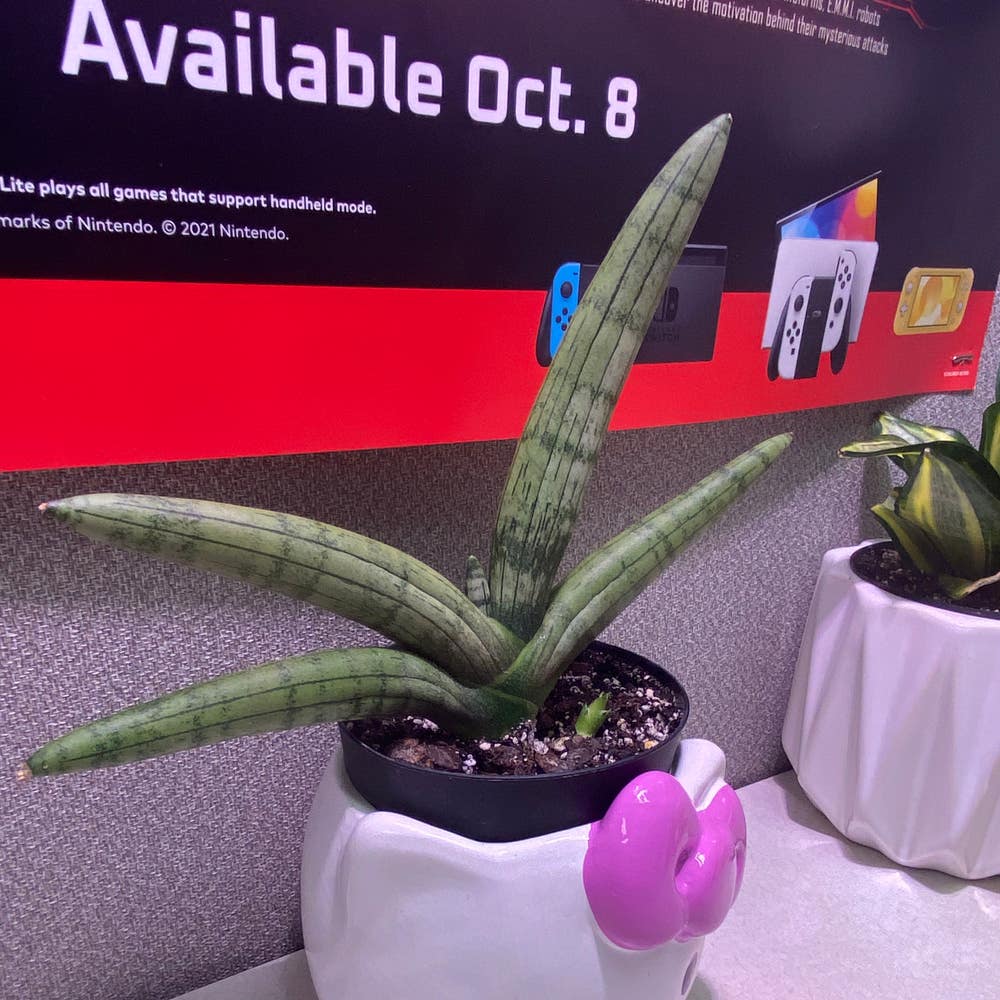
🌟 What Temperature Should My Starfish Snake Plant Be Kept At?
Dracaena angolensis 'Boncel'
By the Greg Editorial Team
Jun 18, 2024•4 min read
This article was created with the help of AI so we can cover more plants for you. May contain errors. See one? Report it here.
Keep your Starfish Snake Plant 🌟 happy by nailing the perfect cozy temp range! 🌡️
- 60°F to 80°F by day, above 55°F at night for Starfish Snake Plant health.
- 🌡️ Consistent temperature prevents stress, like leaf discoloration and curling.
- Insulate and monitor to protect from temperature fluctuations and drafts.
Optimal Temperature Range for Starfish Snake Plant
🌡️ Day and Night Temperature Needs
The Starfish Snake Plant flourishes in temperatures ranging from 60°F to 80°F during the day. At night, a slight dip is beneficial, mimicking its natural habitat, but keep it cozy—above 55°F to avoid damage.
🗝️ Consistency is Key
To maintain this optimal range, thermostats are your best friend. Position your plant in a room where temperatures are stable, away from drafts or heat sources that could cause fluctuations.
Room Placement Tips
Avoid placing your Starfish Snake Plant near windows that are prone to chilly drafts or in direct line with heating vents. An interior room with consistent temperature is ideal, ensuring your plant doesn't throw a fit over erratic living conditions.

Signs and Solutions for Temperature Stress
🌡️ Recognizing Temperature Stress
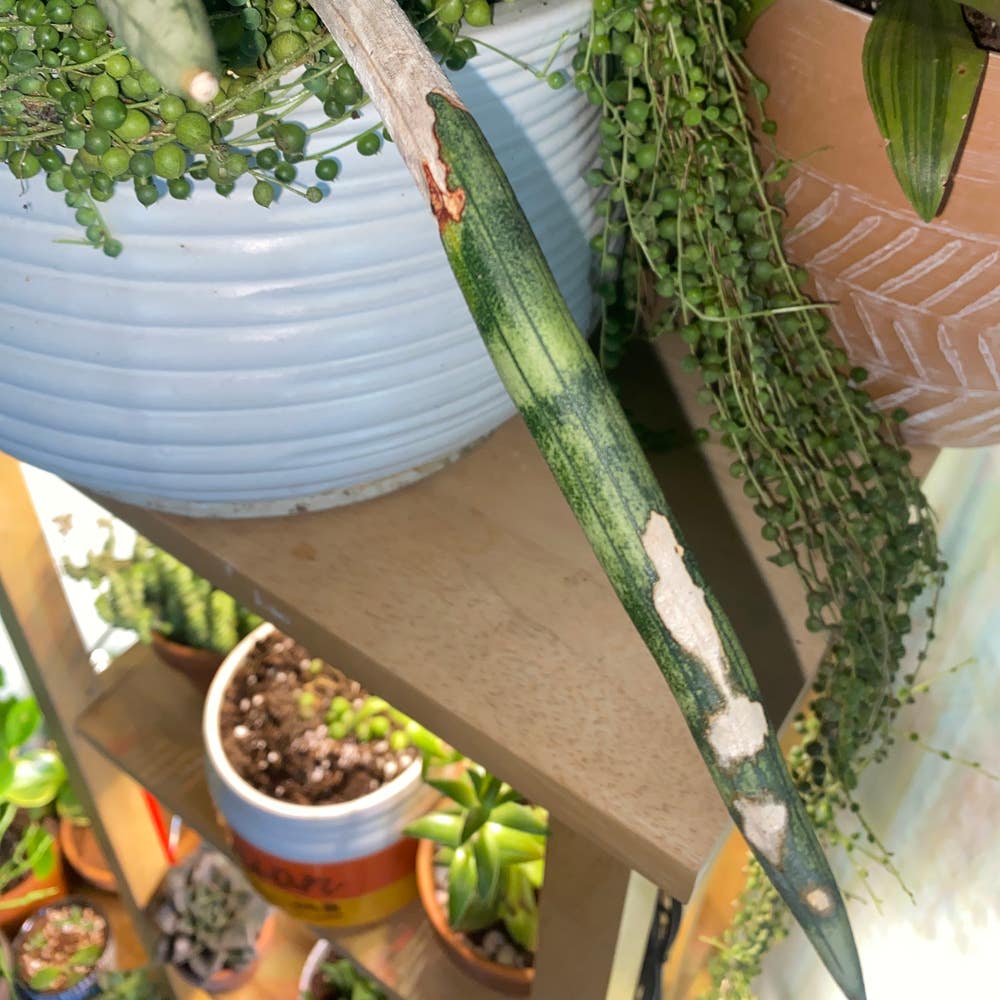
Leaf discoloration is your Starfish Snake Plant's way of waving a white flag. If you see leaves turning a darker shade or sporting water-stain patterns, it's not a new trend—it's a cry for help. Curled leaves? That's the plant's equivalent of sweating bullets, indicating it's too hot to handle. And if you spot split leaves, your plant's basically cracking under the pressure of high heat.
🚨 Taking Immediate Action
When your plant starts to look more like a victim of a bad salon day, it's time to spring into action. Move it away from that drafty window or the spot where the sun beats down like a laser. If it's shivering in the cold, consider a plant sweater—okay, not literally, but maybe a space heater nearby. And if it's too hot, a fan or air conditioner can be your plant's best friend.
❄️ Heat Stress Solutions
Got a plant that's wilting like it just ran a marathon in the desert? Time to give it a break from the heat. Mist the leaves during the hottest part of the day to cool it down, but don't go overboard—no plant likes to be drenched.
🌨 Cold Stress Solutions
When your plant's leaves are dropping like flies in a frost, it's time to warm things up. Insulate the room or use a heat mat for a cozy root zone. Just don't crank up the heat too fast; plants prefer a gentle warm-up, not a tropical vacation.
🌡️ Monitoring and Adjustment
Keep an eye on your green buddy. If you're not sure whether it's too hot or cold, a simple thermometer can be your guide. And remember, consistency is key—avoid the temperature rollercoaster to keep your plant from turning into a botanical drama queen.

Preventing Temperature Fluctuations
🌬️ Avoiding Drafts and Direct Sunlight
Drafts are like uninvited guests to your Starfish Snake Plant's cozy get-together. Keep your plant away from frequently opened windows and doors, and steer clear of the unpredictable gusts from air conditioning vents. Direct sunlight, meanwhile, can be the equivalent of a surprise sauna session, so position your plant in a spot where the light is bright but indirect.
Long-Term Temperature Management
For the long game, think insulation. It's not just for attics and basements; it's also for keeping your plant's environment stable. Proper insulation around windows and doors can minimize the risk of drafts. And remember, the right placement is crucial—like finding the sweet spot on your couch for the best TV viewing, find a spot in your home where temperature swings are less likely.
💼 Tools for Consistency
Invest in a thermostat that doesn't have commitment issues, one that will stay true to the temperature you set. A consistent indoor climate is like a steady relationship for your plant—no dramatic ups and downs. And don't forget to arm yourself with a thermometer or hygrometer; they're like having a weather-savvy friend always on call.
🛡️ Proactive Measures
Stay on the lookout for signs of temperature distress. It's like catching a typo before it embarrasses you in an email—quick action can save your plant from a temperature-induced faux pas. If you sense a chill, think about temporary fixes like bubble wrap or plant cloches, which are like giving your plant a quick hug to ward off the cold.

⚠️ Safety First
This content is for general information and may contain errors, omissions, or outdated details. It is not medical, veterinary advice, or an endorsement of therapeutic claims.
Always consult a qualified healthcare professional before using any plant as food, medicine, or supplement.
Never eat any plant (or feed one to pets) without confirming its identity with at least two trusted sources.
If you suspect poisoning, call Poison Control (800) 222-1222, the Pet Poison Helpline (800) 213-6680, or your local emergency service immediately.
Spotted an error? Please report it here.
Ensure your Starfish Snake Plant is always in its happy zone of 60°F to 80°F 🌡 with Greg's custom reminders to prevent temperature stress and keep your plant buddy in peak condition!