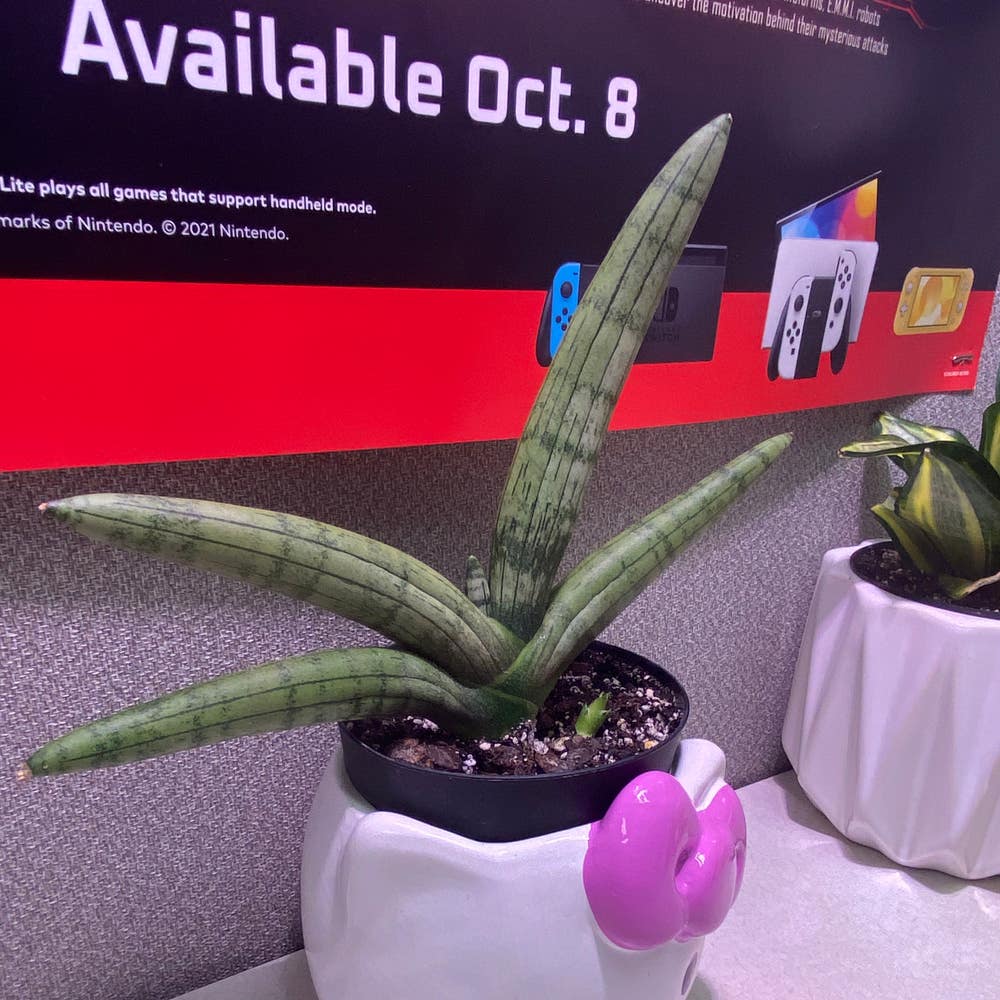
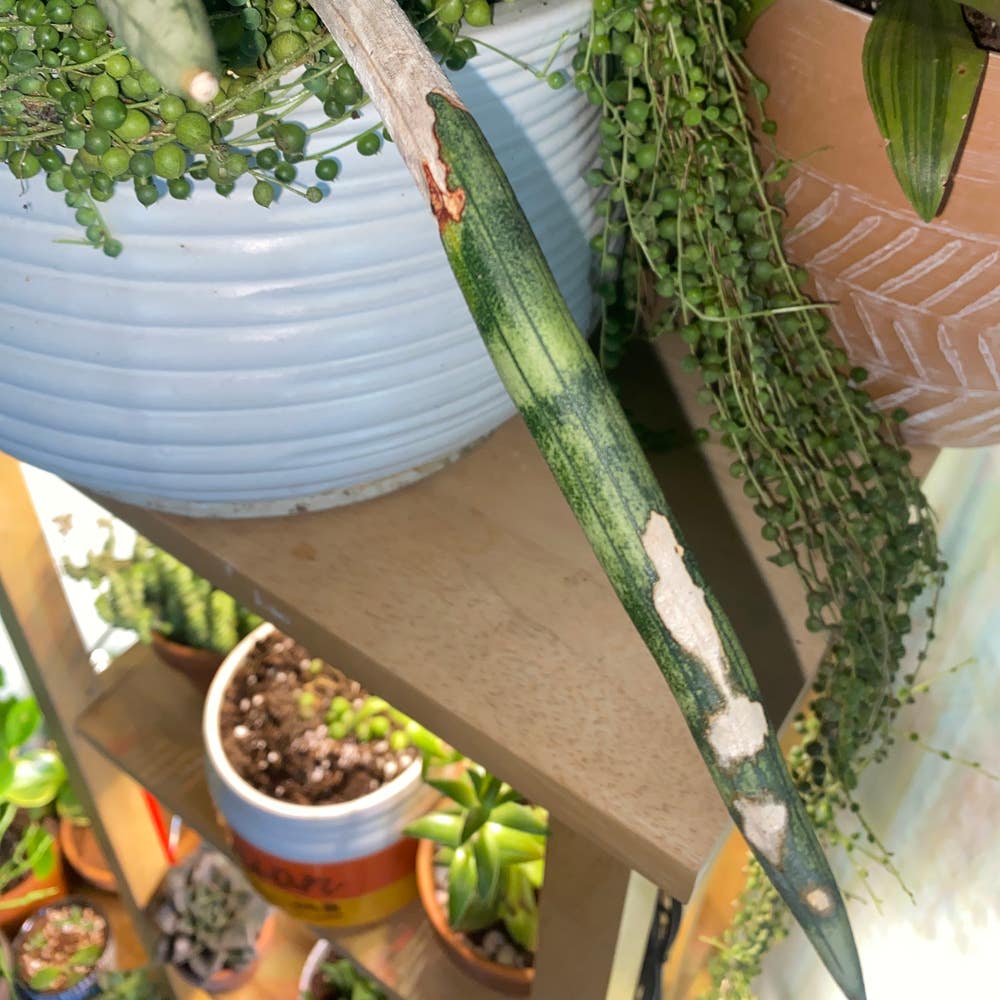
🌟 Why Are My Starfish Snake Plant Leaves Droopy?
Dracaena angolensis 'Boncel'
By the Greg Editorial Team
Jun 18, 2024•4 min read
This article was created with the help of AI so we can cover more plants for you. May contain errors. See one? Report it here.
Perk up your droopy Starfish Snake Plant 🌟 with these fail-safe care secrets!
- Over/underwatering and poor drainage cause droopy leaves; adjust watering and pots.
- Optimize light, temperature, humidity to prevent droopiness and promote health.
- Preventative care: Rotate, avoid drafts, and prune for upright, healthy leaves.
Common Causes of Droopy Leaves
💦 Overwatering and Underwatering
Overwatering is like giving your plant a never-ending bath; it's just too much of a good thing. The roots can't breathe, leading to a soggy, oxygen-starved environment. Look for yellowing leaves or a pot heavier than your last cheat meal – these are your SOS signals. On the flip side, underwatering turns your plant into a dry, crispy critter. If the soil is as dry as a stand-up comedian's wit, it's time to hydrate.
🚰 Poor Drainage and Environmental Stress
Poor drainage is the silent plant killer. It's like wearing wet socks all day – uncomfortable and a breeding ground for problems. If your plant's feet are always wet, expect droopy leaves as a cry for help. Environmental stress is another culprit. Too much light or heat can make your plant wilt like a teenager asked to do chores. Keep an eye out for subtle signs like a slight change in leaf color or a decrease in growth rate – these are your plant's way of whispering for help before it starts yelling.

Remedies for Droopy Leaves
💧 Corrective Watering Practices
Dry soil is your cue to water; if it's not, hold off. Room-temperature water is your plant's best friend—no shocking the roots today. And those drainage holes? Non-negotiable. They're the escape route for any overzealous watering.
🌱 Soil and Pot Management
Well-draining soil is like a good mattress—supportive but not suffocating. Choose a pot that's more socialite than hermit—free-flowing with plenty of drainage holes. When repotting, think of it as a plant spa day—a chance to refresh and rejuvenate in a new, airy mix.

Environmental Optimization
💡 Light: The Balancing Act
Bright, indirect light is the sweet spot for your Starfish Snake Plant. Direct sunlight is like a bad tan—too much and you'll have a case of the crispy leaves. Rotate your plant occasionally for even exposure, avoiding the one-sided growth that comes from playing favorites with the sun.
🌡️ Temperature: The Comfort Zone
Keep your plant in a 65°F to 80°F range. Sudden temperature changes are about as welcome as a snowstorm in July. Think of it as setting a thermostat for a room full of Goldilocks—just right.
💧 Humidity: The Invisible Embrace
Aim for a humidity level of 40-50%. Too dry and your plant's leaves might start to look like they've been on a desert trek. Too moist, and you're in a fungi fiesta. If you're misting, do it like you're seasoning food—sparingly.
💨 Air Flow: The Gentle Breeze
Good ventilation is key, but drafts are the enemy. It's a delicate dance, like finding the perfect volume for music—loud enough to enjoy but not so loud it annoys the neighbors.
Practical Tips for a Thriving Plant
- Rotate your plant for uniform light.
- Avoid placing your plant near heating or cooling vents to maintain a stable temperature.
- Use a pebble tray or humidifier to manage humidity, but don't overdo it—think of it as a plant spa, not a water park.
- Prune regularly to keep your plant in shape and encourage new growth. It's like a haircut for your plant—refreshing and necessary.

Preventative Measures
Maintaining a Starfish Snake Plant with perky leaves requires a proactive approach. Here's how to keep those leaves standing tall.
🌧️ Seasonal Care Adjustments
Adjust watering with the seasons—less in winter, more in summer. Your plant's thirst varies throughout the year.
🔄 Regular Plant Rotation
Rotate your plant periodically for even light exposure. This prevents lopsided growth and promotes uniform leaf development.
👀 Visual Health Checks
Stay vigilant. Look for signs like spots or blights, which could indicate pests or disease. Early detection allows for timely intervention.
✂️ Pruning for Posture
Prune strategically to encourage new growth. Think of it as redirecting your plant's energy to its prime real estate—the healthy leaves.
🐜 Pest Management
Keep an eye out for pests. Spot them early, and you can often avoid a full-blown infestation with simple treatments like neem oil.
🌱 Soil and Fertilizer Vigilance
Ensure your soil is well-draining and nutrient-rich. A balanced fertilizer can prevent nutrient deficiencies that lead to droopiness.
🌡️ Environmental Consistency
Stable temperatures and indirect light are key. Avoid drastic changes to prevent stress, which can manifest as droopy leaves.
⛓️ Support Structures
For those top-heavy plants, consider a stake or tie. It's like giving your plant a helping hand to stay upright.
📈 Monitoring and Adjustments
Monitor your plant and be ready to adjust care practices. Like a DJ reading the room, switch up your routine when your plant signals it's not quite right.
By following these steps, you're not just caring for your plant; you're setting the stage for a thriving, droop-free display.
⚠️ Safety First
This content is for general information and may contain errors, omissions, or outdated details. It is not medical, veterinary advice, or an endorsement of therapeutic claims.
Always consult a qualified healthcare professional before using any plant as food, medicine, or supplement.
Never eat any plant (or feed one to pets) without confirming its identity with at least two trusted sources.
If you suspect poisoning, call Poison Control (800) 222-1222, the Pet Poison Helpline (800) 213-6680, or your local emergency service immediately.
Spotted an error? Please report it here.
Revive your starfish snake plant from droopy to dynamic 🌟 with Greg's tailored care reminders for watering, light, and temperature, ensuring it stays healthy and upright!