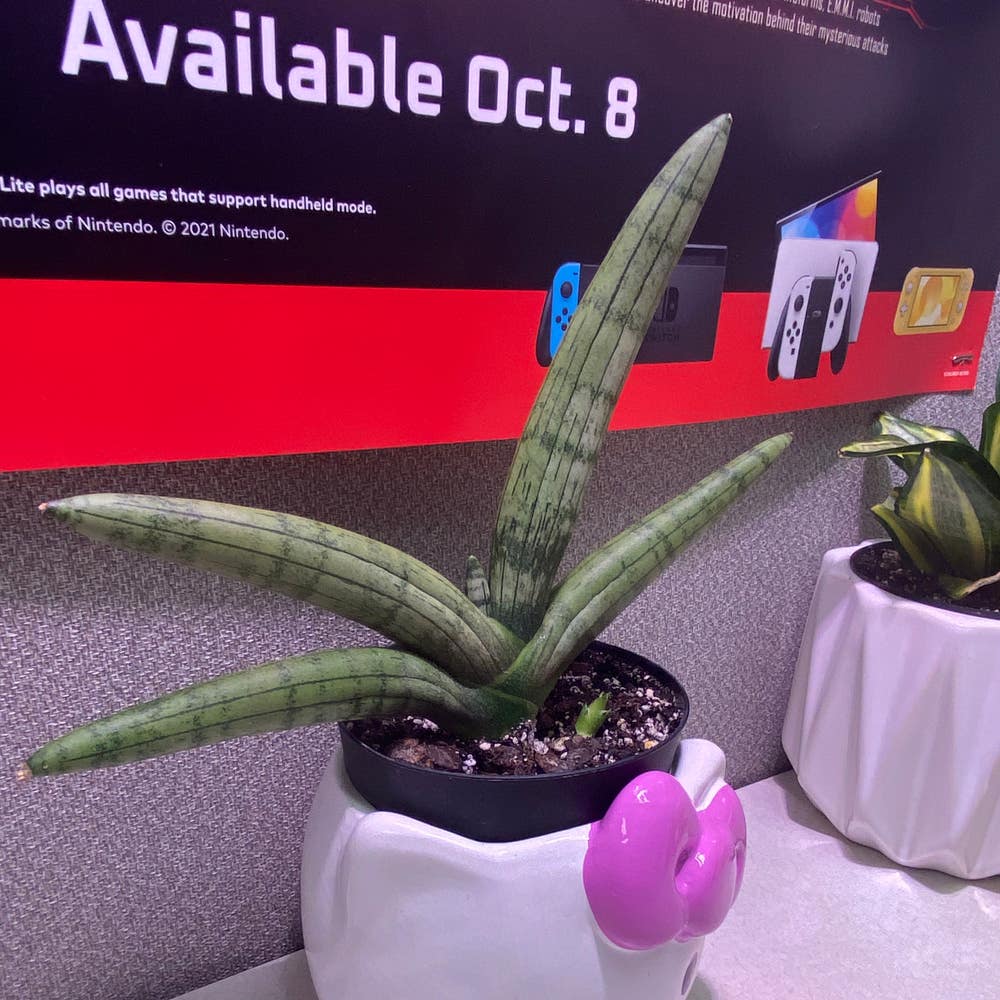
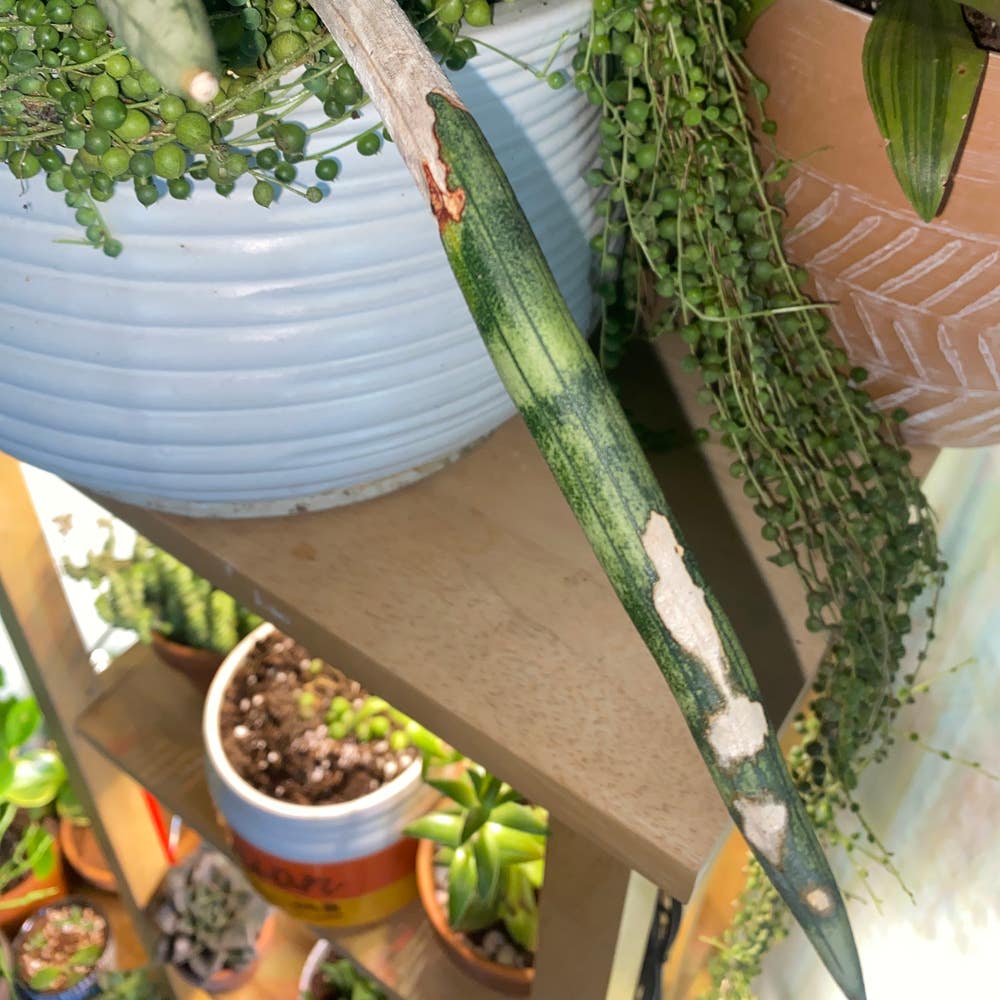
🌟 Why Are My Starfish Snake Plant Leaves Mushy?
Dracaena angolensis 'Boncel'
By the Greg Editorial Team
Jun 18, 2024•4 min read
This article was created with the help of AI so we can cover more plants for you. May contain errors. See one? Report it here.
Prevent mushy leaves and save your Starfish Snake Plant with our expert watering tips! 🌱💧
- Overwatering often leads to mushy leaves; let top soil dry first.
- Remove and dispose of mushy leaves to prevent disease spread.
- Well-draining soil and pots are crucial for healthy Starfish Snake Plants.
Identifying Mushy Leaves in Starfish Snake Plants
When your Starfish Snake Plant starts to feel like last week's salad, it's time to take action. Mushy leaves are a red flag, signaling that your plant's health is on the rocks. Here's how to spot the trouble:
🚨 Visual Symptoms
Look out for discoloration. Yellow or brown hues that don't belong? That's your cue. Leaves that sport a splotchy look with a dark edge are basically screaming, "Help me!"
🖐️ Texture Changes
Get tactile. If the leaves have the consistency of overcooked noodles, you've got a problem. A healthy Starfish Snake Plant should have leaves that snap back, not squish, under pressure.
👾 The Culprits
Keep an eye out for unwanted guests. Aphids and spider mites are notorious for turning robust leaves into mushy messes. Sticky residue or fine webs? Time to play plant detective.
🌡️ Environmental Stress
Sudden temperature changes are like jump scares for your plant. They can cause leaves to go soft and mushy faster than you can say "root rot." And speaking of root rot, if the base of the leaves feels like a swamp, you're likely already in the thick of it.
💡 Pro Tip
Don't just stand there—feel the soil. If it's damp, hold off on the watering can. Overwatering is often the mastermind behind the mush.

Immediate Steps to Treat Mushy Leaves
When your Starfish Snake Plant's leaves go from firm to mushy, it's a red flag. First, check the soil. If it's wetter than a rainforest floor, it's time to ease up on the watering.
💧 Adjust Watering Habits
Hold off on the H2O until the top inch of soil feels as dry as a desert. Overwatering is like giving your plant a life jacket made of lead—it's not going to float.
✂️ Remove Affected Leaves
Next, play surgeon. Snip off the soggy leaves with clean, sharp scissors. This isn't a time for sentimentality—remove them before they turn into a mushy mess that spreads.
🚫 Preventing Spread
After the amputation, don't just toss the mushy casualties in the compost. Bag them up and bin them to prevent any disease from throwing a party in your plant pot.
🧼 Cleaning Up
Clean your tools and hands after dealing with the mushy leaves. You wouldn't want any unseen nasties hitching a ride to your other green buddies.
Remember, these steps aren't just suggestions—they're the difference between a thriving plant and a compost heap candidate.

Long-Term Prevention Strategies
💧 Best Practices for Watering
Watering your Starfish Snake Plant should be more like a ritual than a routine. Check if the top inch of soil is dry—then it's time to water. Less is more; think of water as a precious elixir rather than a daily dose.
🌱 Soil and Pot Selection
Well-draining soil is non-negotiable. Mix in some perlite or coarse sand to keep it airy. Your pot should have drainage holes—if it doesn't, you're basically asking for trouble.
🕵️ Monitoring and Adjusting Care
Be the plant's personal detective. Use a moisture meter or the trusty finger test to gauge soil moisture. Adapt your care with the seasons; your plant's thirst in summer is not the same as in winter.
🚰 Drainage Enhancement
Consider a layer of pebbles at the bottom of the pot. It's like a mini drainage system, keeping the roots from getting waterlogged.
💨 Air Circulation and Humidity Control
Good air circulation is key. If you're living in a humidity haven, get a dehumidifier. Your plant will thank you by not turning into a mushy mess.
🌦️ Seasonal Adjustments
Remember, your plant care should change with the seasons. In cooler months, a top layer of gravel can help control moisture. When it's hot, your watering schedule might need to ramp up.
🏺 Pot Maintenance
If you're repotting, always use a clean pot to avoid transferring any diseases. And if you're ever in doubt, remember: it's better to underwater than to overwater.

⚠️ Safety First
This content is for general information and may contain errors, omissions, or outdated details. It is not medical, veterinary advice, or an endorsement of therapeutic claims.
Always consult a qualified healthcare professional before using any plant as food, medicine, or supplement.
Never eat any plant (or feed one to pets) without confirming its identity with at least two trusted sources.
If you suspect poisoning, call Poison Control (800) 222-1222, the Pet Poison Helpline (800) 213-6680, or your local emergency service immediately.
Spotted an error? Please report it here.
Avoid the mush and achieve a thriving 🌱 Starfish Snake Plant by letting Greg remind you when it's the perfect time to water.