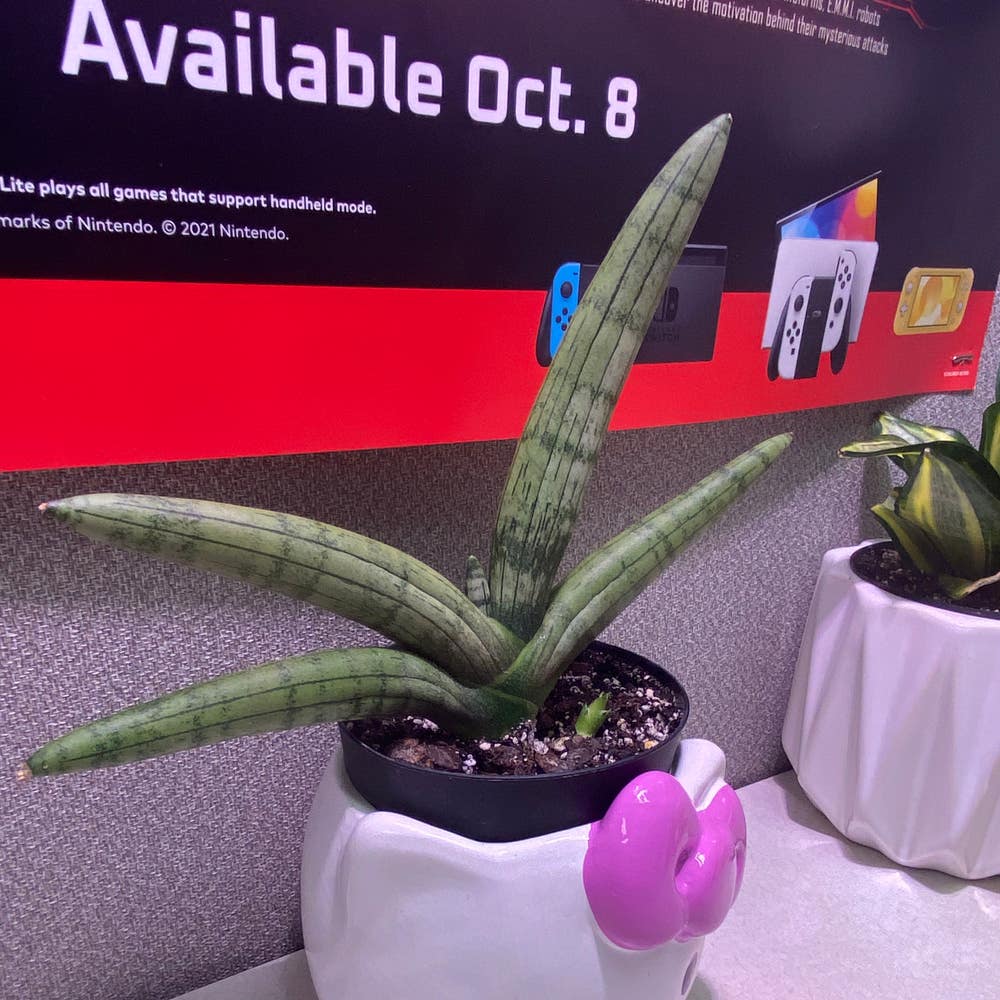
🌟 Why Are My Starfish Snake Plant Leaves Falling Over?
Dracaena angolensis 'Boncel'
By the Greg Editorial Team
Jun 18, 2024•8 min read
This article was created with the help of AI so we can cover more plants for you. May contain errors. See one? Report it here.
Revive your droopy Starfish Snake Plant and restore its striking form with these essential tips! 🌟🍃
- Slouching leaves signal potential issues with your Starfish Snake Plant.
- Soil and watering practices are key to preventing leaf droop.
- Combat pests and diseases to maintain healthy, upright leaves.
Identifying the Signs of Leaf Droop in Starfish Snake Plants
🚩 Key Visual Indicators
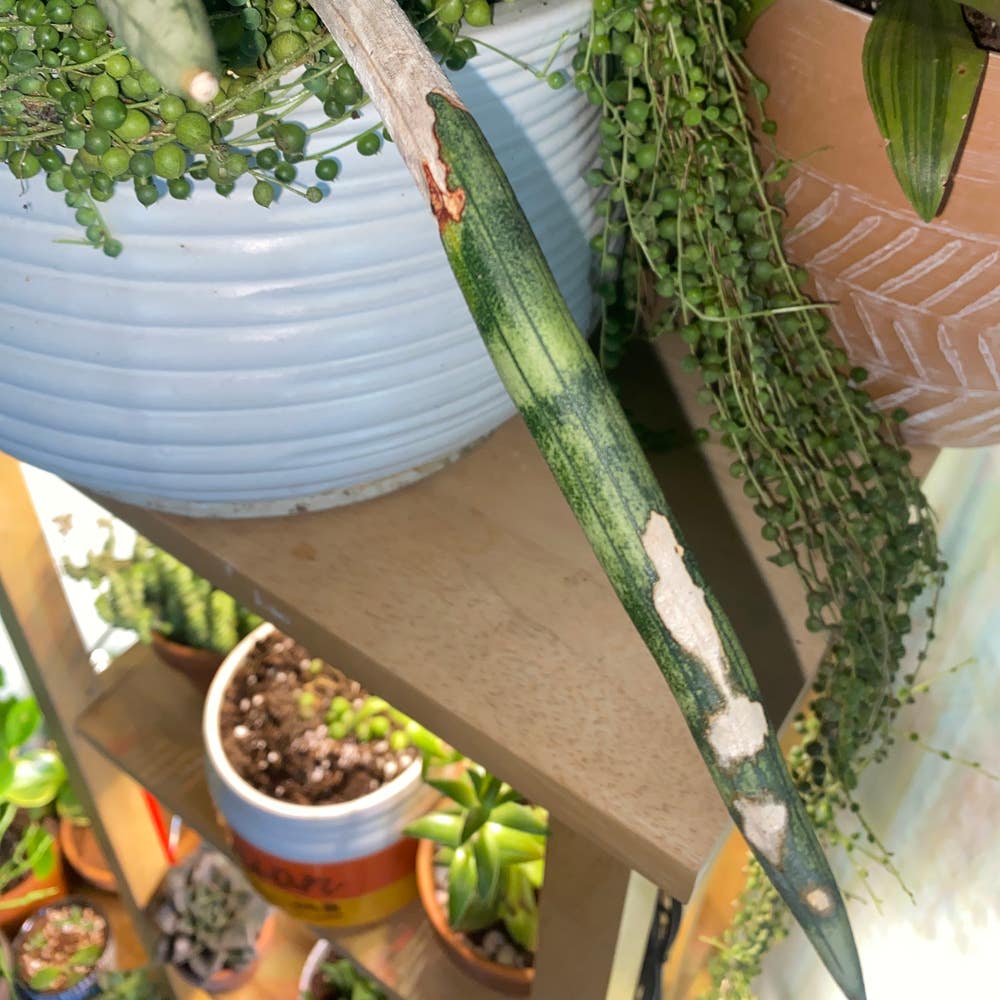
Upright and splayed leaves are the Starfish Snake Plant's claim to fame, but when they start slouching, it's a red flag. Look for leaves that once pointed to the heavens but now resemble weary travelers at day's end. Yellowing, transparency, or a texture that gives in to a gentle poke are tell-tale signs of trouble. If your plant's leaves are staging a flop, it's time to take note.
🎭 The Stages of Leaf Droop
The droop saga begins with a subtle lean, barely noticeable. As the plot thickens, leaves may turn a darker shade, signaling distress. In the final act, leaves that once stood proud may lie prostrate, a clear indication that your plant's health is in jeopardy. Wilting or buckling stems join the chorus, underscoring the urgent need for a care routine overhaul.

Addressing Soil-Related Instability in Leaves
Soil is the bedrock of your Starfish Snake Plant's health. Let's dive into fixing soil woes that make your plant's leaves flop.
🌱 Improper Soil Conditions: A Recipe for Weak Leaves
Compacted soil is a no-go; it's like putting your plant in a straitjacket. The roots can't move, and the leaves pay the price. On the flip side, excessively sandy soil lets water and nutrients slip away too quickly. It's like your plant is trying to hold onto water with a sieve.
🌿 Soil Amendments: The Leaf Rigidity Lifeline
Mix in perlite or peat moss to improve drainage and aeration. Think of it as giving your plant's roots a roomier apartment with better airflow. If you're dealing with dense soil, it's time to fluff it up. Your plant's roots need their personal space, too.
💧 Watering Practices: Hitting the Moisture Sweet Spot
Your watering game needs to be on point. Underwatering leaves your plant thirstier than a tourist in the desert, while overwatering invites root rot to the party, and nobody wants that. Aim for soil that's moist but not soggy, and let it dry out slightly between waterings. It's about finding that Goldilocks zone for moisture.
🍂 Seasonal Soil Adjustments: Stay Alert and Adapt
As seasons change, so should your soil mix. More water retention might be needed in the scorching summers, less in the cooler winters. It's like updating your wardrobe for the weather—your plant appreciates seasonal adjustments too.
🌱 Root Zone Check-ups: A Stitch in Time
Regularly examine the root zone for signs of distress. If you spot compacted soil or poor drainage, act fast. Amend with organic matter like compost to enrich the soil. It's the equivalent of a spa treatment for your plant's roots.

Optimizing Light and Temperature for Leaf Support
💡 The Role of Light and Temperature
Light and temperature are like the twin pillars supporting your Starfish Snake Plant's leaf turgidity. Get it right, and you'll see your plant standing tall and proud. Too much light, and your plant's leaves might start to resemble a sunburnt tourist. Not enough, and they'll droop like they've just given up on life. Aim for a Goldilocks zone of bright, indirect light.
🌞 Adjusting Environmental Conditions
When it comes to temperature, think of your plant as having a preference for a mild spring day, every day. Daytime temperatures should hover between 70-80°F, while at night, a cooler 60-68°F is ideal. This slight drop in temperature at night helps the plant recover from moisture loss and keeps it from getting stressed.
🏡 Keeping It Consistent
Avoid the drama of temperature swings. If you wouldn't want to sleep next to an open window in winter, neither does your plant. Keep the environment stable to prevent your plant from throwing a leafy fit.
🌈 Light Requirements by Season
As the seasons change, so should your plant's position. The intensity of light varies throughout the year, and so adjusting your plant's location is like updating your wardrobe for the season - necessary and sensible.
Quick Tips for Light and Temperature Control
- Rotate your plant regularly to ensure even light exposure.
- Use curtains or blinds to diffuse direct sunlight and prevent leaf burn.
- Consider a thermometer to keep track of the room temperature.
- Remember, sudden changes are a no-no; introduce new conditions with the subtlety of a cat burglar.

The Role of Fertilization in Preventing Leaf Droop
Balanced nutrition is crucial for the Starfish Snake Plant to keep its leaves proudly upright. Nitrogen (N), phosphorus (P), and potassium (K) are the big players in this game. Nitrogen is the leafy green's best friend, while phosphorus and potassium are the supporting characters that help with overall plant health and water movement.
💪 Nutrient Balance and Leaf Strength
A monthly fertilization routine during the growing season can be the difference between a Starfish Snake Plant with droopy leaves and one that stands tall. But it's a fine line – too much love in the form of fertilizer can lead to nutrient overload, causing as much harm as neglect.
📅 Fertilization Schedules and Types
Opt for a water-soluble fertilizer with a balanced NPK ratio, something like a 5-5-5, to keep things simple. During the active growth season, feeding your plant every month should suffice. When the plant's growth slows down in the fall and winter, it's time to give the fertilizer a rest.
🌿 Micronutrients: The Unsung Heroes
While NPK gets all the glory, micronutrients like calcium, iron, copper, and zinc are the secret agents of leaf strength. They're often included in complete fertilizers, but it's worth checking the label to ensure your plant is getting a full spectrum of nutrients.
⚠️ Over-Fertilization: A Cautionary Tale
Yellowing leaves or a crust of fertilizer on the soil surface could be a cry for help from an over-fertilized plant. If you've been heavy-handed with the feed, flush the soil with water to clear out the excess salts. Remember, it's not about dumping food on your plant; it's about the right amount at the right time.
Combatting Pests and Diseases That Cause Leaves to Fall Over
🐛 Identifying Pests and Diseases
Regular inspections are your first line of defense against the pests and diseases that can cause your Starfish Snake Plant's leaves to droop. Look for sticky residue, discoloration, or any signs that the plant is not its usual perky self. Spider mites, aphids, and fungal infections are the usual suspects. Catching these early can save your plant's posture.
🚫 Treating the Troublemakers
Once you've spotted the culprits, it's time to take action. Neem oil and insecticidal soaps are your go-to for evicting pests. They're like the bouncers at the door of a club, keeping the riff-raff out. For fungal foes, consider a targeted fungicide, but remember to use it judiciously to avoid collateral damage to beneficial organisms.
🛡️ Preventative Measures
Prevention beats cure every time. Remove fallen leaves to prevent disease spread and keep the soil surface clean. A healthy plant is less inviting to pests, so ensure it gets the right amount of light, water, and nutrients. Prune out any damaged leaves to keep the plant's energy focused on staying strong and upright.
🌿 Long-Term Health Strategies
Think of your plant care routine as a fitness regimen for your Starfish Snake Plant. A balanced fertilizer acts like a vitamin supplement, strengthening the leaves. Apply according to package instructions—overdoing it is just as bad as underdoing it. And remember, a plant that's well-fed is better equipped to stand tall against pests and diseases.
Proactive Measures and Quick Fixes for Falling Leaves
When you spot your Starfish Snake Plant's leaves taking a nosedive, act fast. Here's the game plan:
🚨 Immediate Actions
- Check the Soil: Is it soggy? Time to dial back on the H2O.
- Inspect for Pests: See any critters? Show them the exit with a neem oil eviction notice.
- Evaluate Light: Too much sun can lead to a leafy swoon. Adjust the plant's position for that sweet spot of bright, indirect light.
- Support System: If the leaves are long and heavy, consider a discreet stake to prop them up temporarily.
🌱 Long-Term Strategies
- Water Wisely: Only when the top inch of soil is dry. Overwatering is a no-go.
- Soil Mix Mastery: Combine one part potting mix, one part coarse sand, and one part perlite for drainage nirvana.
- Nutrient Balance: Fertilize sparingly. A half-strength all-purpose feed during the growing season should do the trick.
- Temperature Control: Keep it cozy, between 70°F and 90°F. No plant likes a cold shoulder.
- Routine Checks: Make plant inspection a habit. Think of it as a wellness check for your green buddy.
Remember, the Starfish Snake Plant is a tough cookie, but it still needs a little TLC to stand tall and proud.
⚠️ Safety First
This content is for general information and may contain errors, omissions, or outdated details. It is not medical, veterinary advice, or an endorsement of therapeutic claims.
Always consult a qualified healthcare professional before using any plant as food, medicine, or supplement.
Never eat any plant (or feed one to pets) without confirming its identity with at least two trusted sources.
If you suspect poisoning, call Poison Control (800) 222-1222, the Pet Poison Helpline (800) 213-6680, or your local emergency service immediately.
Spotted an error? Please report it here.
Revitalize your Starfish Snake Plant by tackling leaf droop with Greg's 🌟 custom care reminders, ensuring your plant's leaves stand tall and proud.